(2,723)
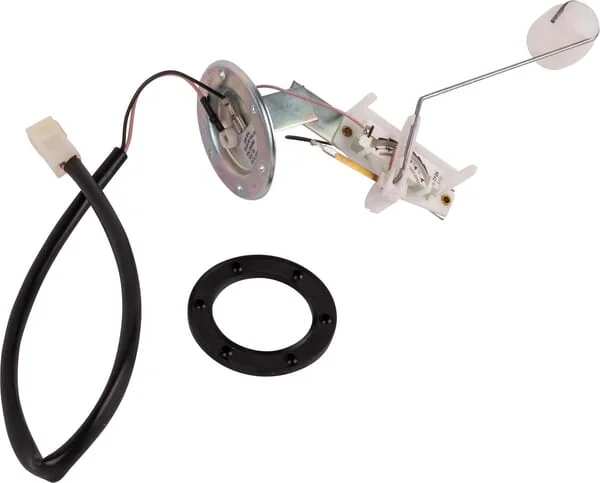
Disconnect the sender and measure resistance between its signal terminal and its earth or body. Move the float slowly from empty to full: the reading should change smoothly between the two end values of its range, for example about 10 ohms to 180 ohms on a European-pattern unit. An open circuit, or a reading that jumps or drops out part-way, means the track or reed chain is worn and the sender should be replaced.
It depends on the gauge it was designed for. The most common ranges are about 10 ohms empty to 180 ohms full on European-pattern gauges, 240 ohms empty to 33 ohms full on American-pattern gauges, and 0 to 90 ohms on some older equipment. The sender and the gauge must use the same range, otherwise the reading is reversed or squeezed into part of the scale.
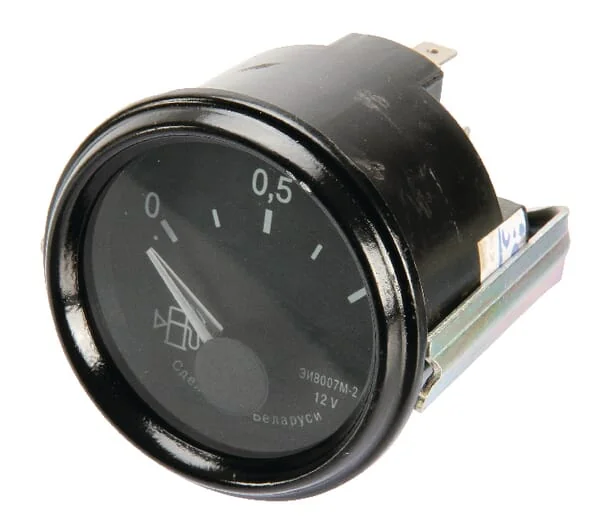
A gauge pinned at one end usually points to an open circuit or a short to earth in the sender or its wiring rather than a faulty gauge. On systems where resistance rises with fuel level, a broken wire or bad sender earth typically reads full and a wire shorted to chassis reads empty; on systems where resistance falls with level it is the other way round. Checking the sender resistance at the tank separates a sender fault from a wiring fault.

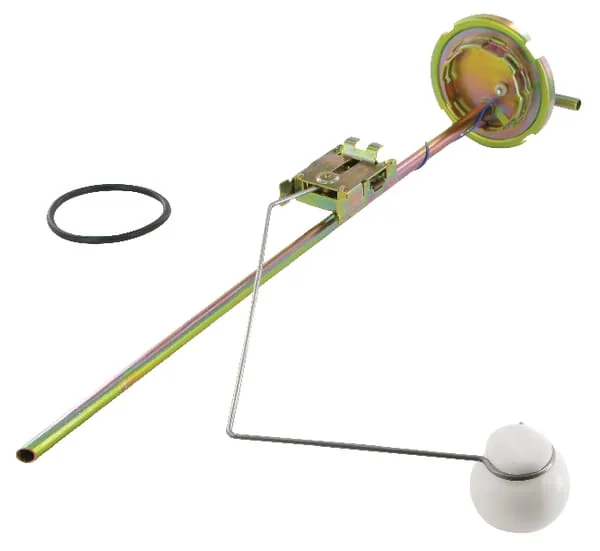
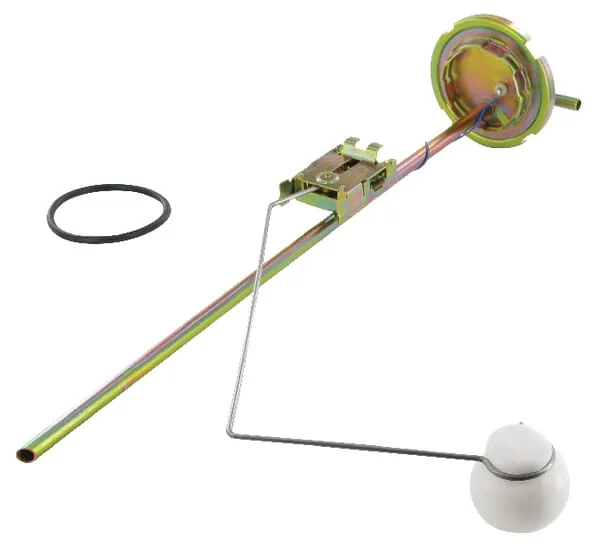
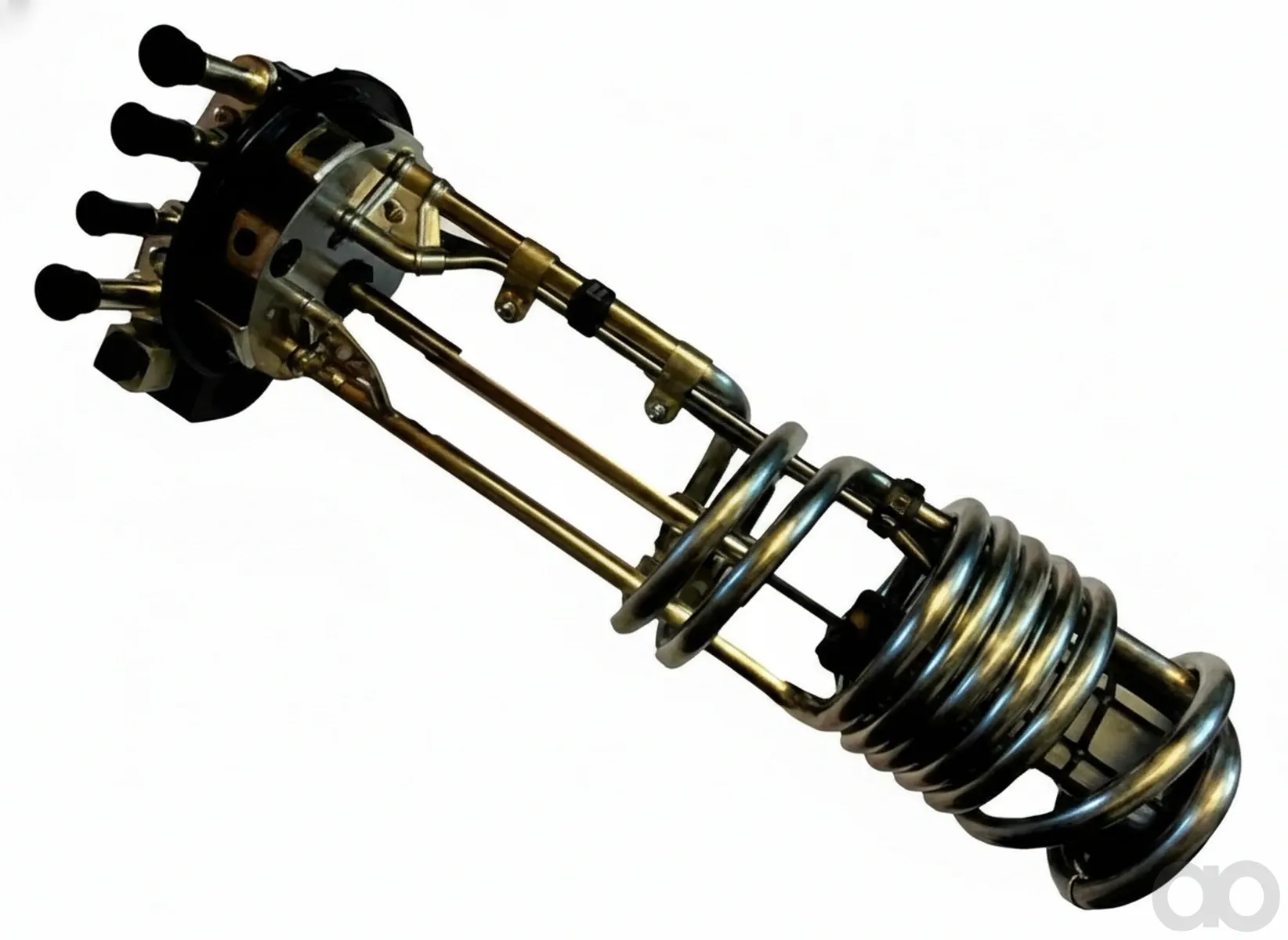
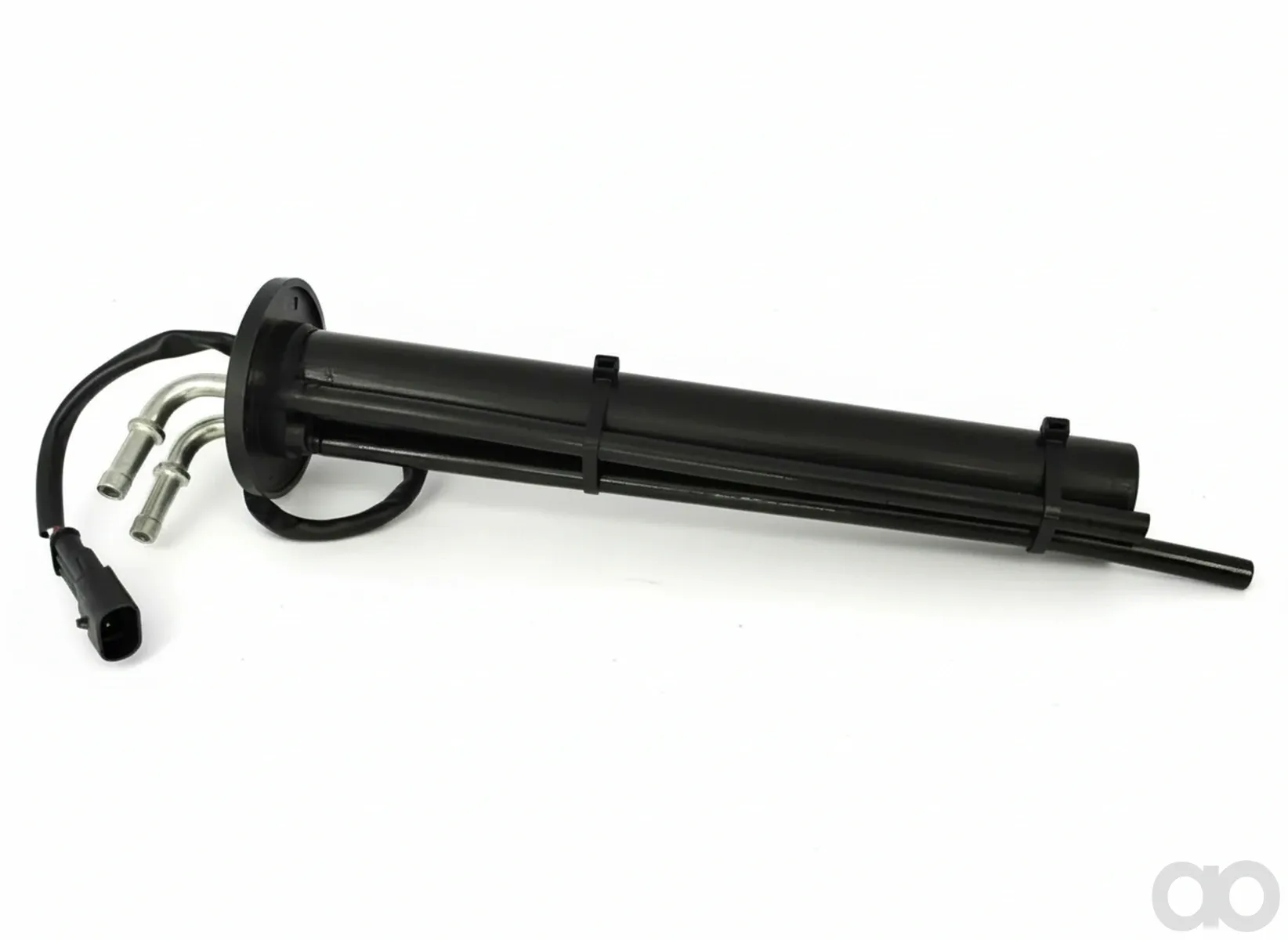
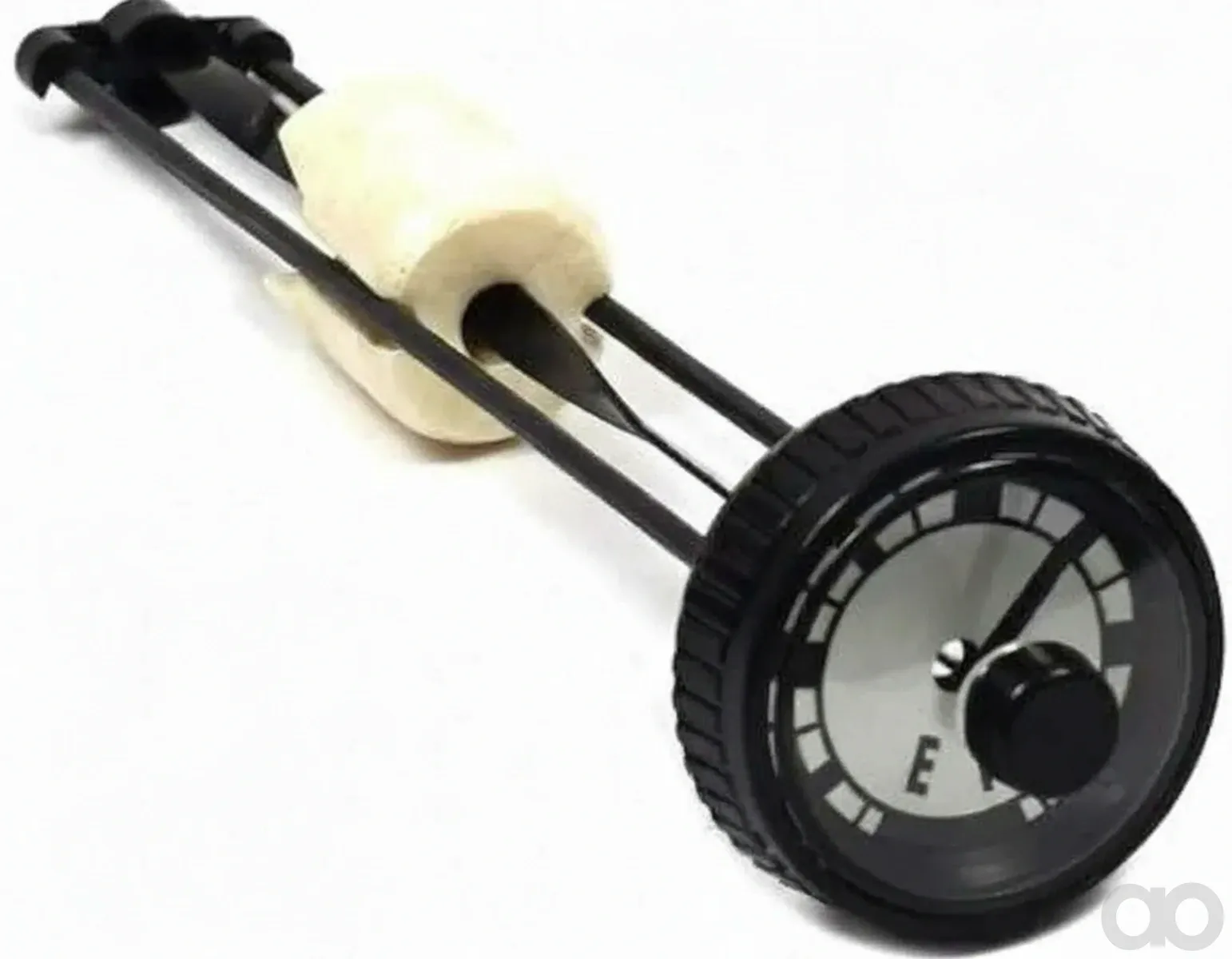
AGCO - 3582876M1 - Fuel Level Sensor Massey Ferguson
AGCO
€394.16
Showing 1–48 of 2,723 parts
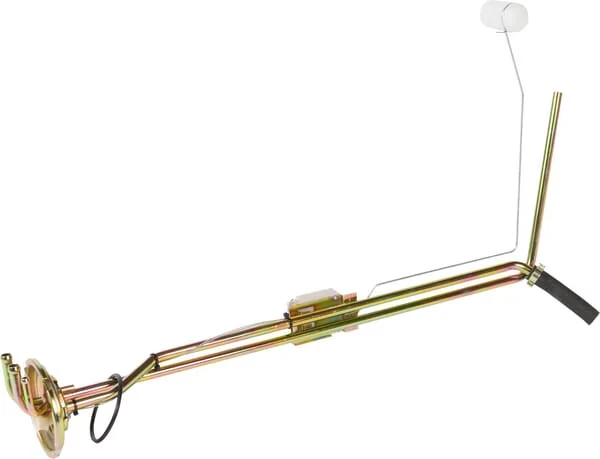
Measure the tank depth from the mounting face straight down to the tank floor and choose a sender about 10 to 25 mm shorter. That clearance keeps the stem off the floor if the tank flexes and leaves a small reserve below the empty mark. A sender that is much too short will show empty while usable fuel remains.
Fuel moving in the tank lifts and drops the float, and on rough ground the gauge follows it. Tubular senders and damped gauges reduce the effect. If the needle flicks sharply or drops to one end and recovers, the cause is more likely a worn resistive track or a poor earth connection than slosh.
No. Diesel exhaust fluid attacks many of the metals and seal materials used in fuel senders, and DEF tanks use dedicated units that usually combine level, temperature and fluid quality measurement and report to the engine control unit. A diesel sender fitted to a DEF tank will corrode and will not give the signal the system expects.
On universal float arm senders, yes: the arm is cut or set to length so the float reaches the tank floor at empty and the top at full, following the dimensions supplied with the unit. Senders made for one specific tank are pre-set and should not be bent, because changing the arm geometry shifts the whole gauge reading.