(2,164)
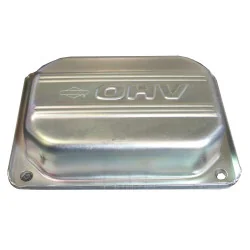
On pushrod diesel engines the cold valve clearance is typically 0.20 to 0.40 mm for inlet valves and 0.30 to 0.50 mm for exhaust valves, the exhaust figure being larger because that valve runs hotter and expands more. Small overhead-valve petrol engines run tighter, commonly 0.10 to 0.20 mm. The setting for a particular engine is given in its manual and is often printed on the engine type plate or rocker cover. Clearance is set with the piston at top dead centre on the compression stroke, so that both valves are fully closed.
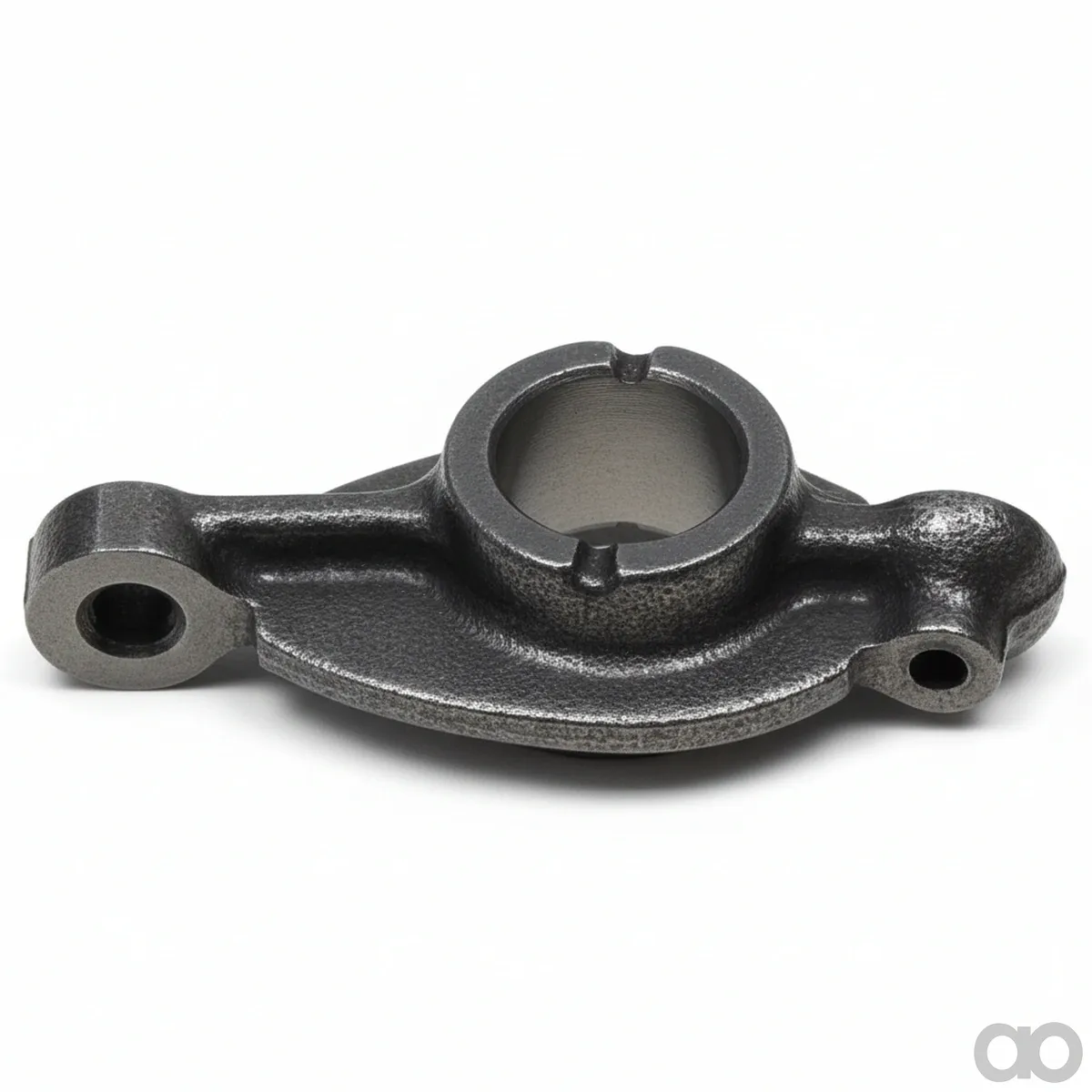
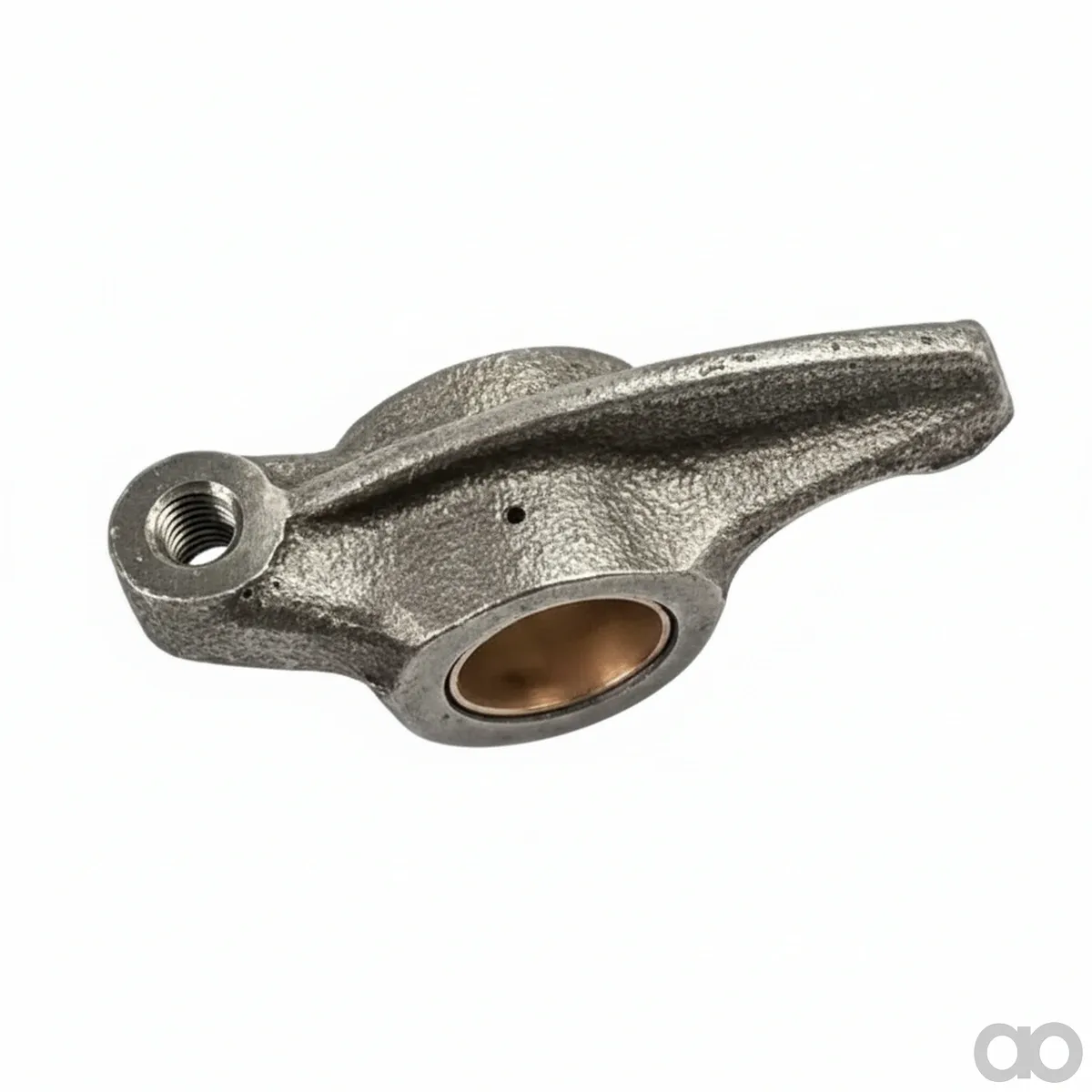
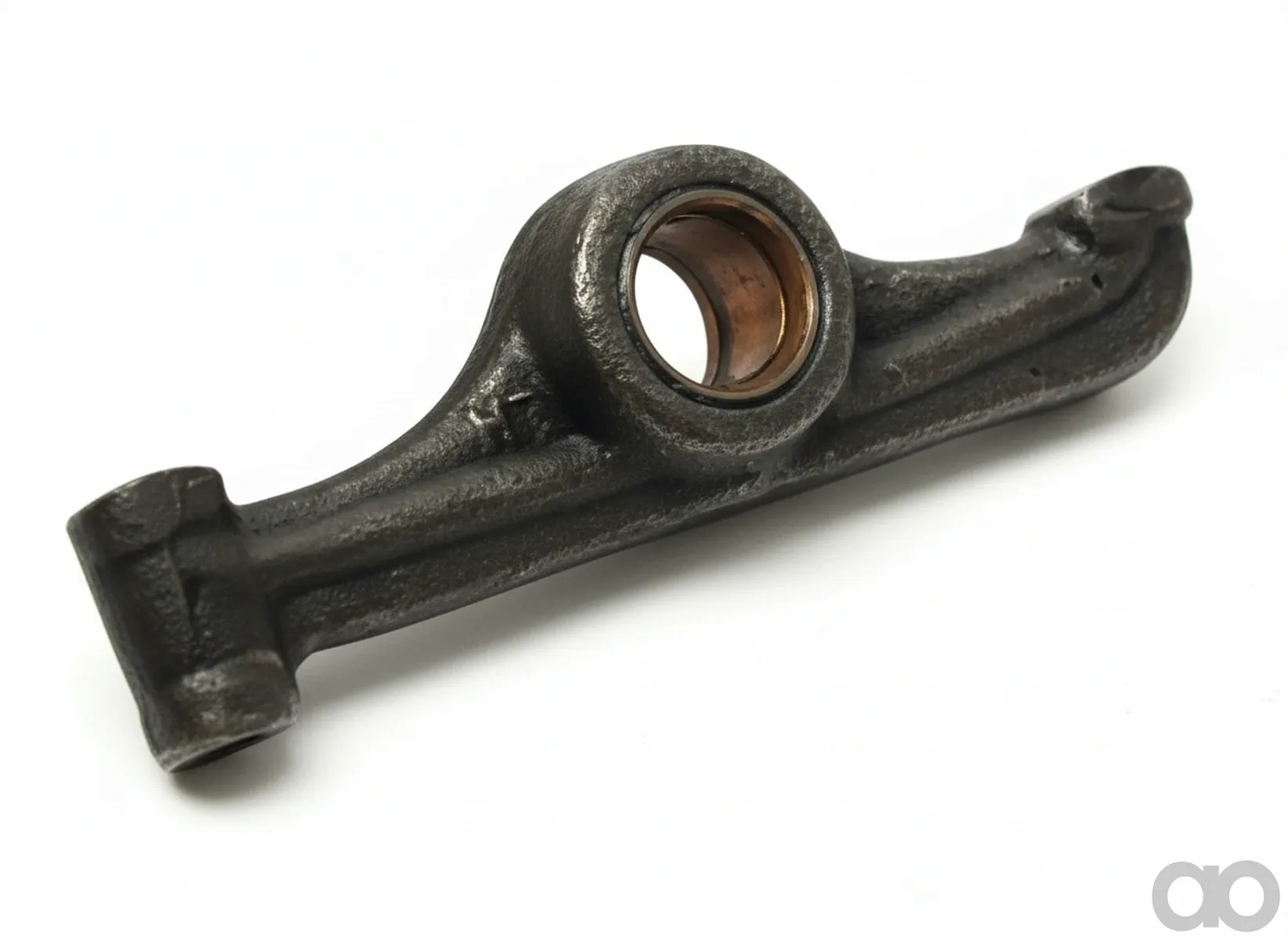
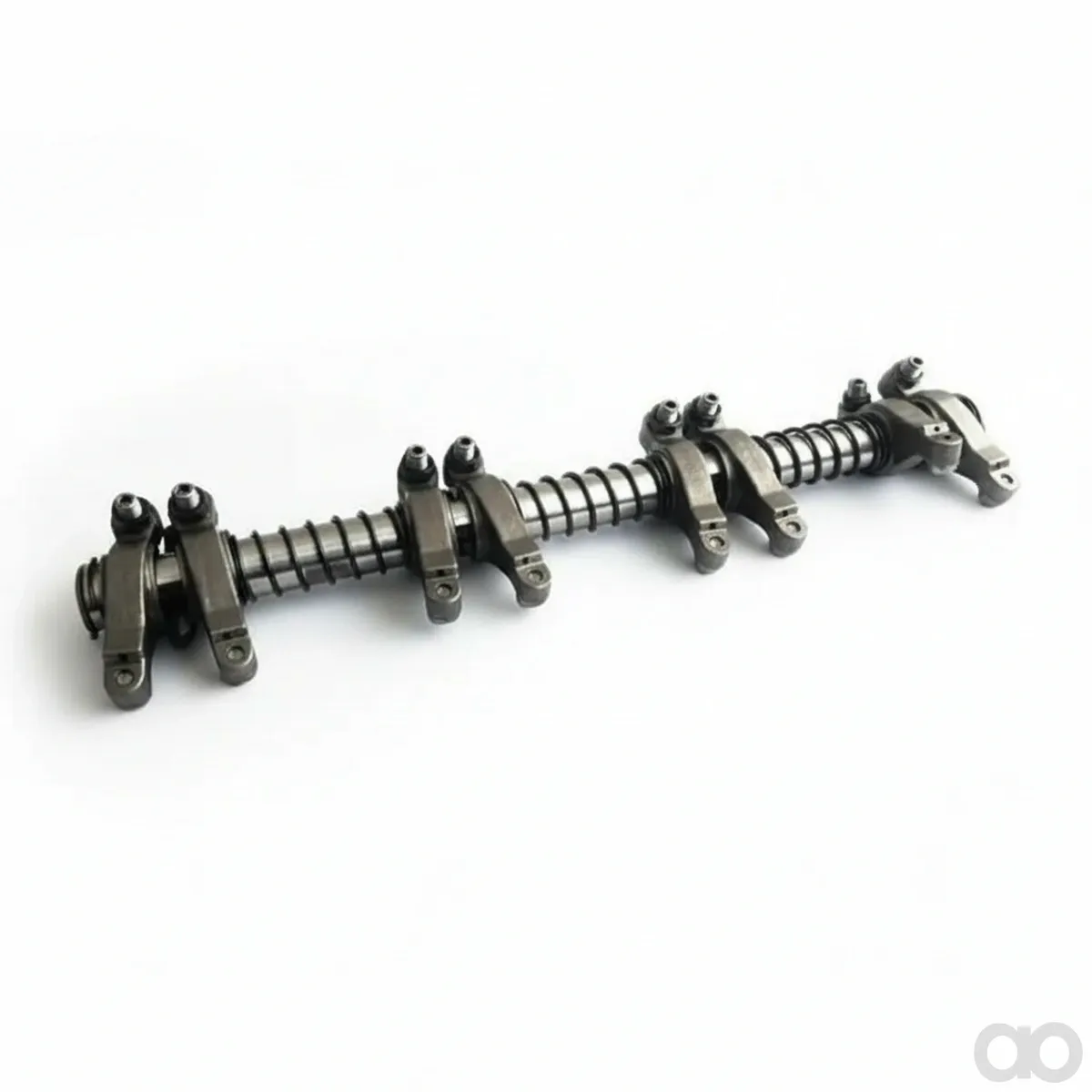
A worn rocker arm shows as valve clearance that will not stay set, a persistent tapping from the rocker cover, and visible side-to-side or up-and-down play of the arm on its shaft. The pad that contacts the valve stem wears into a hollow; a feeler gauge then bridges the hollow and reads tighter than the true clearance, so the valve gear stays noisy after adjustment. Blueing on the pad or in the bore indicates that the oil feed to that arm has been blocked.
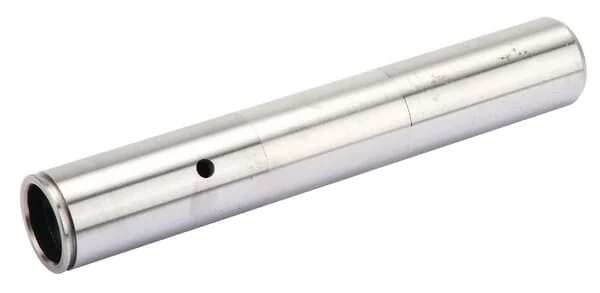
The running clearance between a rocker arm bush and the rocker shaft is typically about 0.02 to 0.07 mm when new, and a common wear limit is around 0.15 mm. It is measured by comparing the bush bore, taken with a small bore gauge, against the shaft diameter measured with a micrometer where the arm runs. Wear is concentrated on the underside of the shaft, where the load acts, so the shaft should be measured in more than one plane.
Rocker arm ratio is the length of the arm from pivot to valve divided by the length from pivot to pushrod. On most pushrod engines it lies between about 1.3:1 and 1.7:1, so the valve opens further than the cam lobe lifts the pushrod. Because lift at the valve equals cam lift multiplied by the ratio, an arm with a different ratio changes valve lift and timing, and can bring the valve into contact with the piston. Replacement arms must match the original ratio.
A lightly worn rocker arm pad can be reground on a valve refacing machine, provided the original radius is kept so that the pad rolls across the valve tip. The limit is the depth of surface hardening, so removing more than a few tenths of a millimetre risks cutting through it to soft metal that wears rapidly. How deep it runs depends on how the arm was hardened. Arms with deep hollows, cracked pads or roller tips are replaced rather than reground.
The rocker shaft does not always need replacing with the arms, but it must be inspected. A shaft with ridges that can be felt where the arms run, or measured wear of more than about 0.03 to 0.05 mm, will give a new bush excessive clearance from the start and should be renewed. The oil drillings in the shaft are cleaned out, the end plugs checked for tightness, and the shaft refitted with its oil holes facing the direction the manufacturer specifies.

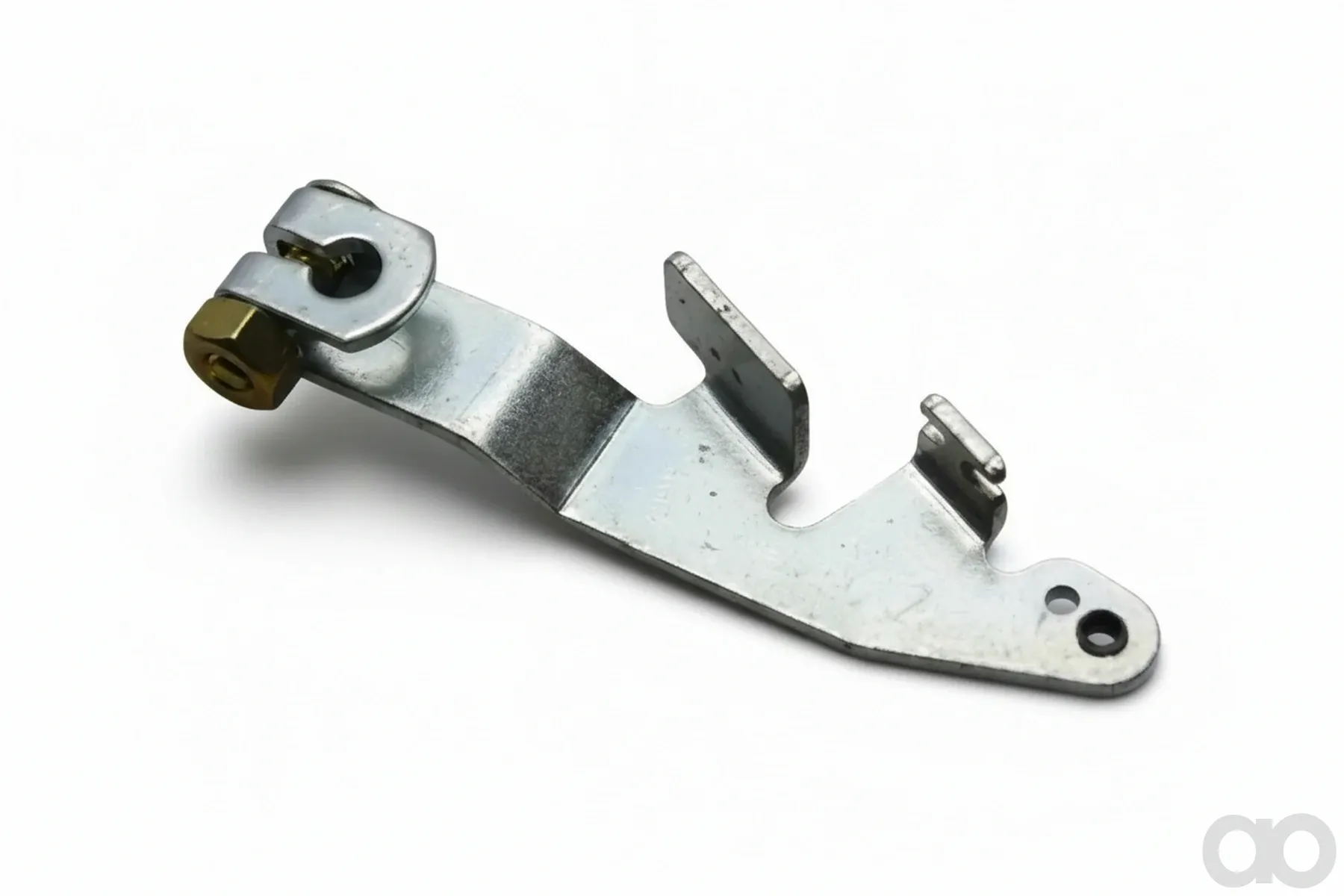
Krone - 1857372 - Closing Lever Right Front/Left Rear
Krone
€77.38
Showing 1–48 of 2,164 parts