(740)
Typical new clearance between valve stem and guide is about 0.02 to 0.05 mm for inlet valves and 0.04 to 0.08 mm for exhaust valves, the exhaust being looser because its stem runs hotter and expands more. A common wear limit is around 0.15 mm, with some manufacturers allowing up to 0.20 mm on the exhaust side. Too little clearance is as harmful as too much: a tight exhaust stem can seize in the guide once the engine reaches working temperature.
Valve guide wear can be checked by lifting the valve about 10 mm off its seat and rocking the head sideways against a dial gauge. Because the movement is magnified at the valve head, more than roughly 0.5 mm of rock points to a worn guide or stem. The accurate method is to measure the guide bore with a small-hole gauge at the top, middle and bottom and compare it with the stem diameter. Guides wear bell-mouthed, so the two ends are usually larger than the middle.
Valve guides are driven or pressed out with a stepped drift that fits the bore, normally from the combustion chamber side, after carbon has been cleaned from the exposed end. An aluminium head is first heated evenly to about 100 to 150 degrees C, and chilling the new guides makes fitting easier. The new guide is pressed in from the top until it stands at the height above the spring seat that the manufacturer specifies. The interference fit is typically 0.02 to 0.05 mm; if the old guide came out loose, an oversize outside diameter guide is needed.
New valve guides usually need reaming after fitting, because the interference fit in the head closes the bore slightly. Guides supplied undersize must be reamed to the final dimension, and guides supplied finished should still be checked with the valve that will run in them. A hand reamer of the nominal stem size is turned in one direction only, with cutting oil, and the bore is cleaned thoroughly before the stem clearance is measured.
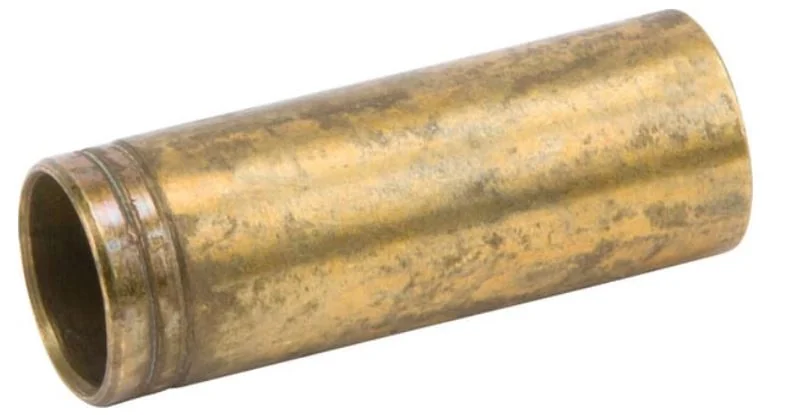
The safest choice is the material the engine was built with. Cast iron guides are hard-wearing, hold their size well and are the normal fitment in cast-iron diesel heads. Bronze guides carry heat away from the valve faster and are less likely to pick up on the stem when lubrication is thin, which is why they are used in aluminium heads and hot-running exhaust positions. Changing material is only advisable where the engine or guide manufacturer offers it as an alternative for that engine.
Worn valve guides typically cause blue exhaust smoke after a period of idling or on the overrun, rising oil consumption with no external leak, and oily carbon in the inlet ports and on the valve stems. Because the valve no longer seats centrally, compression falls on the affected cylinder and exhaust valves may burn at one side of the seat. New valve stem seals fitted over worn guides fail quickly, since the rocking stem distorts the sealing lip.

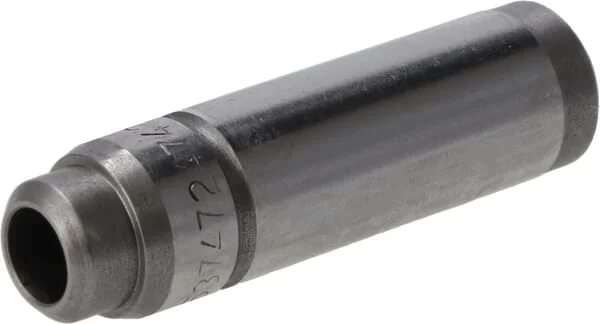
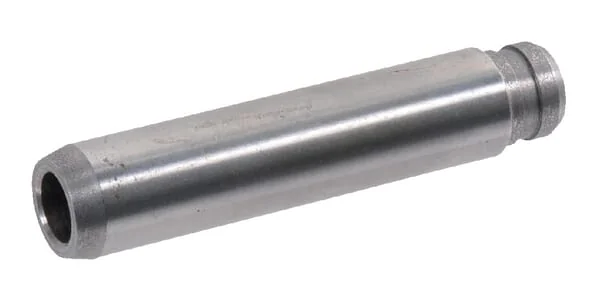
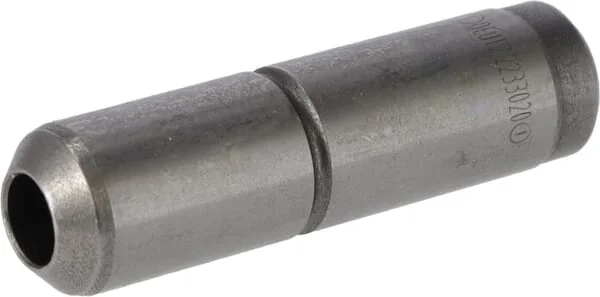
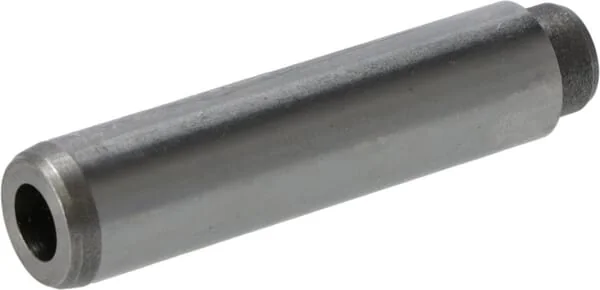
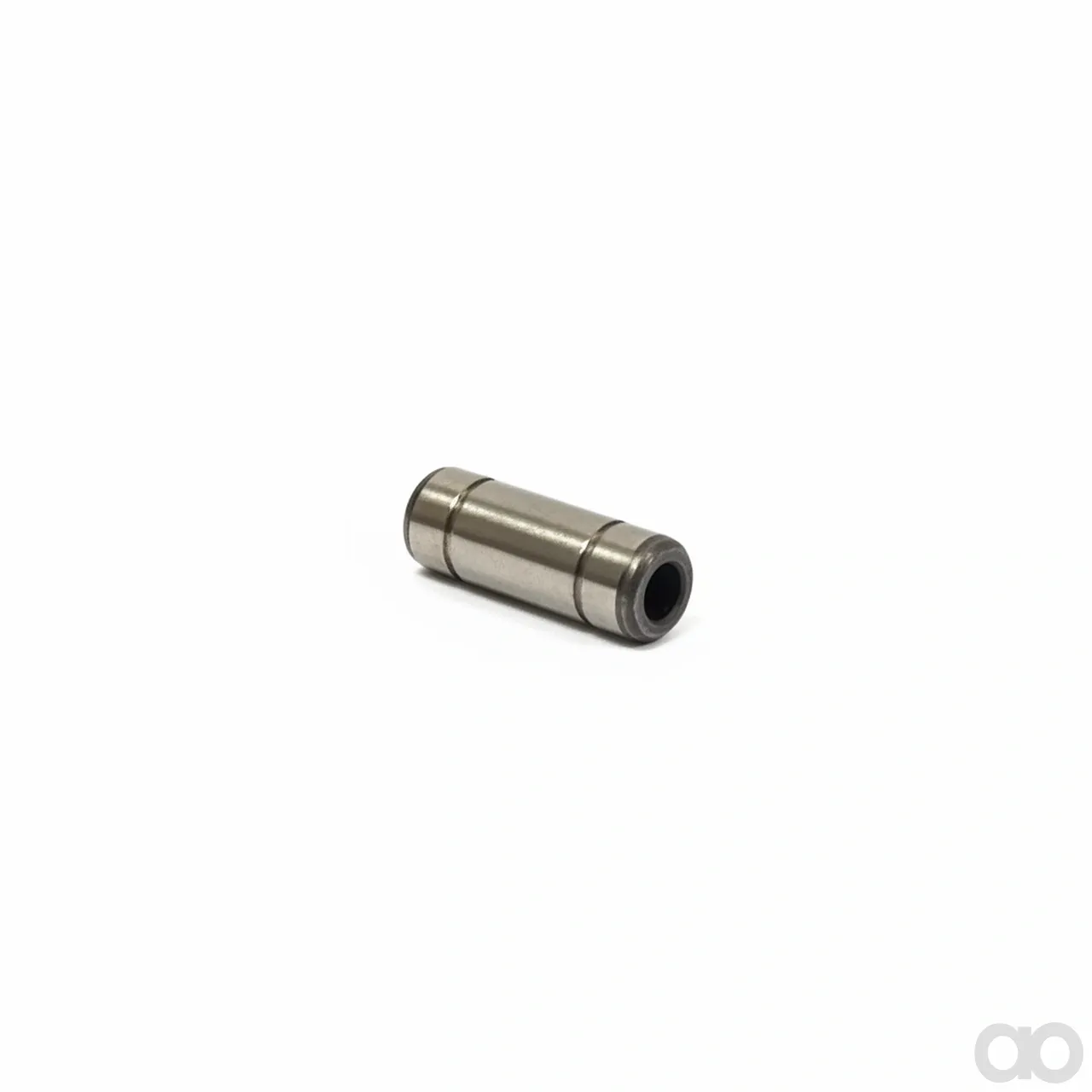
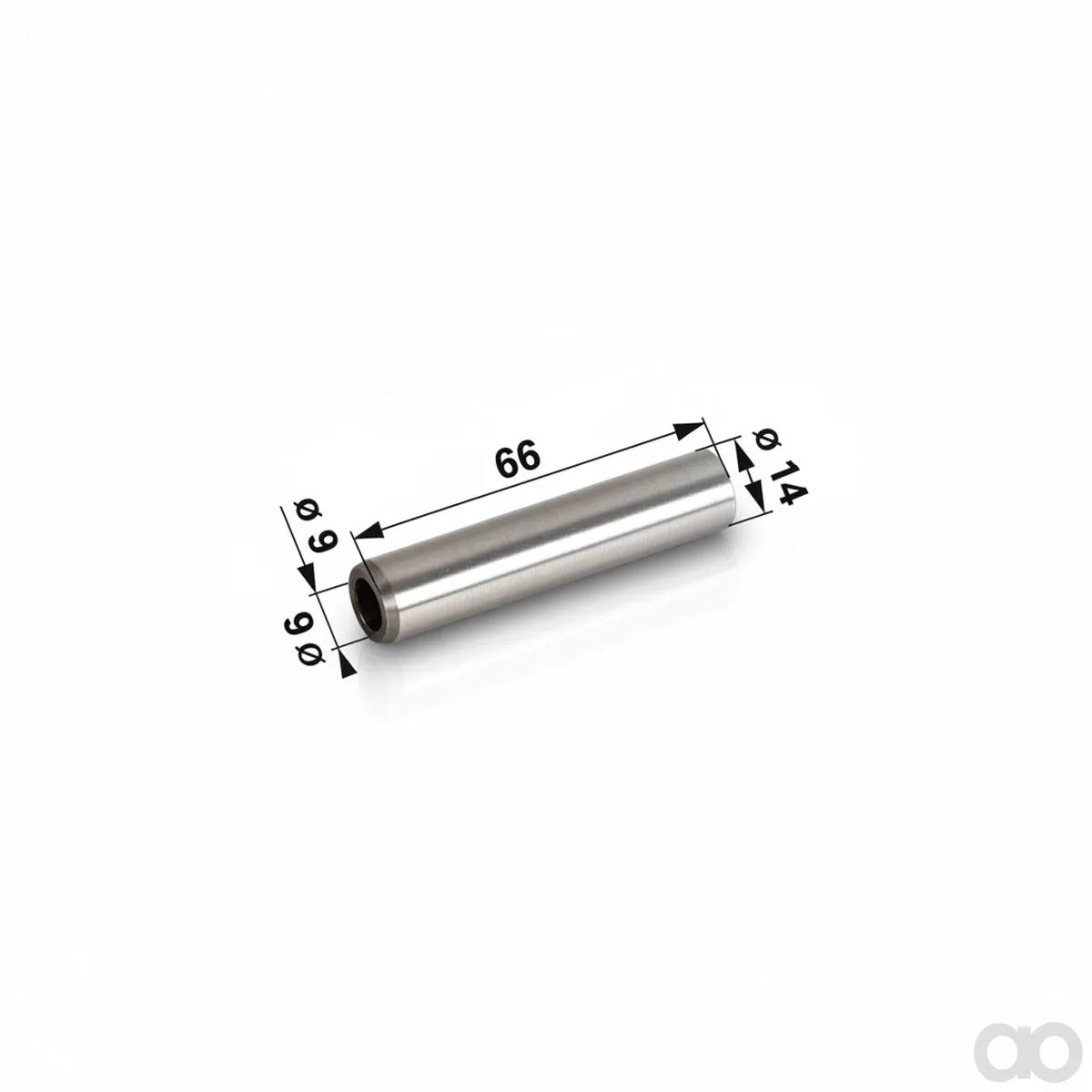
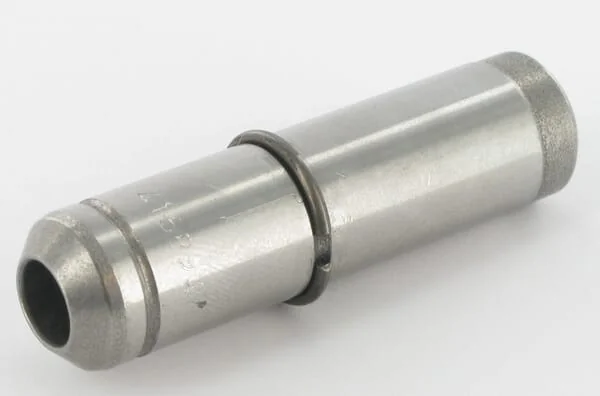
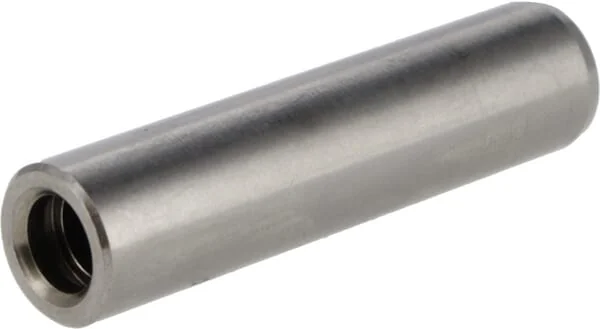
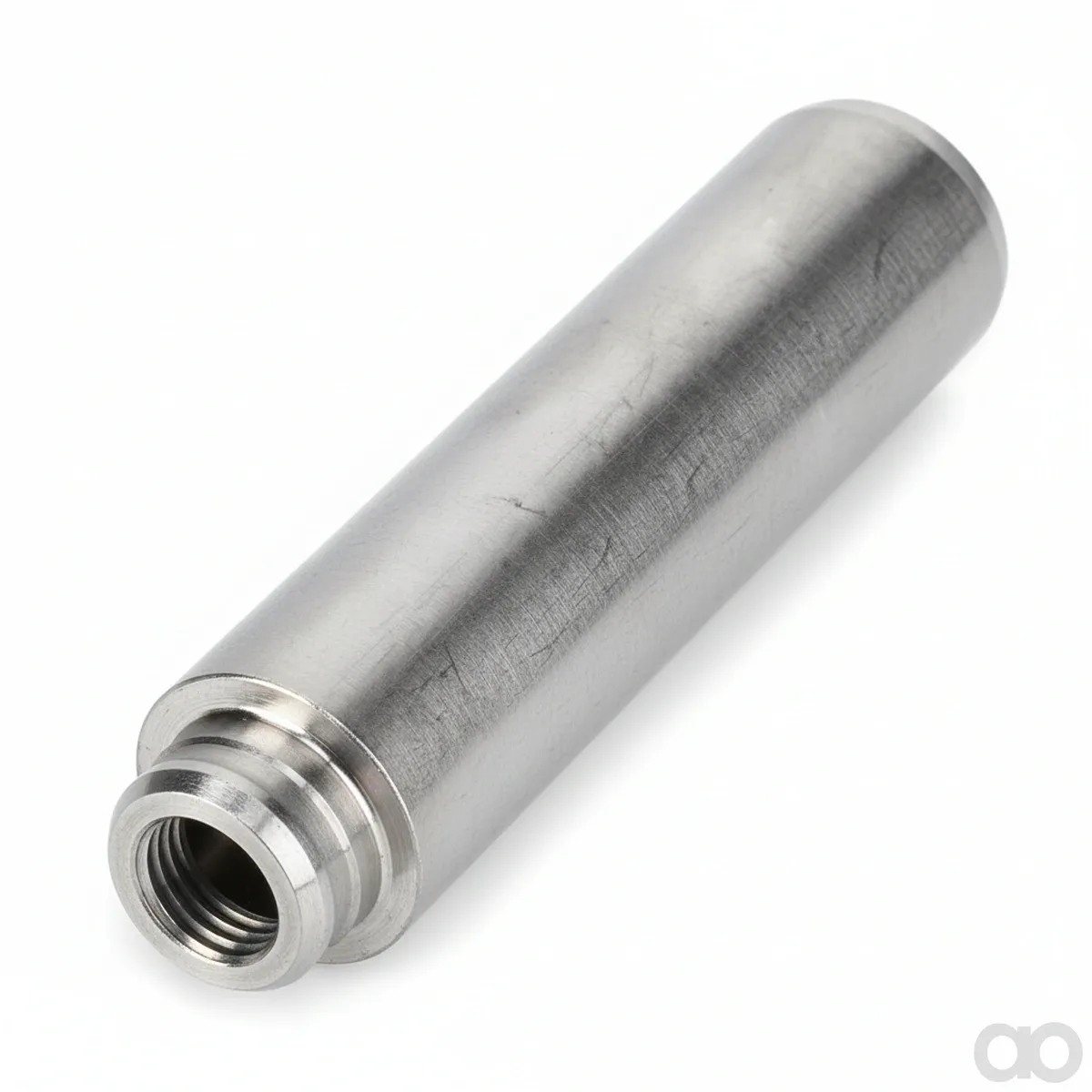
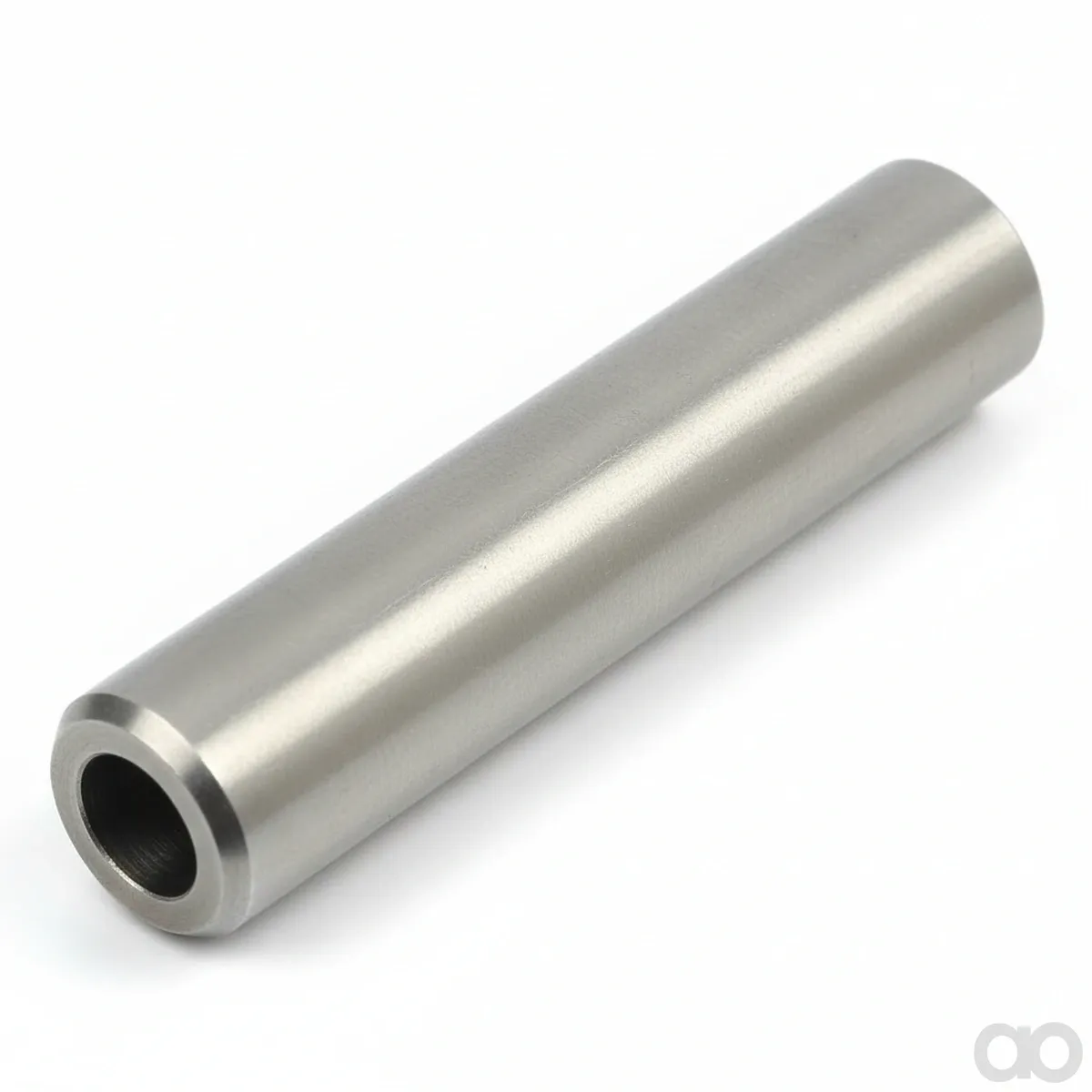
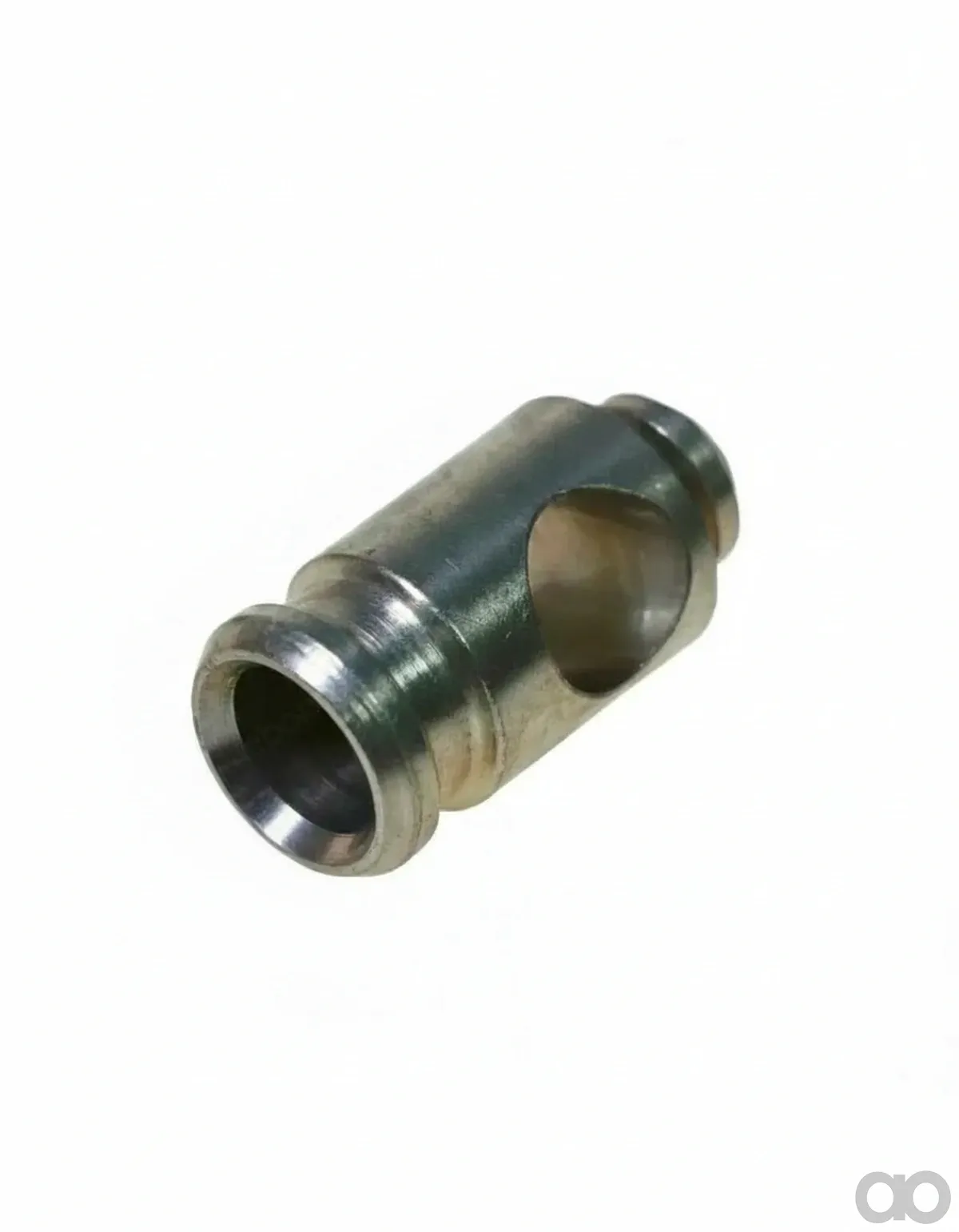
Deutz - 02941000 - Valve Guide
Deutz
€55.86
Showing 1–48 of 740 parts