(1,433)
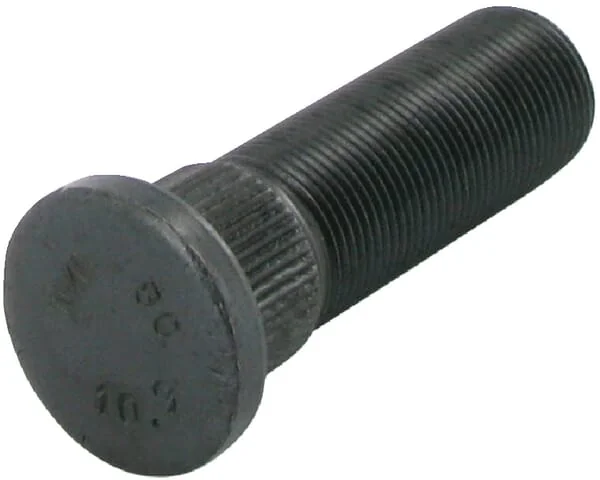
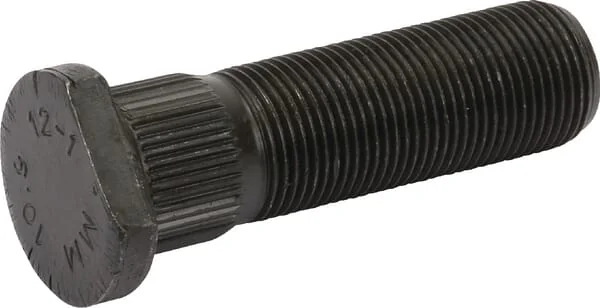
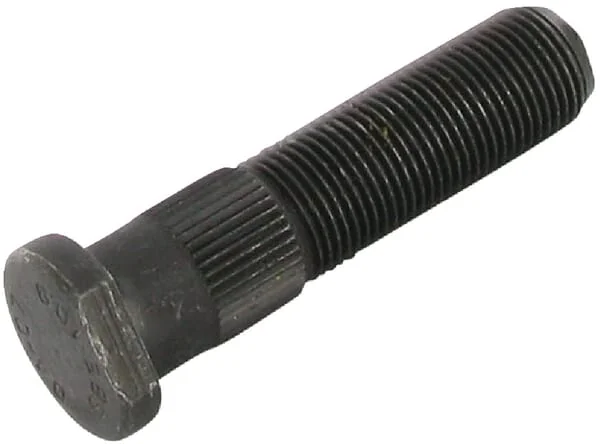
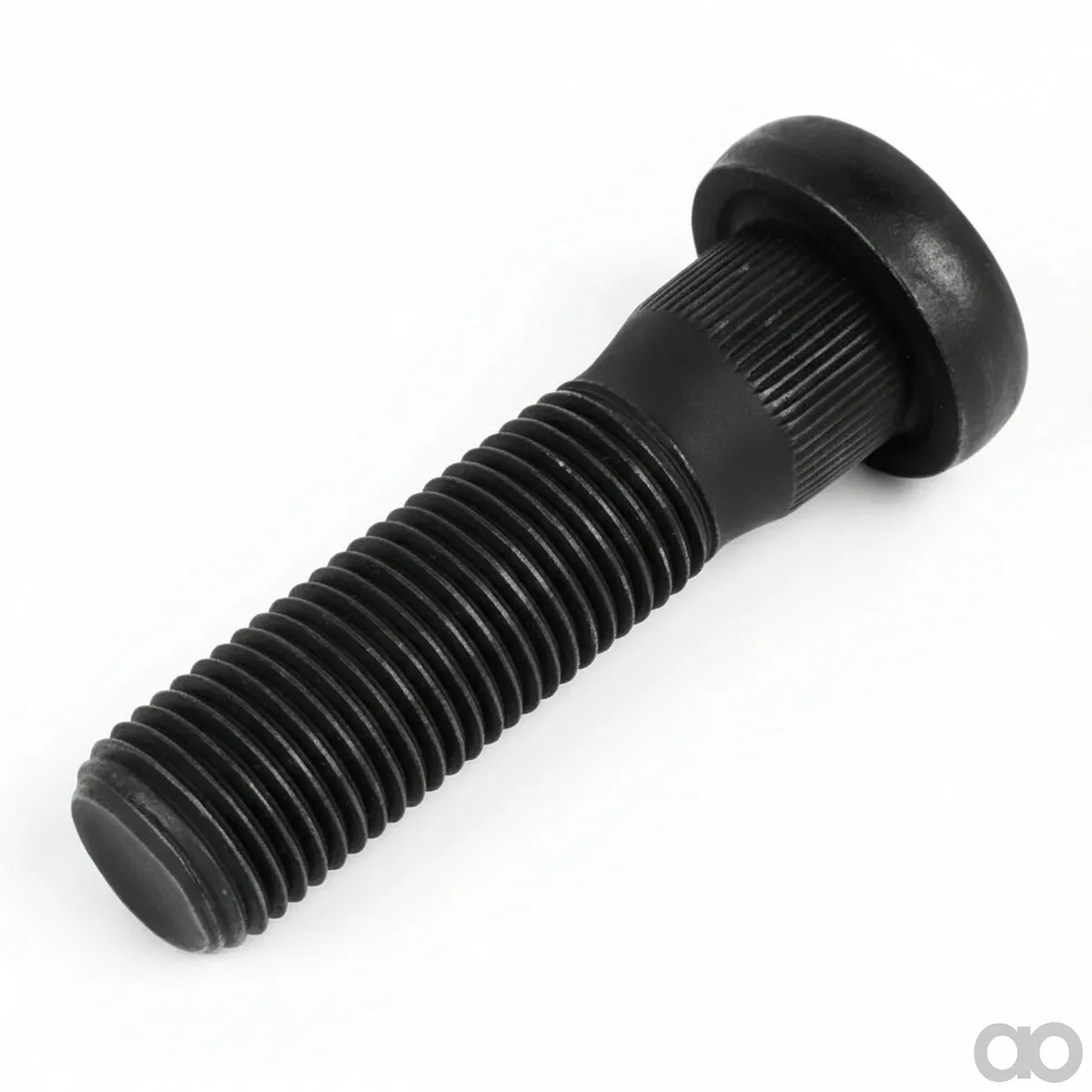
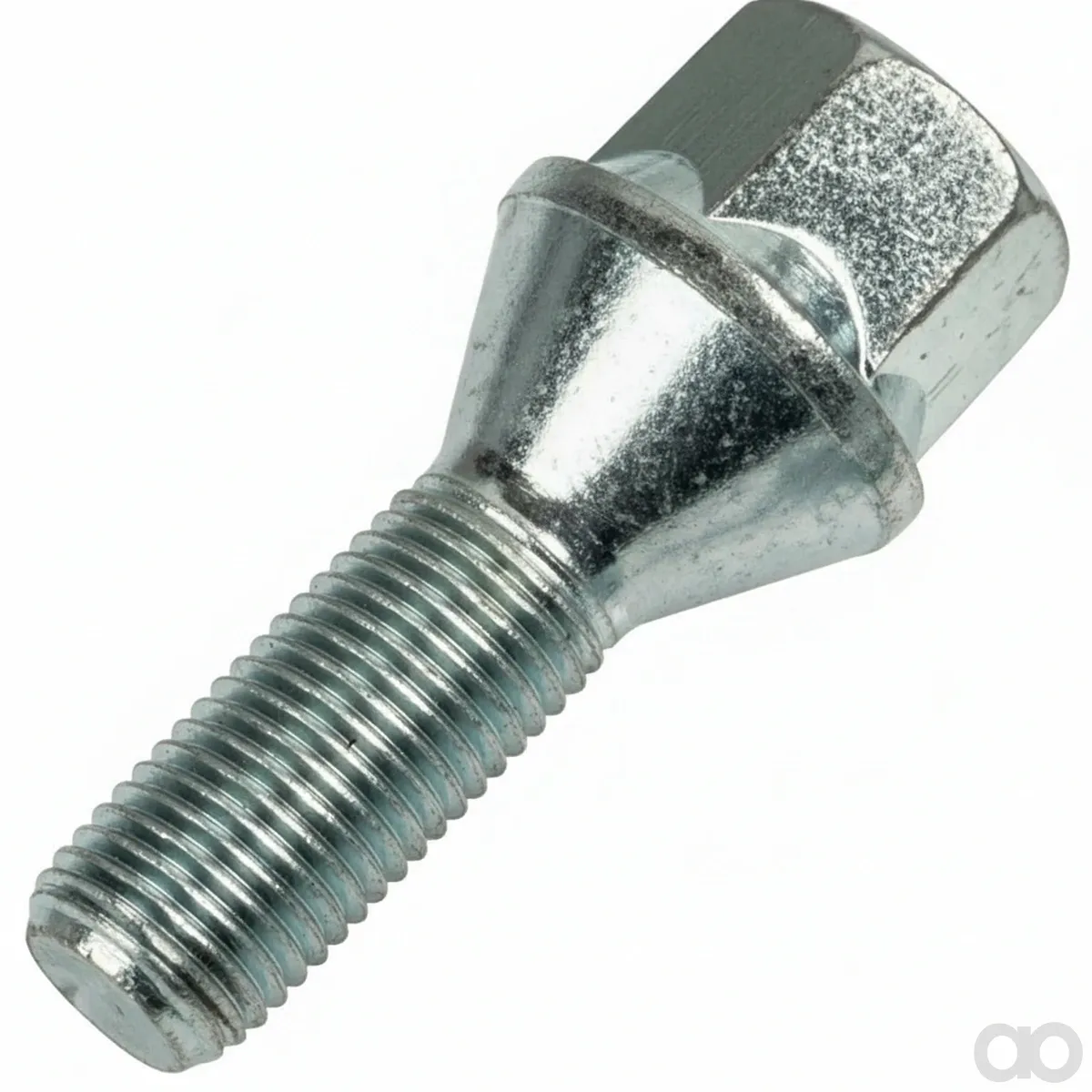
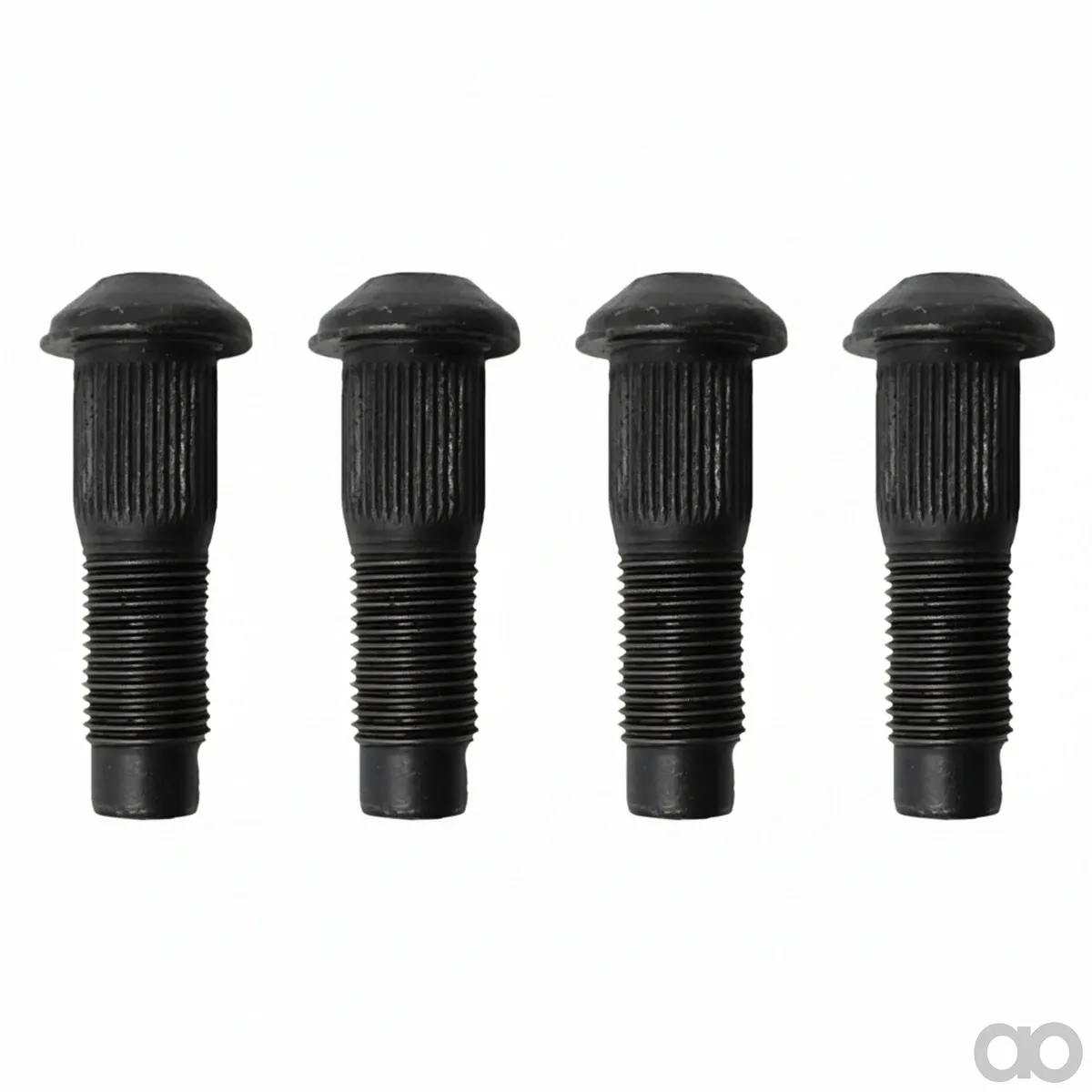
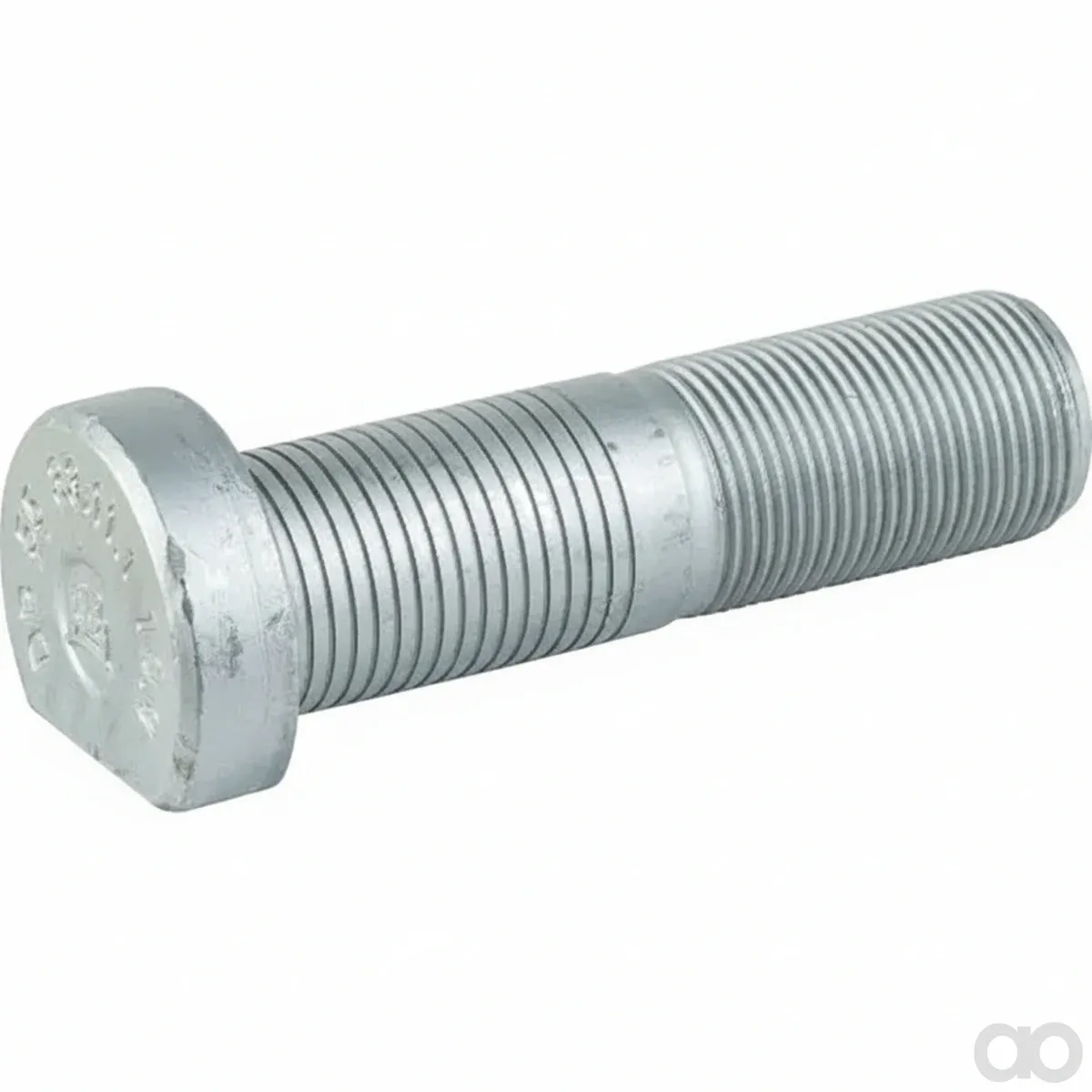
Most tractor, trailer and implement wheel studs use a metric fine thread, and M18x1.5, M20x1.5 and M22x1.5 are the most common sizes, with smaller threads on compact machines. Some older and non-European machines use imperial UNF threads. Always measure the stud diameter and check the pitch with a thread gauge before ordering.
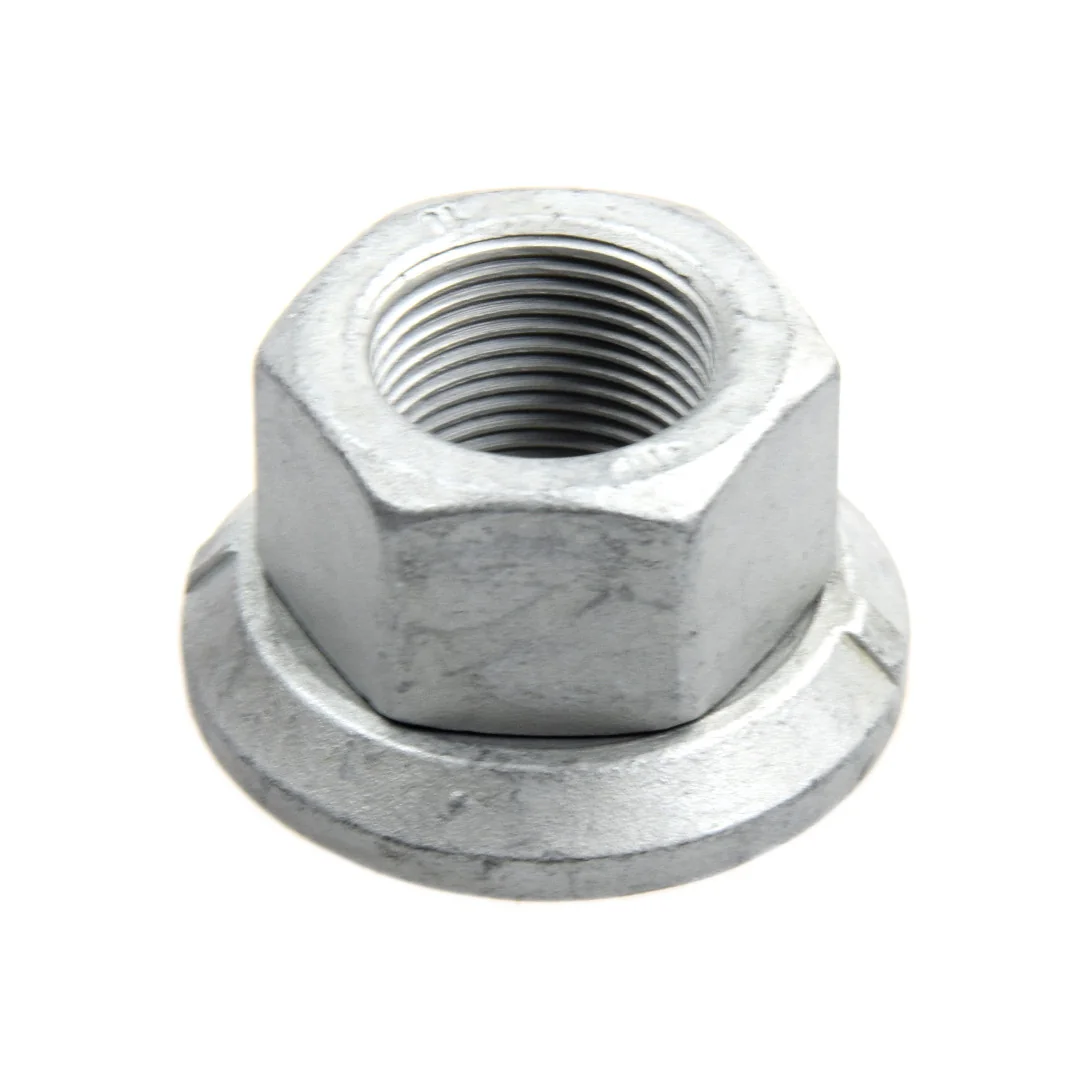
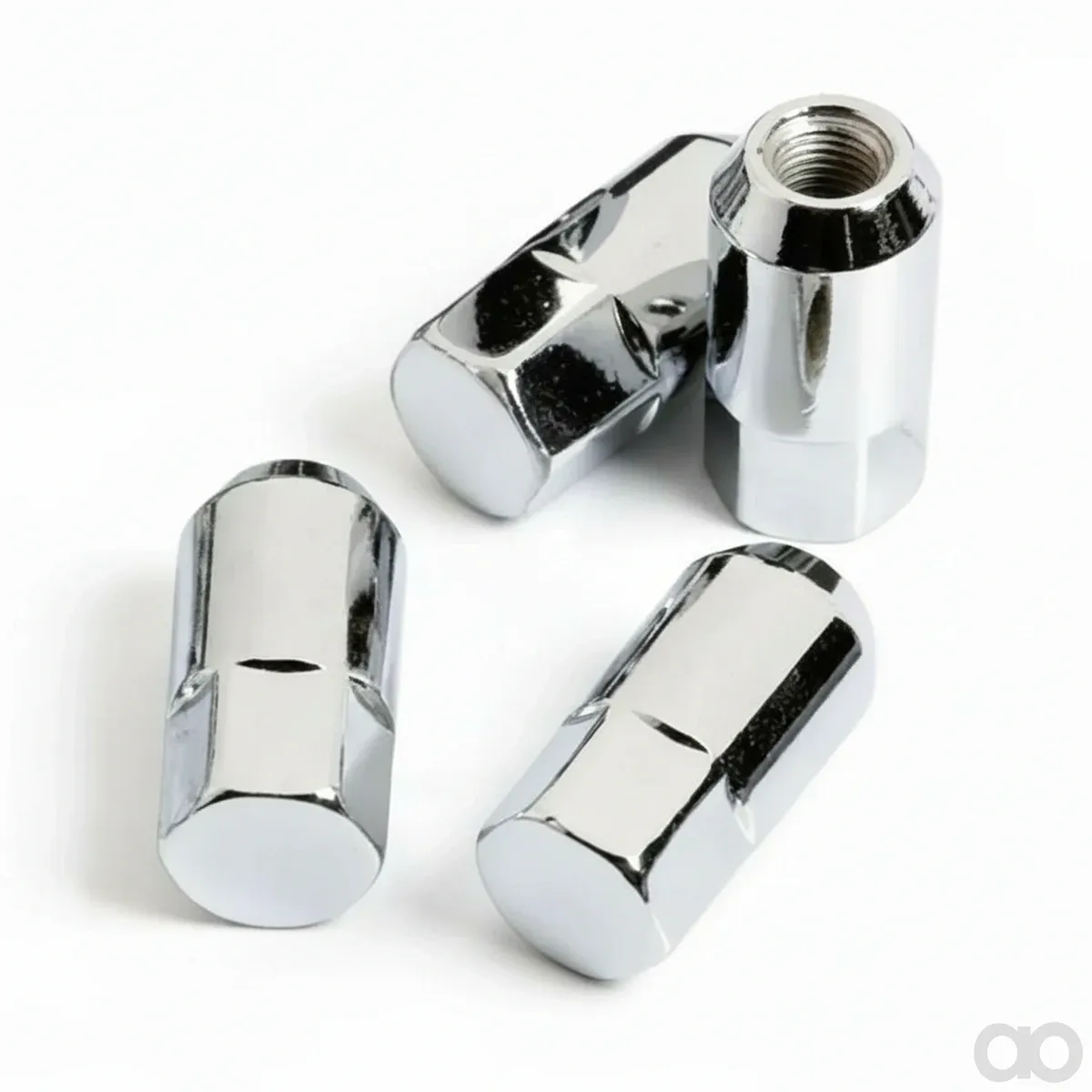
The seat is the face of the nut that bears on the wheel. A conical seat is a 60 degree taper that centres the wheel on the studs. A spherical seat is ball-shaped and matches a radiused hole. A flat seat presses a flat face, often through a captive washer, onto a wheel that is centred by the hub spigot. The nut seat must match the seat machined in the wheel.
No. The two shapes touch only along a narrow line instead of over the full seat area. The contact pressure is too high, the seat deforms, the clamping force falls away and the nut works loose. The wheel hole is usually damaged in the process, so the wheel may need replacing as well as the nuts.
Follow the machine manufacturer's instruction, because the specified torque assumes a particular thread condition. Where nothing is stated, torque figures are normally given for clean threads that are dry or only lightly oiled. Heavy grease or anti-seize paste lowers friction considerably, so the same torque produces a much higher clamping force and can stretch the stud.
Check it after the first few hours of work or the first short road journey following any wheel removal, because the joint settles and loses clamping force. After that, check at the service intervals in the operator's manual and before long road transport. Tighten in a diagonal sequence with a torque wrench.
It is the property class under ISO 898-2, which states the nut's strength. A nut marked 10 is intended for use with a class 10.9 stud, and one marked 8 with a class 8.8 stud. A replacement nut must be of at least the same class as the original.

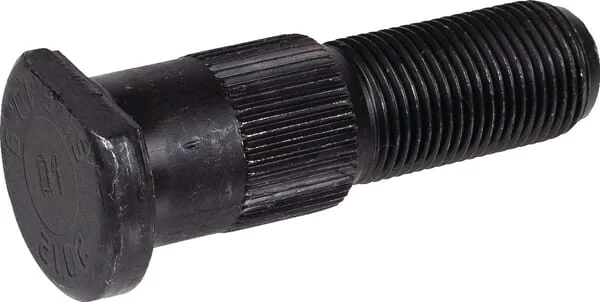
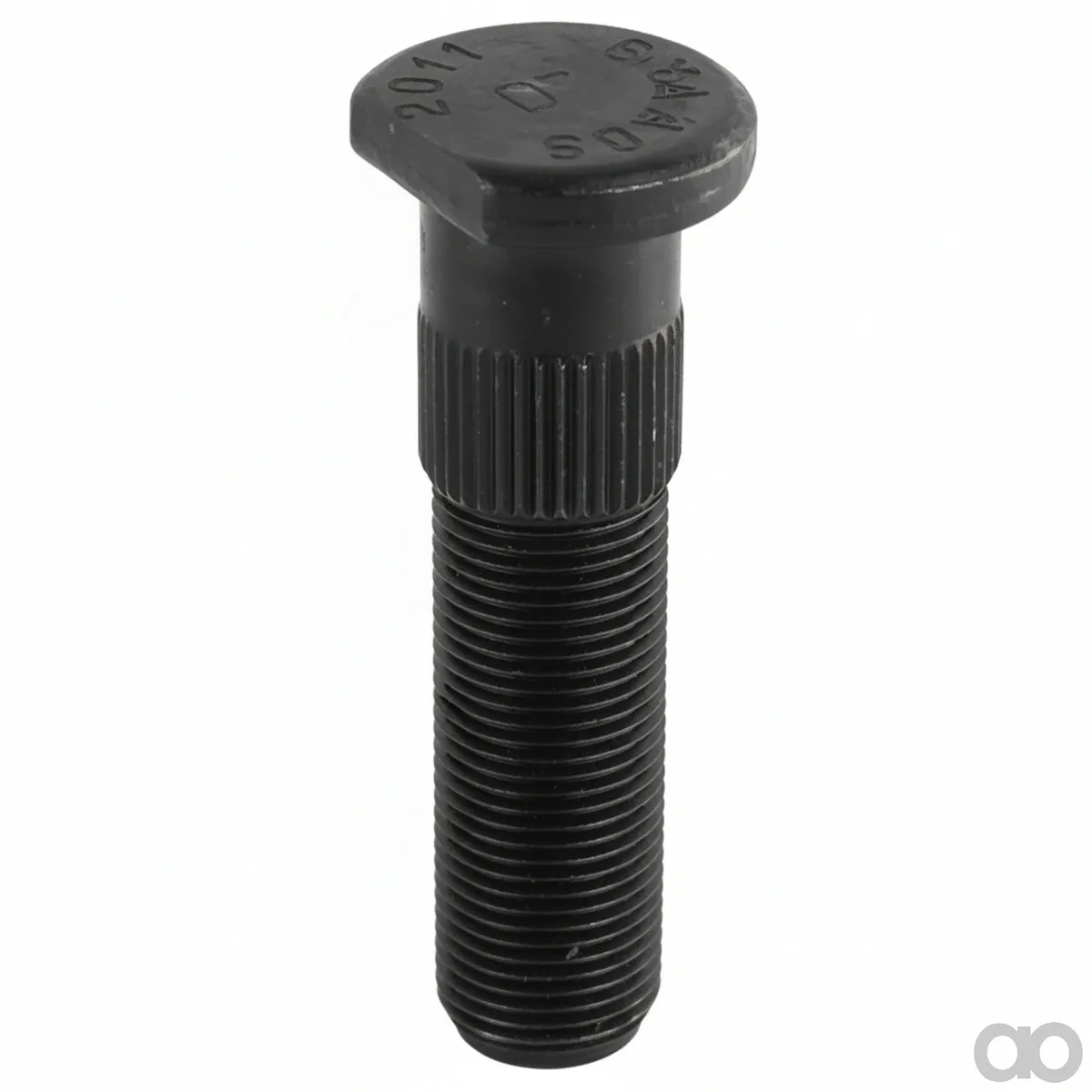
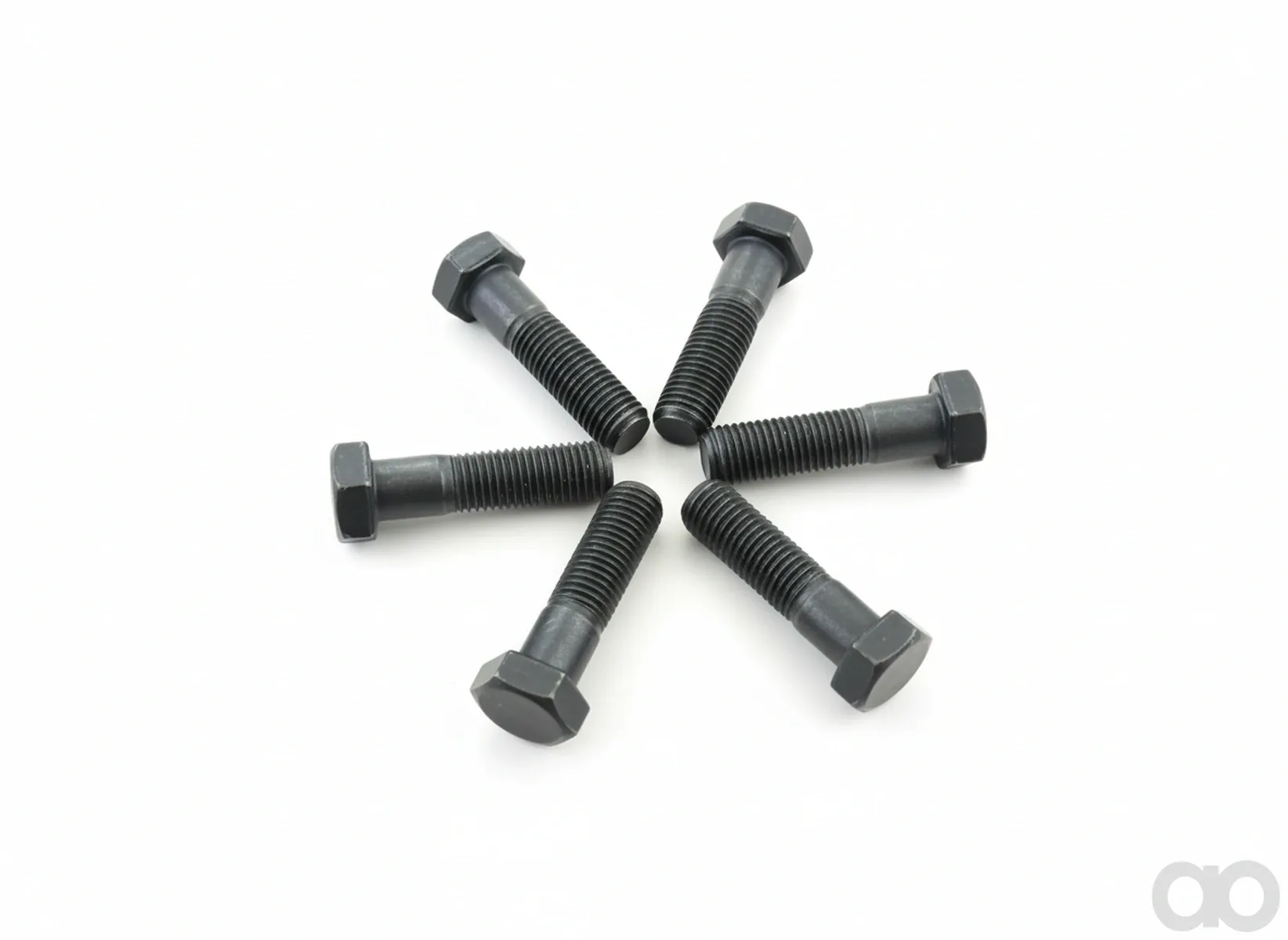
ADR - 903C22L1 - Wheel Bolt M22x1.5
ADR
€23.66
Showing 1–48 of 1,433 parts