(642)
Showing 1–48 of 642 parts
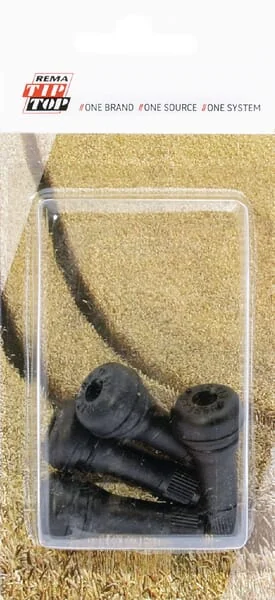
Both are snap-in rubber tubeless valves; the difference is the rim hole they fit. The TR413 is made for an 11.3 mm (0.453 inch) rim hole and the TR415 for a 15.7 mm (0.625 inch) hole. Measure the hole in the rim before ordering, because a valve for the smaller hole will not seal in the larger one.
The TR218A is one of the common large-bore air and water valves. Its inner section unscrews to leave a large bore through which the tyre can be filled with liquid ballast and drained again. With the inner section refitted it works as a normal air valve with a standard core. The TR618A is the other common pattern; which of the two suits a wheel depends on the rim hole and on whether the tyre runs with a tube, so take the type number from the catalogue.
Yes for rubber snap-in valves. The rubber ages, hardens and cracks at the base where it flexes, and the cost of a new valve is negligible compared with a tyre failure or a repeat fitting job. Clamp-in metal valves can stay in service if undamaged, but their sealing grommet and the valve core should be renewed.
Standard rubber snap-in valves such as the TR413 and TR415 are rated for a maximum cold inflation pressure of about 4.5 bar (65 psi). Above that, use a high-pressure snap-in type or a clamp-in metal valve rated for the pressure. Many tractor field tyres run far below this limit, but trailer and implement tyres can exceed it.
Remove the cap and wet the valve mouth and the base of the stem with soapy water. Bubbles at the mouth mean the core is leaking; tighten or replace it with a valve core tool. Bubbles at the base mean the stem seal or the rubber body has failed and the valve itself must be replaced, which requires breaking the tyre bead.
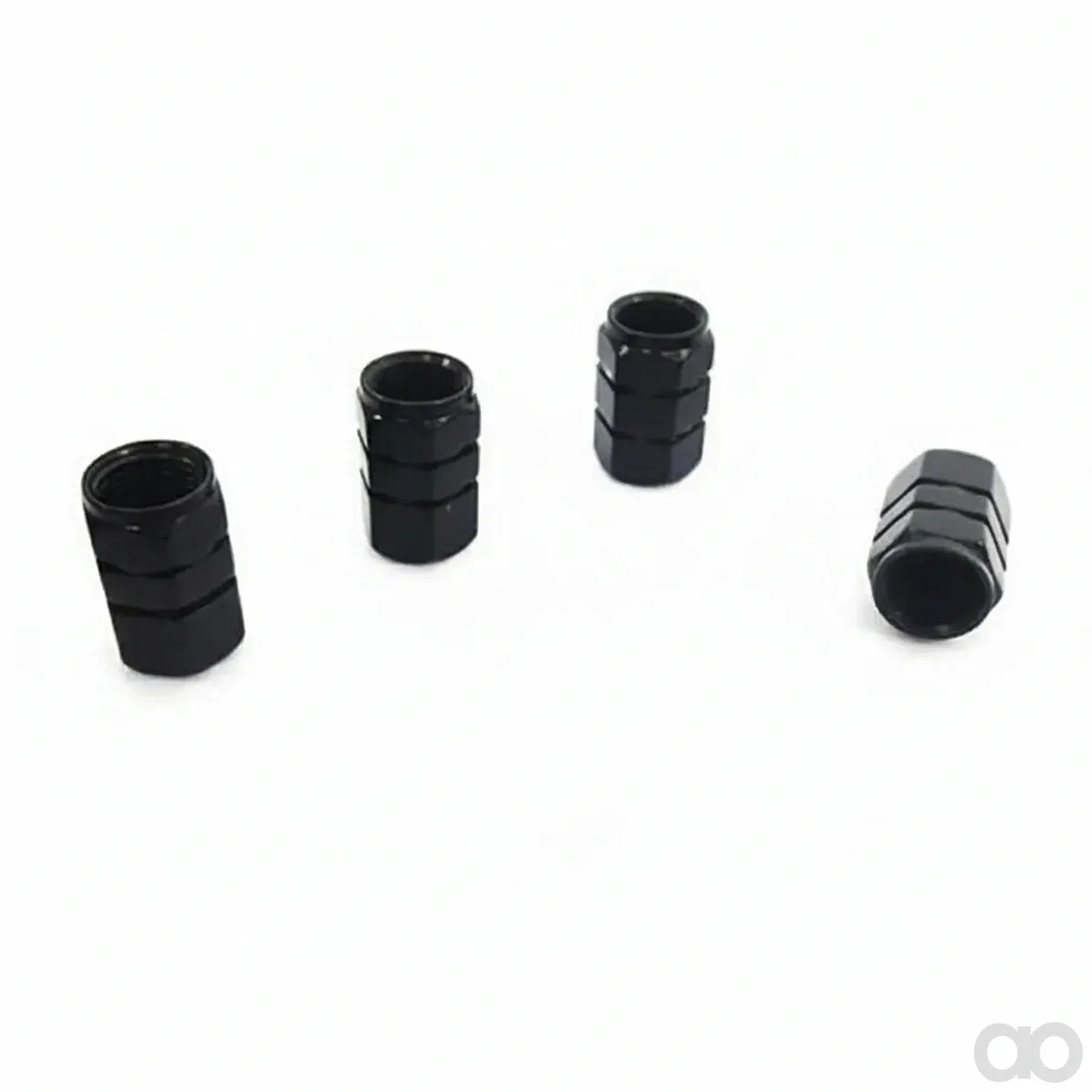
Yes. The cap keeps mud, water and grit out of the valve core, which otherwise sticks open or corrodes, and a cap fitted with a sealing washer acts as a secondary air seal if the core weeps. On machines that work in soil and slurry a missing cap is a frequent cause of slow pressure loss.