(1,178)
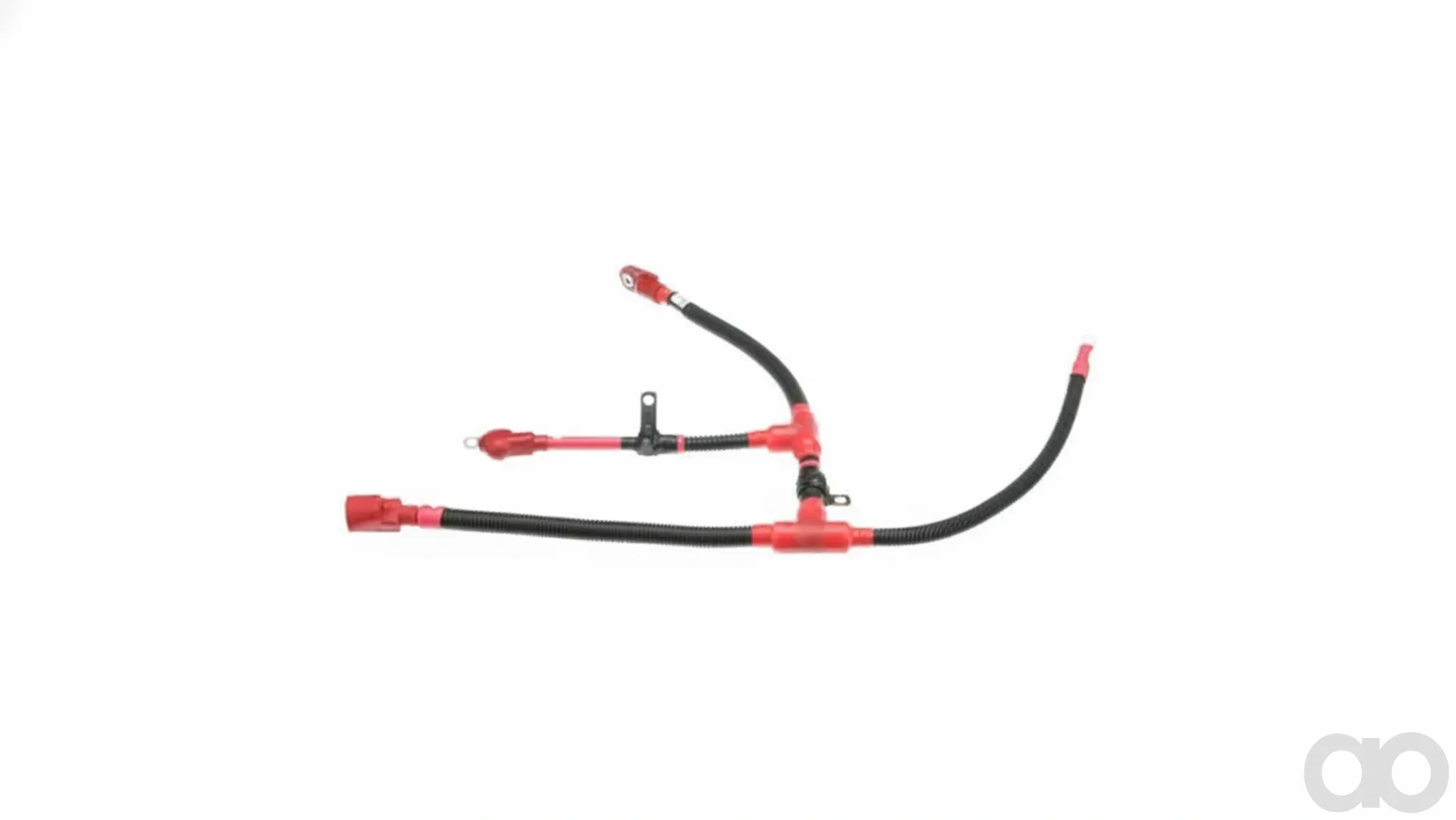
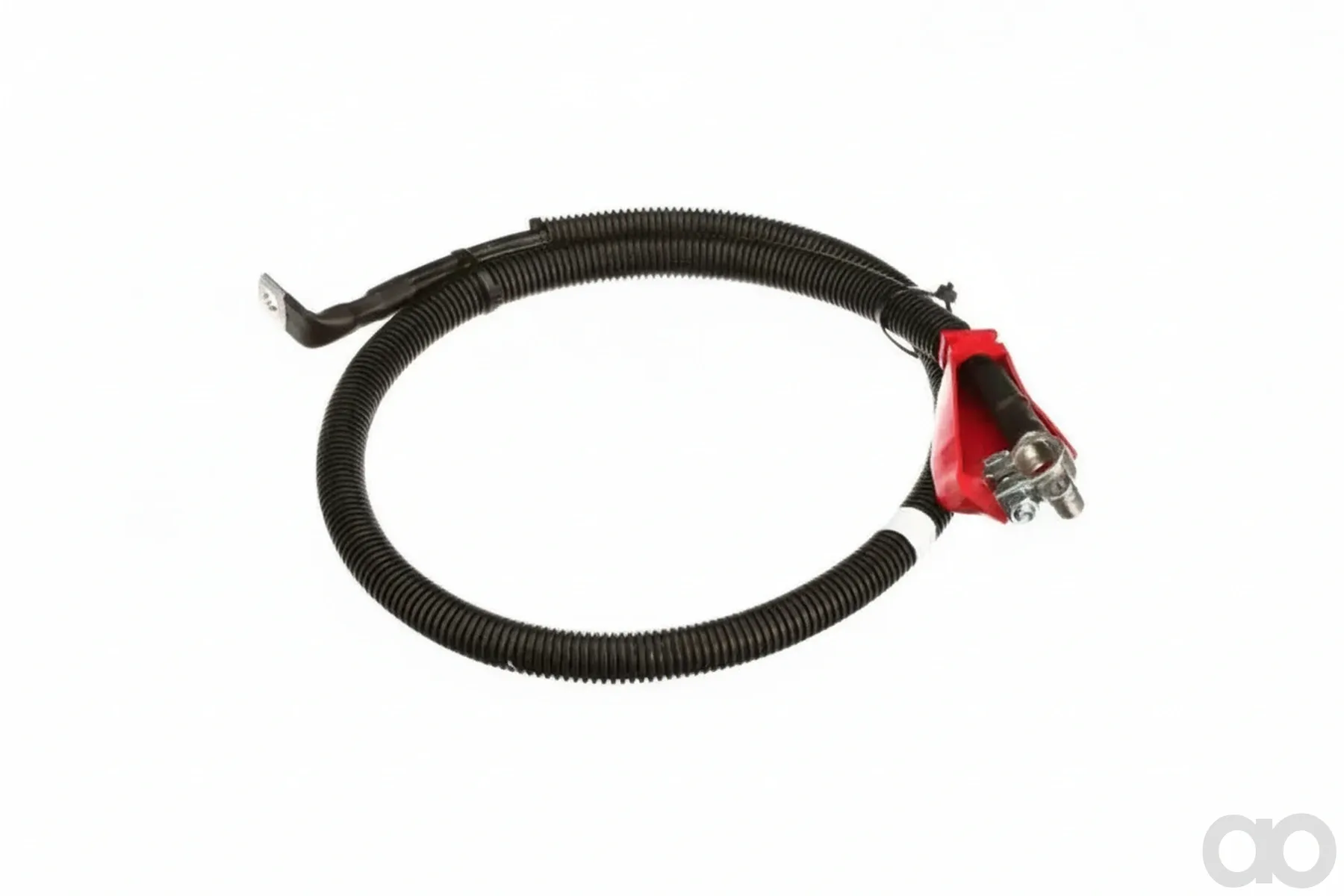
Almost all tractors use 12 V batteries. Machines with two batteries usually connect them in parallel, which keeps 12 V and doubles the capacity; a minority connect them in series to give 24 V for the starter. Check how the link cable runs before ordering: positive to positive is parallel, positive to negative is series.
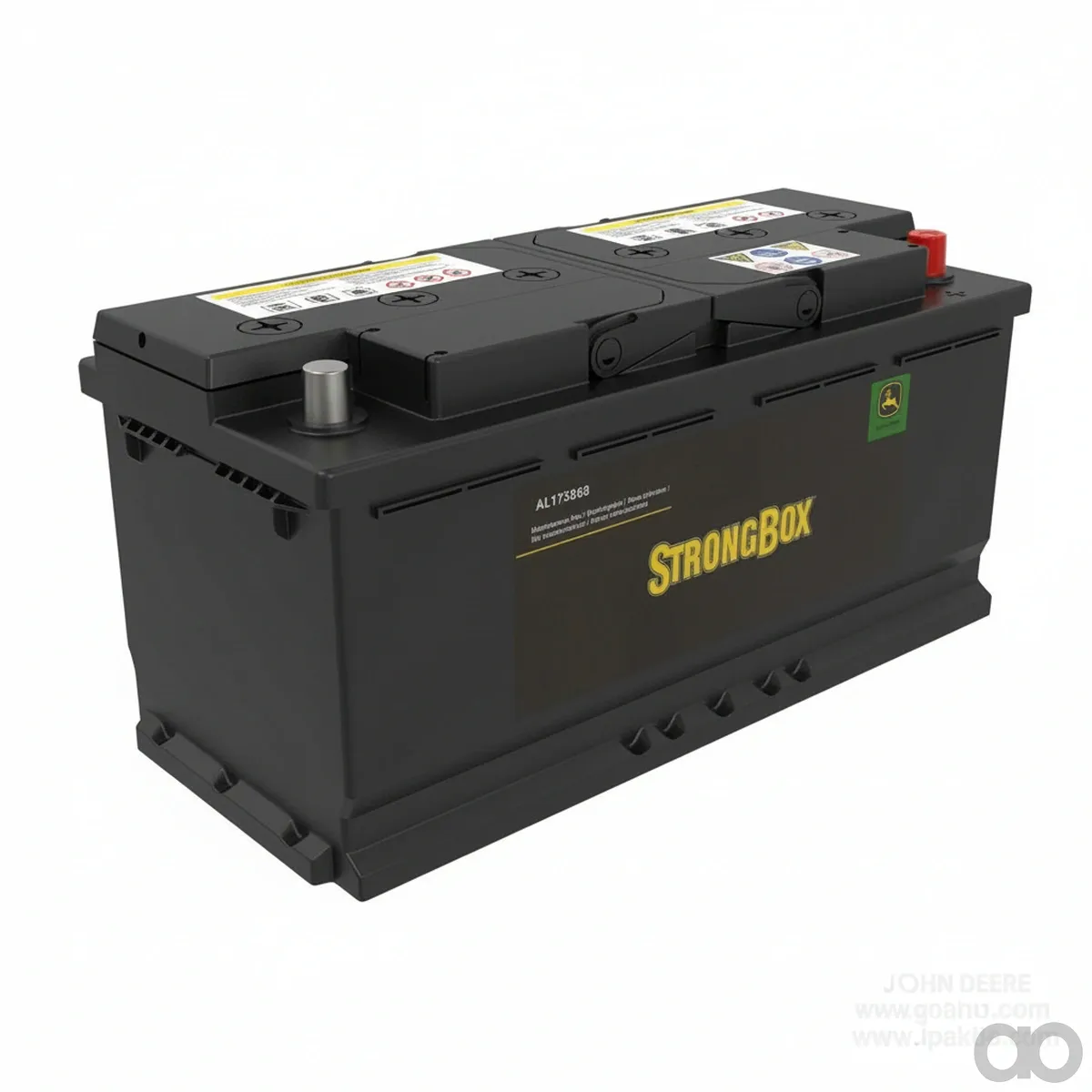
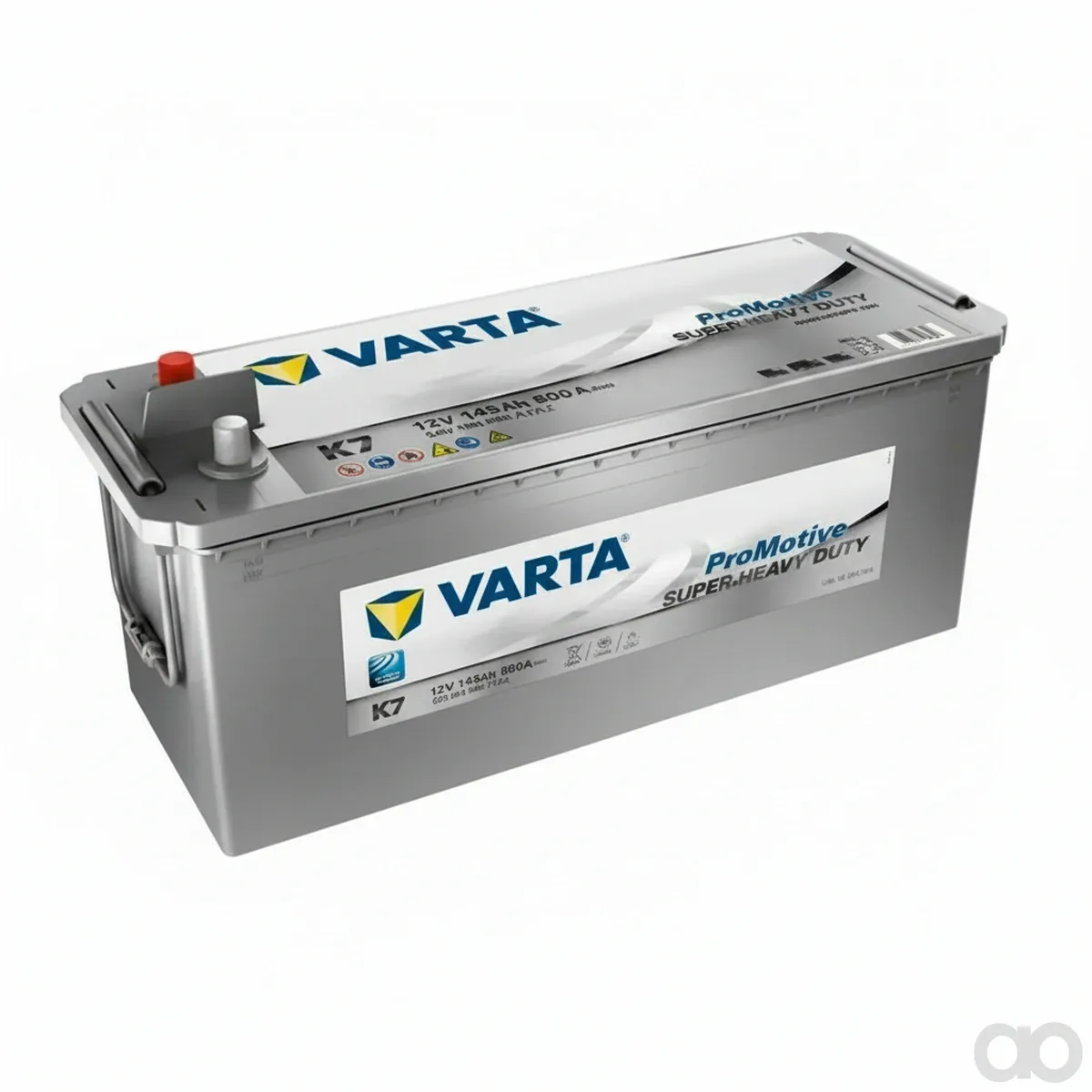
As a working guide, tractors up to about 100 hp are typically specified with 500 to 700 A (EN), and larger six-cylinder engines with 800 to 1000 A or more. The original battery's figure is the minimum; a higher figure is acceptable, a lower one risks failed starts in cold weather.
It will start the engine if the voltage, cold cranking current and case size match, but it usually has a short life. Car batteries are not built for the vibration of field work, and the plates shed active material or break their connections. A battery rated for agricultural or commercial vehicle use is the correct replacement.
Yes. Batteries wired together should be the same type, capacity and age. An old battery paired with a new one draws charge from it and holds the pair at the old battery's level, so the new one ages quickly.
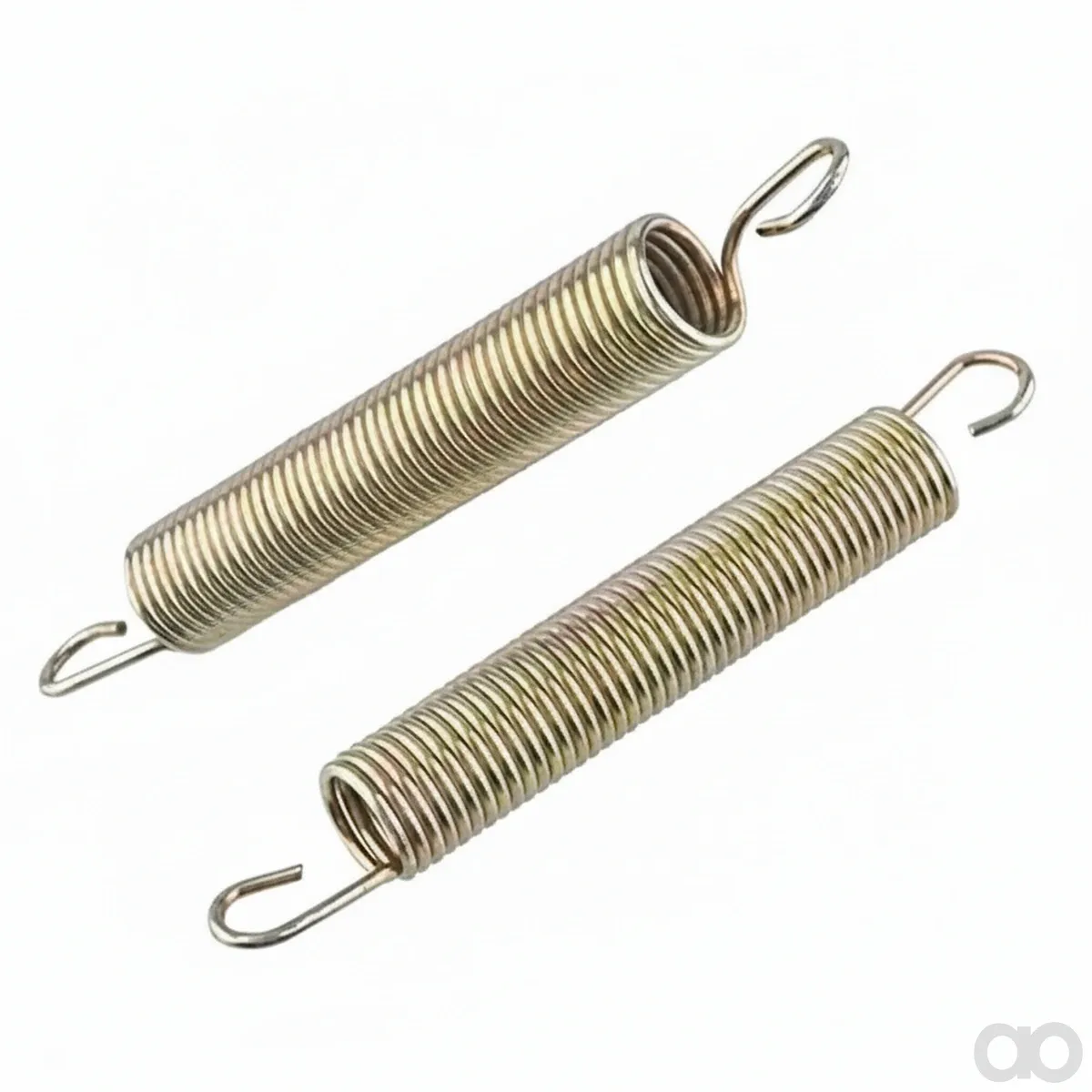
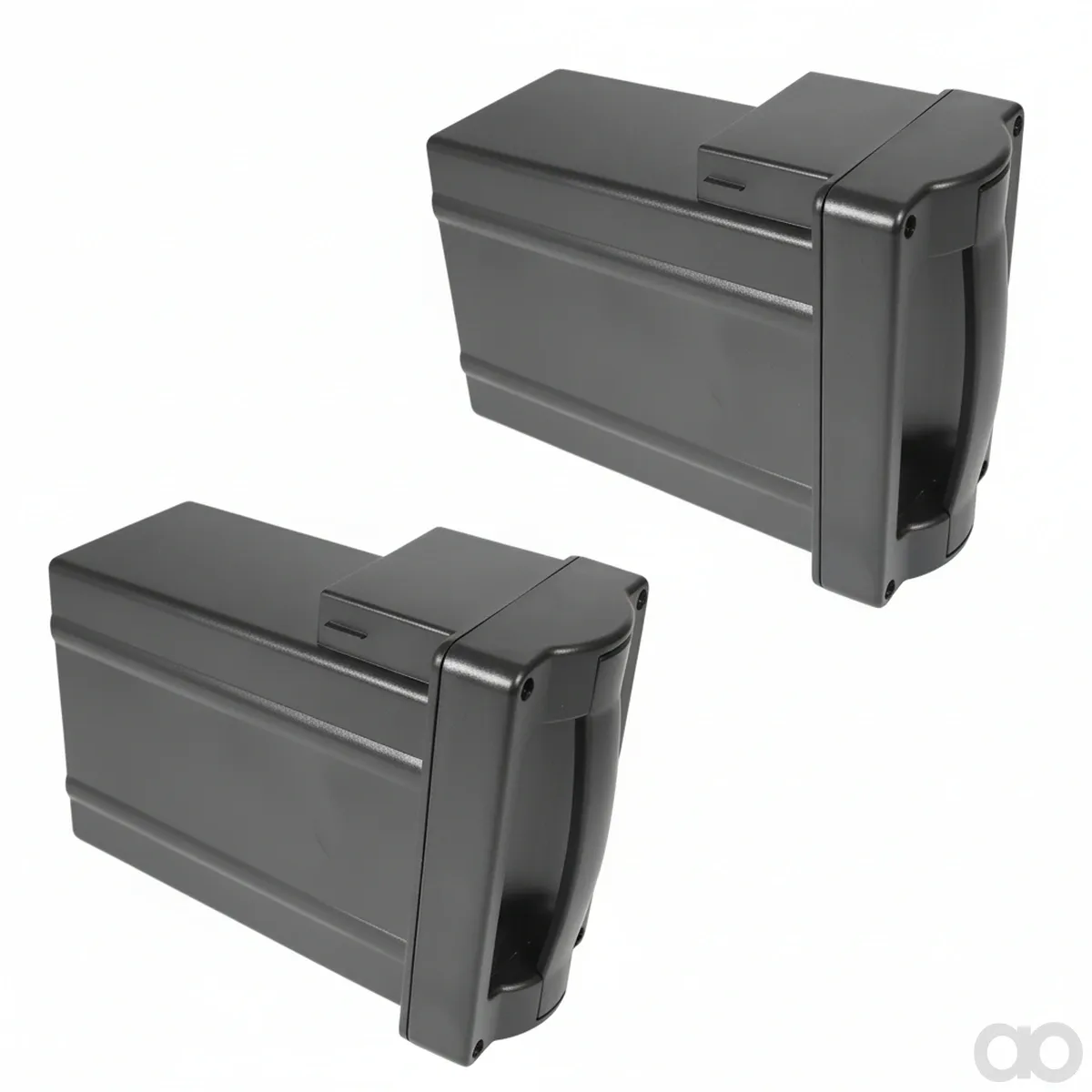
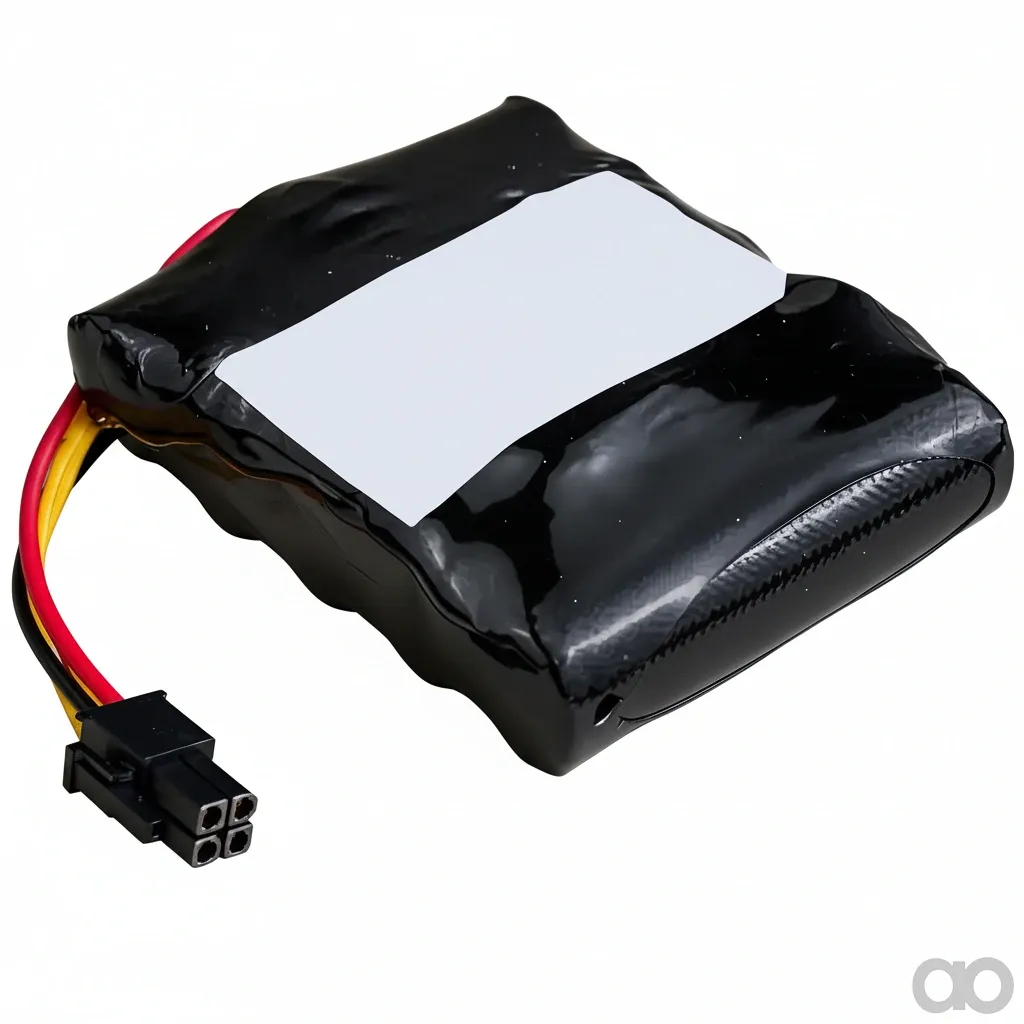
Pellenc - 101621 - Battery AP25/Fixion
Pellenc
€439.93
Showing 1–48 of 1,178 parts
Four to six years is typical for a battery that is kept charged. One that stands discharged over winter can be finished in a single season, because sulphate hardens on the plates and can no longer be converted back by charging.
A healthy 12 V battery reads 12.6 to 12.8 V after resting for a few hours with nothing connected. About 12.4 V means roughly 75 per cent charge, 12.2 V about 50 per cent, and 12.0 V or less is effectively flat. With the engine running, the alternator should hold 13.8 to 14.4 V at the terminals.
About one tenth of the capacity is the standard rate: 10 A for a 100 Ah battery, 18 A for a 180 Ah battery. Charging voltage should be limited to about 14.4 V for flooded batteries and up to about 14.8 V for AGM. A smaller charger works but takes proportionally longer.