(1,026)
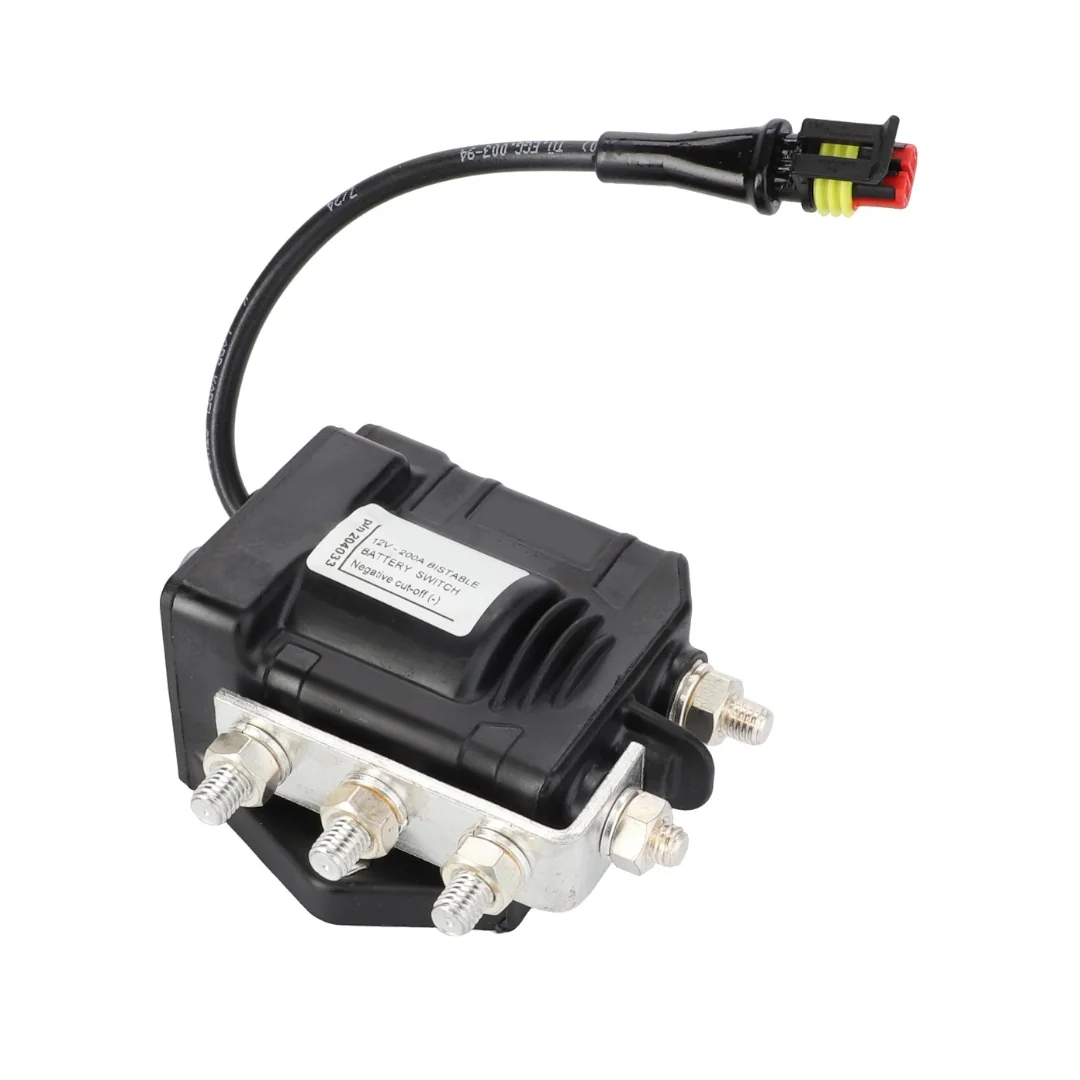
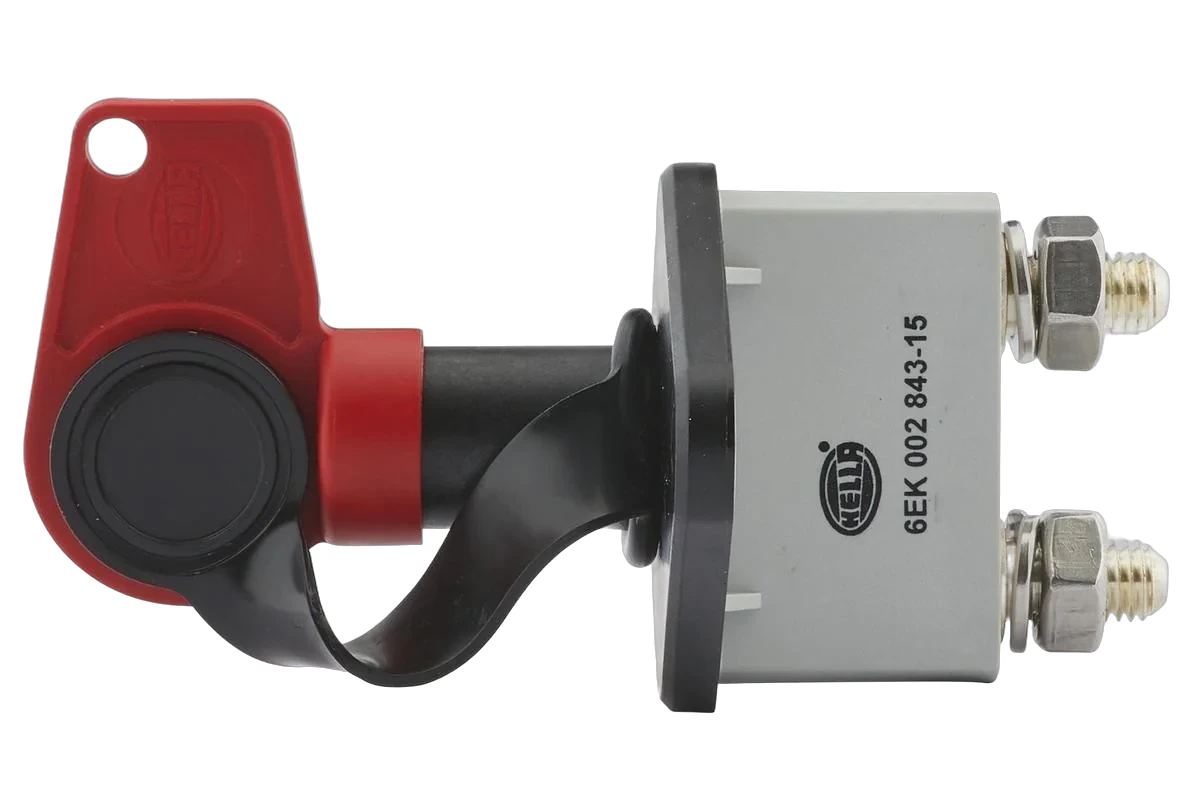
On agricultural and construction machines the negative lead is the usual choice. A switch in the earth lead cannot short to the chassis if its terminals are touched by a tool or a loose cable, and it isolates every circuit including any that are wired directly to the battery positive. Some regulations, such as those for hazardous-goods vehicles, require the positive or both poles to be switched, and the machine's original layout should be followed where one exists.
Two figures matter. The continuous rating, commonly 100 to 300 A, must exceed the total steady load of the machine, including alternator charging current. The peak or intermittent rating, often 1,000 to 2,500 A for a few seconds, must exceed the starter's cranking current, which on a large diesel can reach several hundred amps and briefly more at the instant of engagement. An undersized switch overheats and its contacts weld or burn.
No. Disconnecting the battery from a charging alternator removes the load that steadies the system voltage, and the resulting spike can reach several times nominal voltage, enough to destroy alternator diodes, the voltage regulator and electronic control units. Stop the engine first. Isolators with an auxiliary contact that cuts the alternator field are made for installations where an emergency shut-off under running conditions is required.
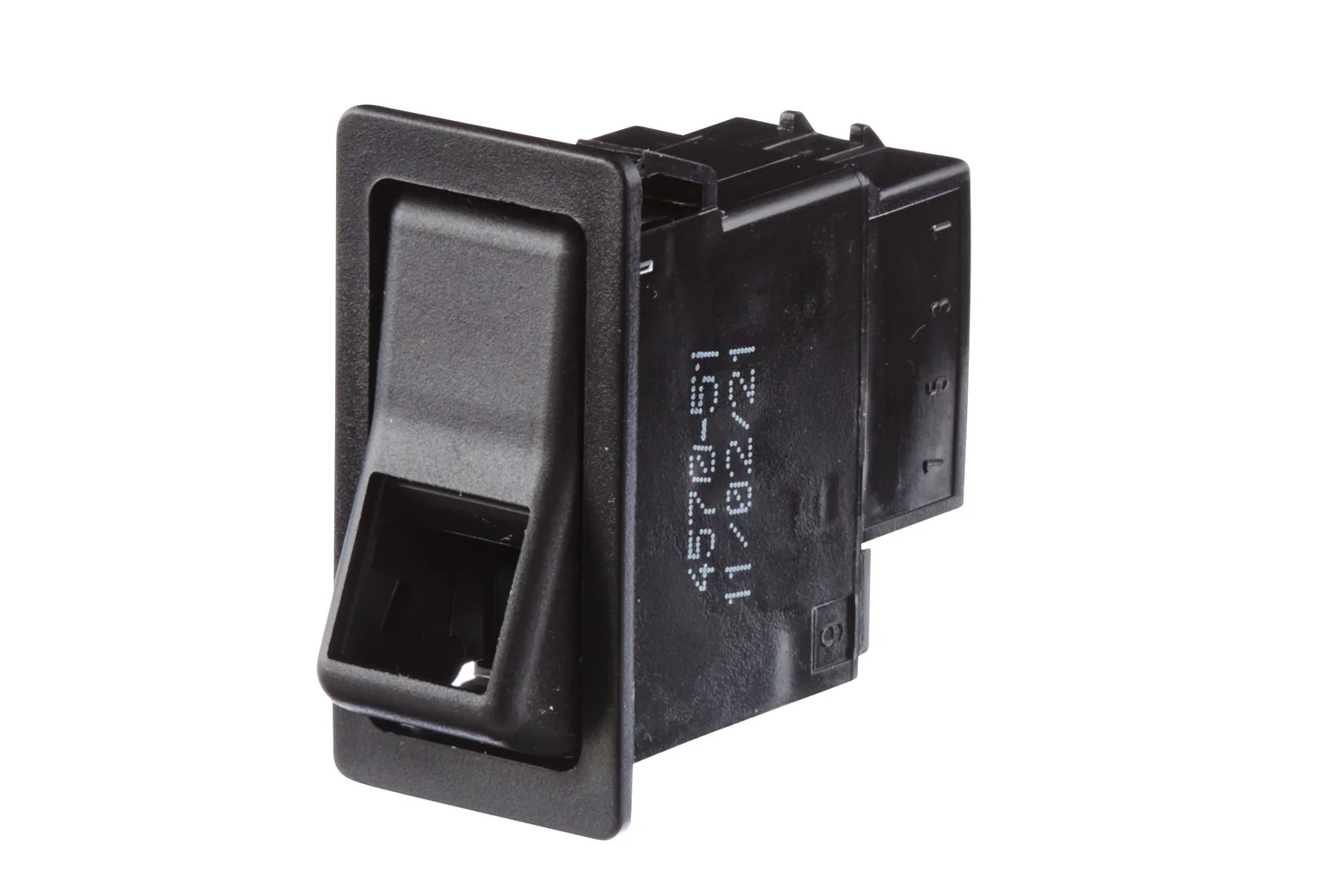
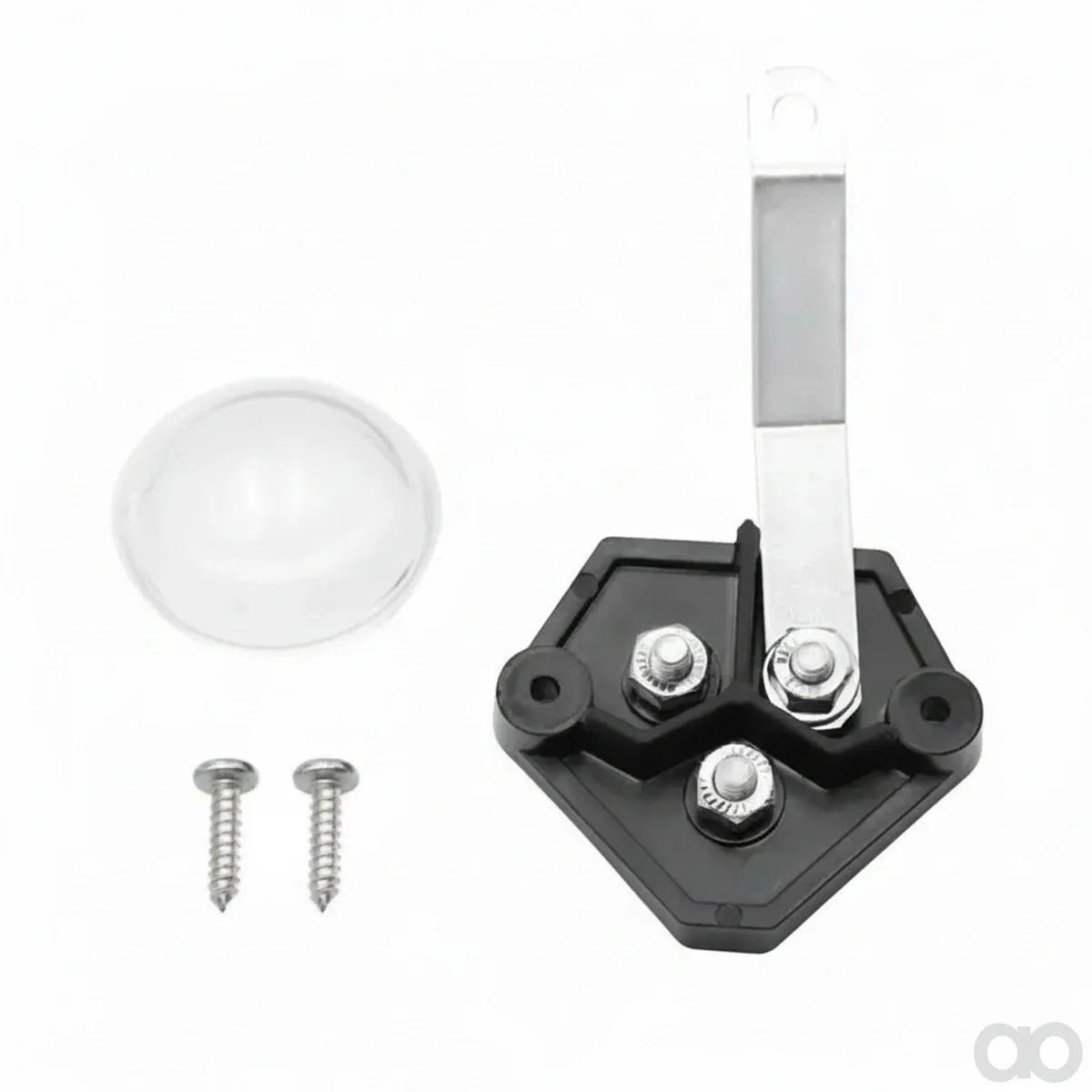
HELLA - 6FH 004 570-511 - Switch, Toggle Actuation, Number of connectors: 3
Hella
€12.50
Showing 1–48 of 1,026 parts
On machines with electronic engine management, wait at least 30 to 60 seconds so the control units can finish writing data and shut down. On machines with SCR after-treatment, the urea pump purges its lines after key-off; this commonly takes one to two minutes and on some machines longer. Isolating earlier leaves fluid in the lines, where it can crystallise or freeze. Many machines show an indicator or delay the isolator automatically.
A standing drain of 30 to 50 mA is normal on a modern machine with control units, a clock and telematics. At 50 mA the battery loses about 1.2 Ah a day, so a 100 Ah battery is half discharged in roughly six weeks, and a lead-acid battery left at half charge begins to sulphate. Opening the isolator reduces the drain to the battery's own self-discharge.
Operating hours, engine calibrations and stored fault codes are held in non-volatile memory and normally survive isolation. Convenience settings that rely on a permanent supply, such as the clock, radio presets and some display or seat memory functions, may be lost. Where a permanent feed is needed for telematics or an immobiliser, it is taken from the battery side of the isolator through its own small fuse.
Heat means resistance at the contacts or at the cable studs. Causes are a switch undersized for the current, burnt contacts from being opened under load, or loose or corroded stud connections. Measure the voltage across the closed switch while cranking: more than about 0.2 V indicates a faulty switch or connection. A hot isolator should be replaced, since its resistance also robs the starter of voltage.