(2,730)
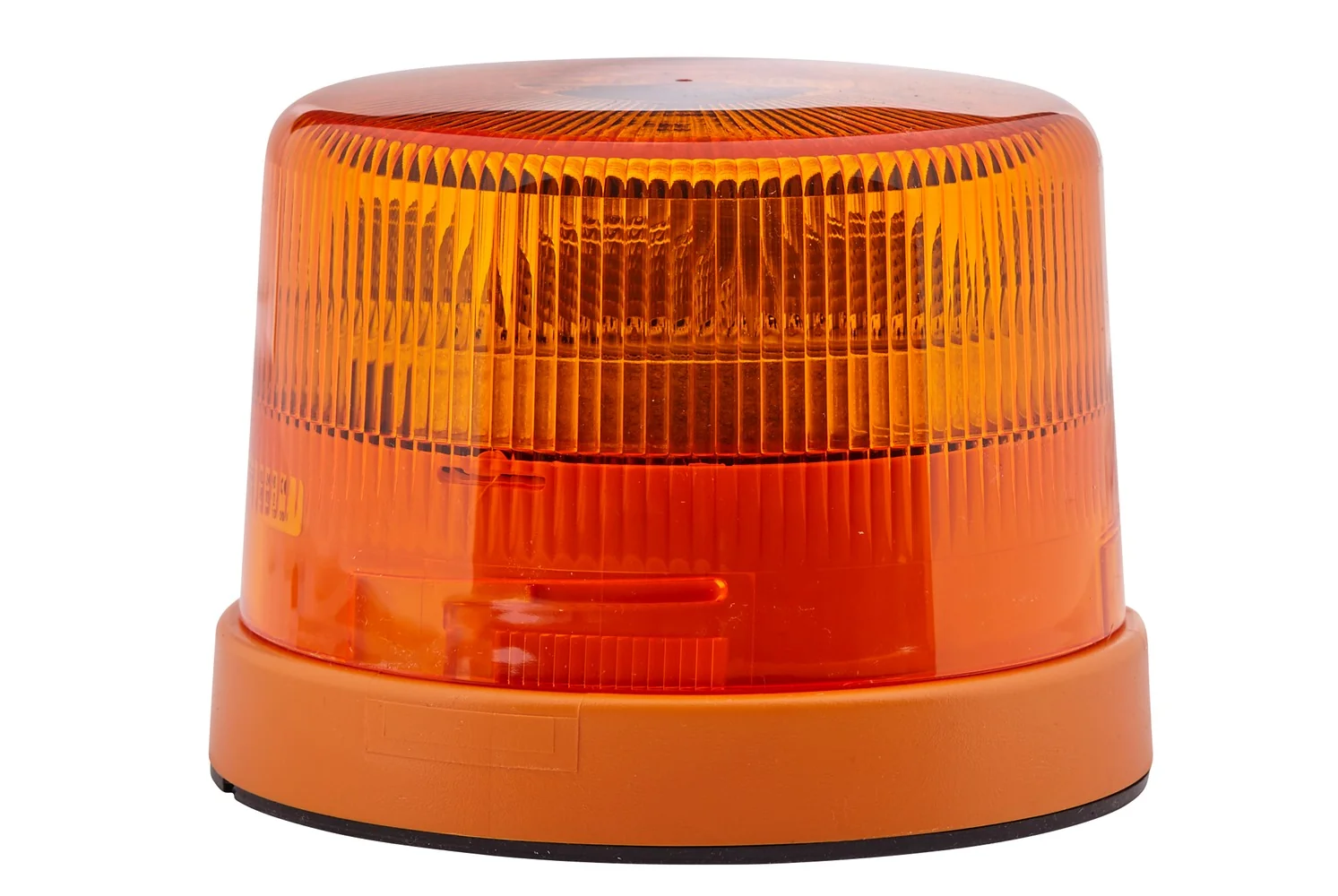
Amber. Across Europe amber is the warning colour for slow, wide or working vehicles, while blue is reserved for emergency services. Whether a beacon is compulsory, and when it may be switched on, is set by national road traffic rules and differs from country to country.
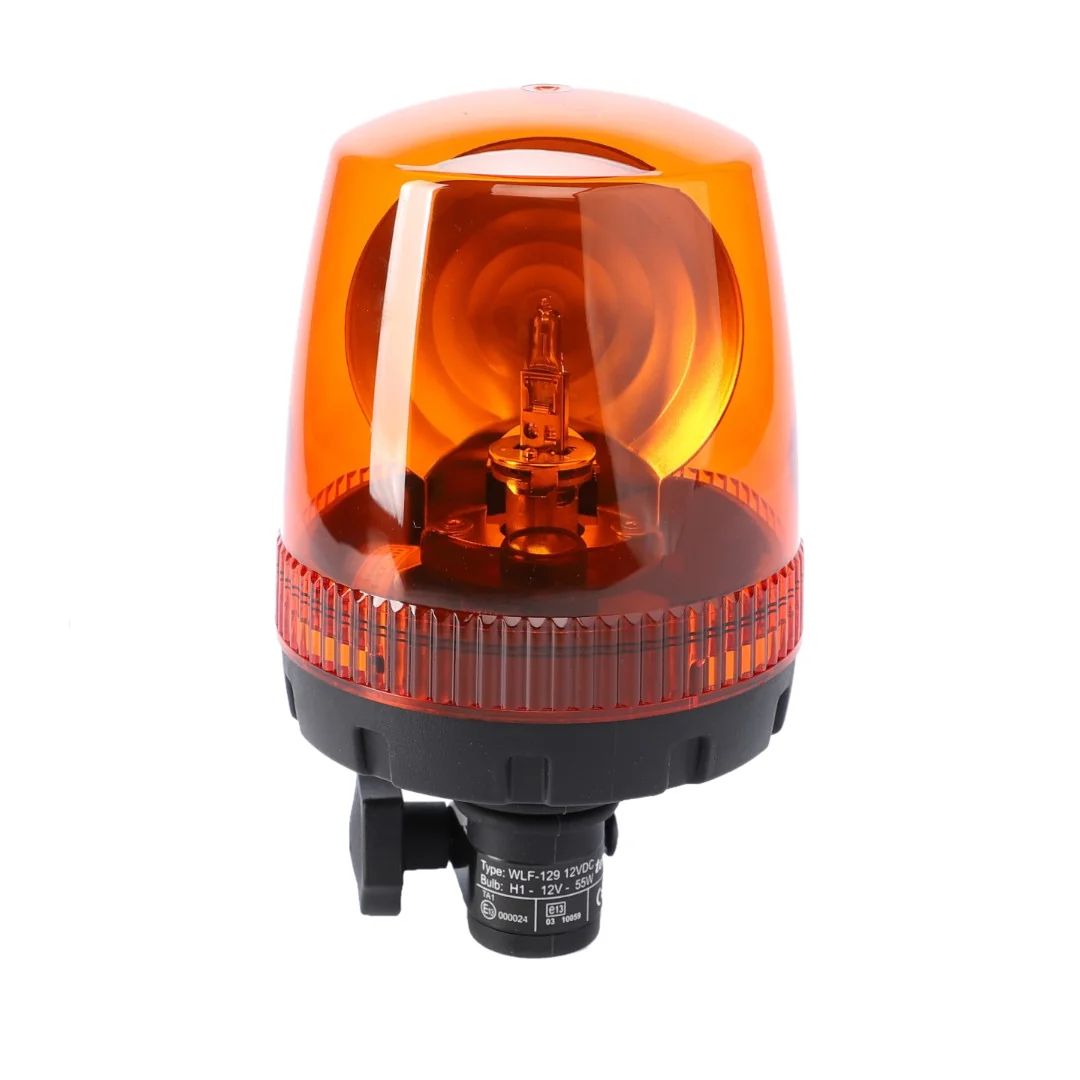
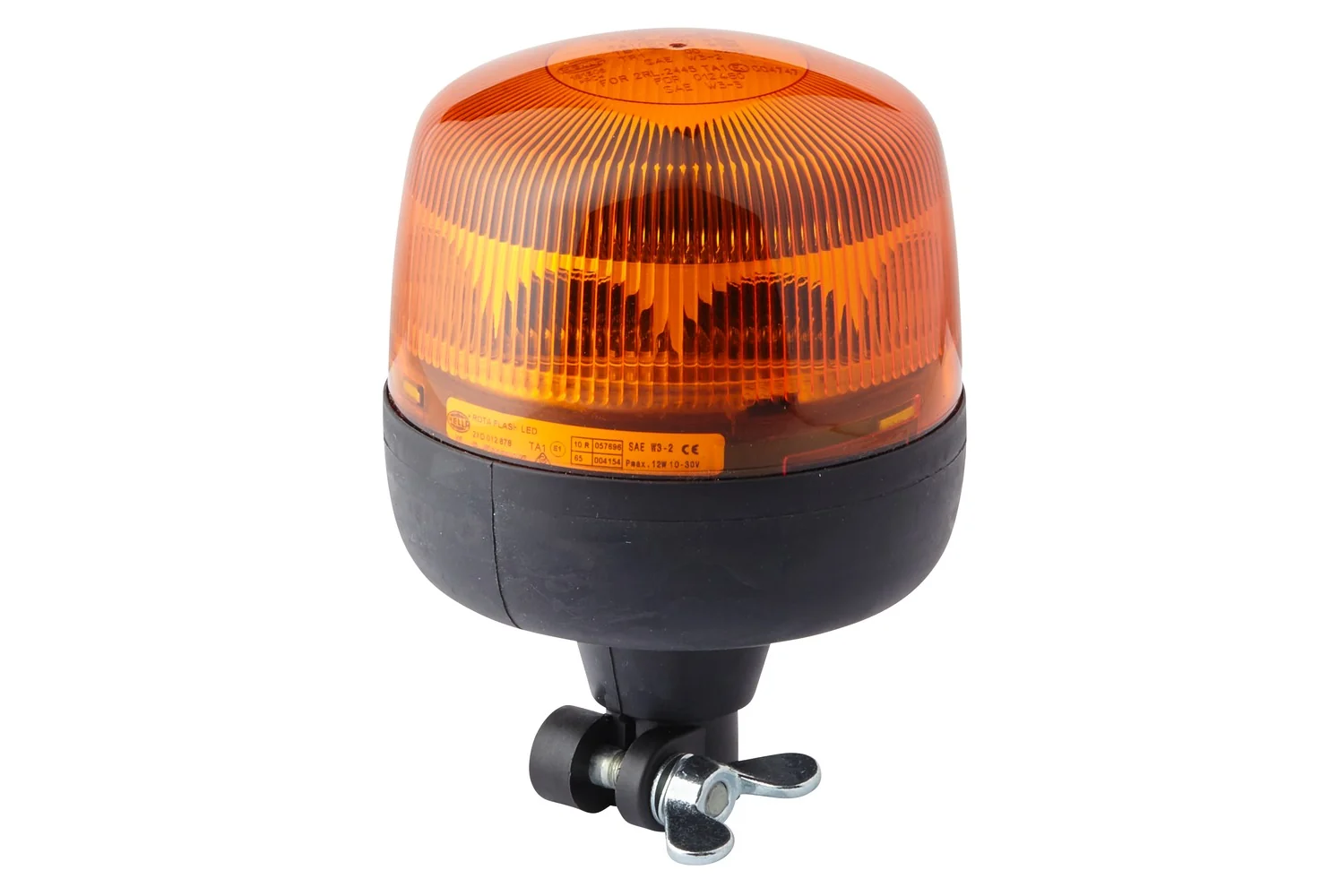
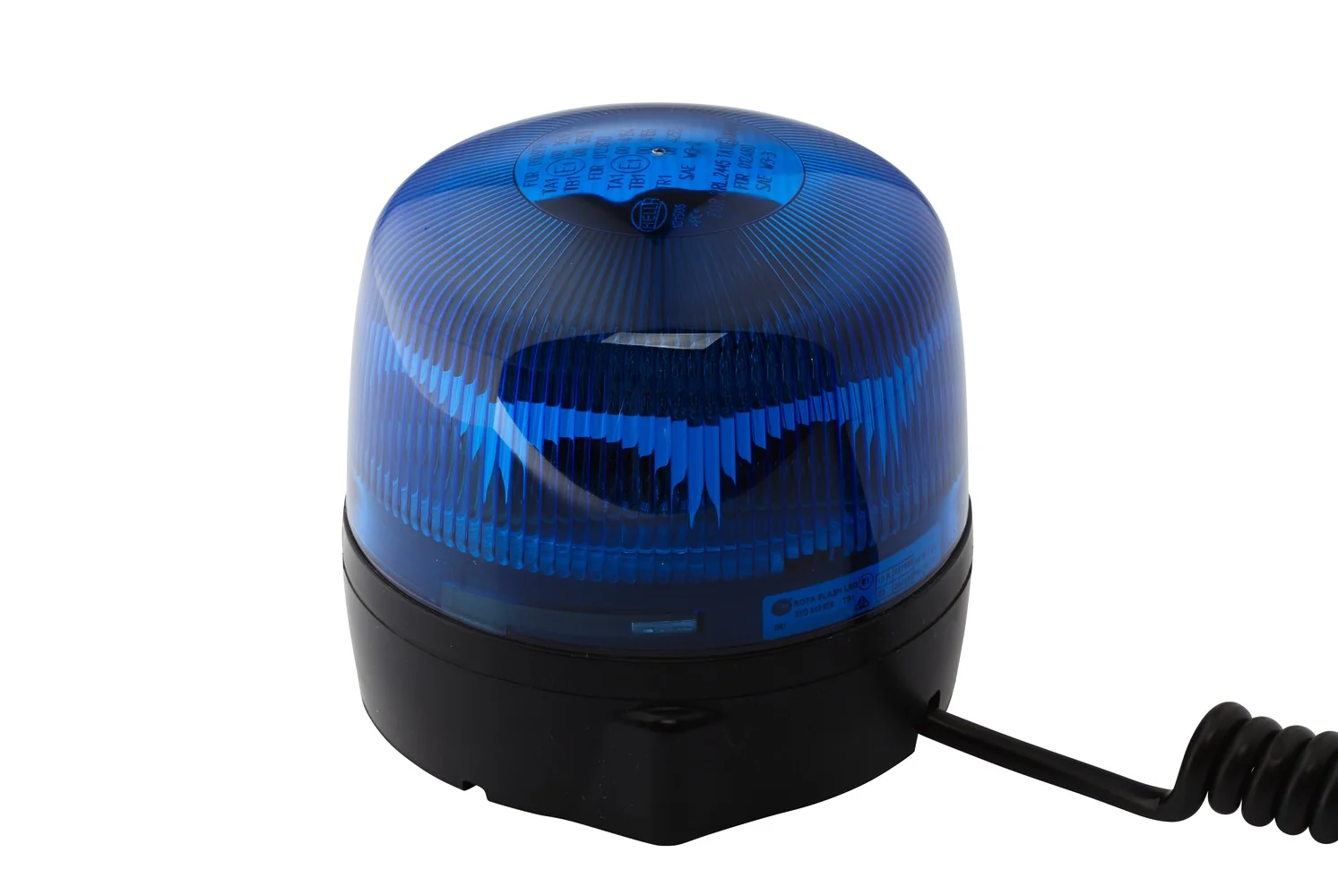
ECE R65 is the UN regulation for special warning lamps and the mark beacon makers work to. The EU has not adopted it, so national rules decide what a vehicle must carry on the road. An approved beacon carries an E-mark with a country number and a class code on the lens; TA1, for example, is an amber rotating or flashing beacon with one intensity level, and TA2 has separate day and night levels. An unmarked beacon is suitable for site use only.
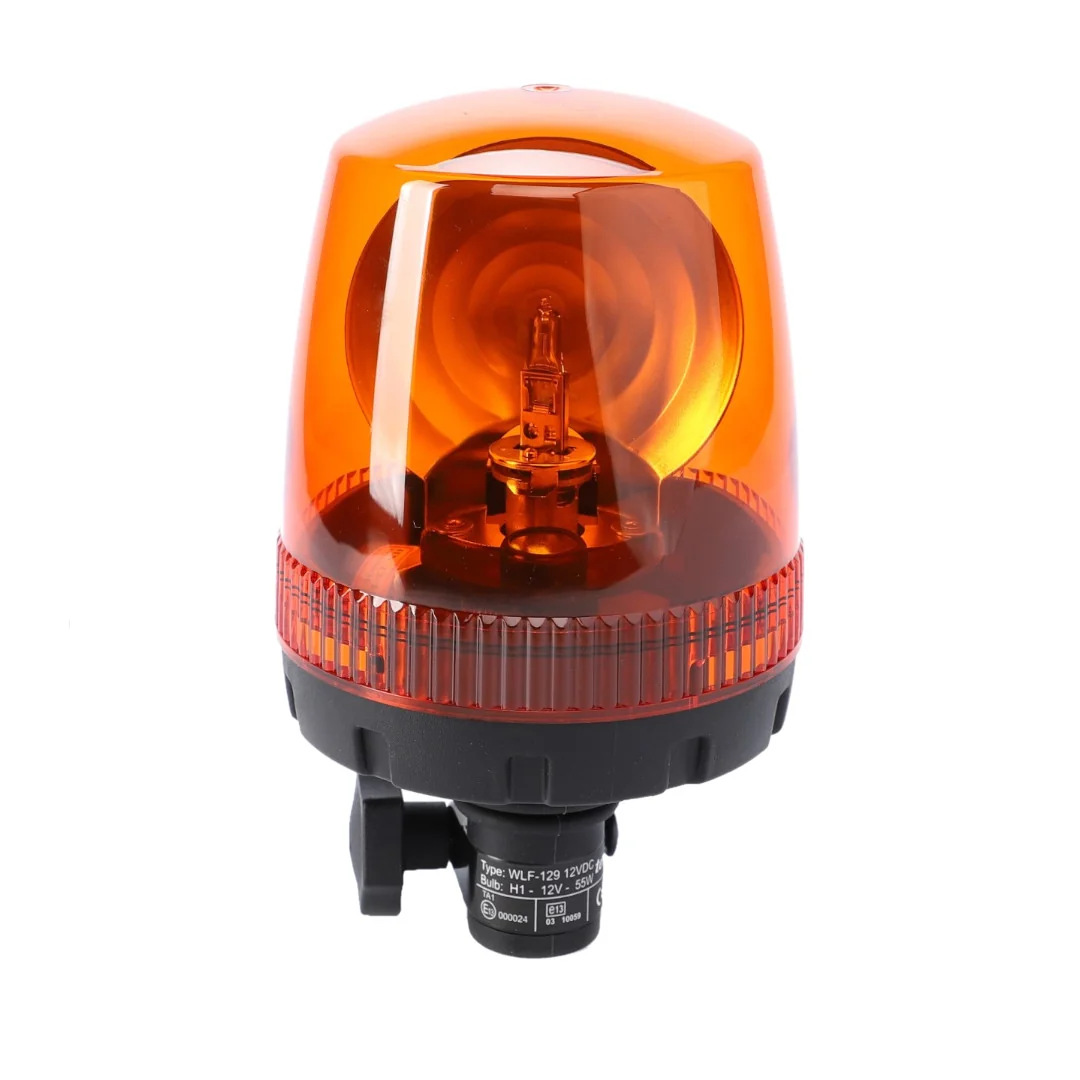
Many LED beacons are multi-voltage, typically 10 to 30 V, and work on both. Halogen beacons are voltage-specific because of the bulb: a 12 V bulb on a 24 V supply fails immediately, and a 24 V bulb on 12 V glows too dimly to be of use.
A 55 W halogen beacon draws about 4.6 A at 12 V plus the motor, and a 70 W unit about 2.9 A at 24 V. LED beacons typically draw 0.5 to 2 A. A 7.5 or 10 A fuse suits a halogen beacon and 3 to 5 A an LED one.
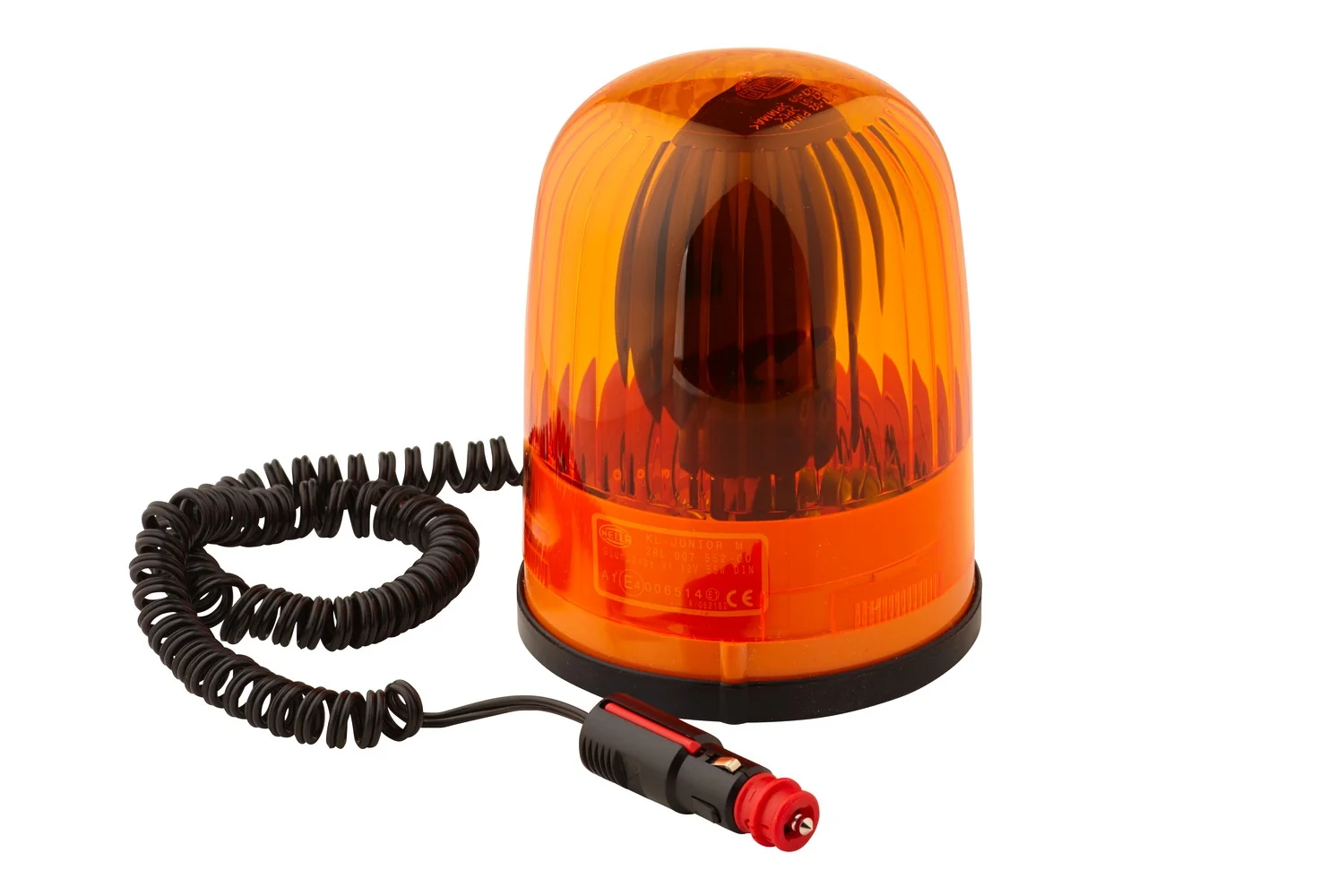
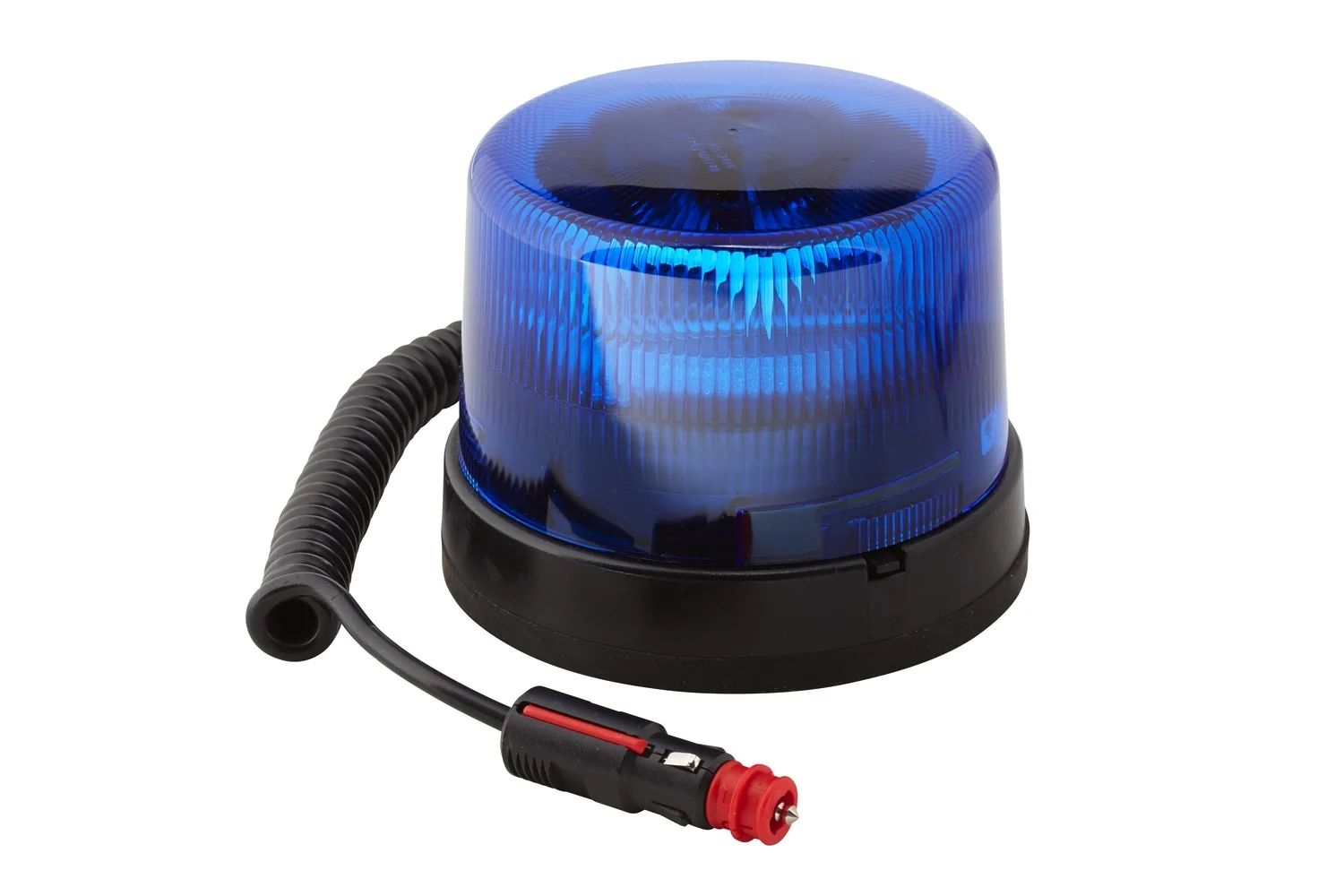
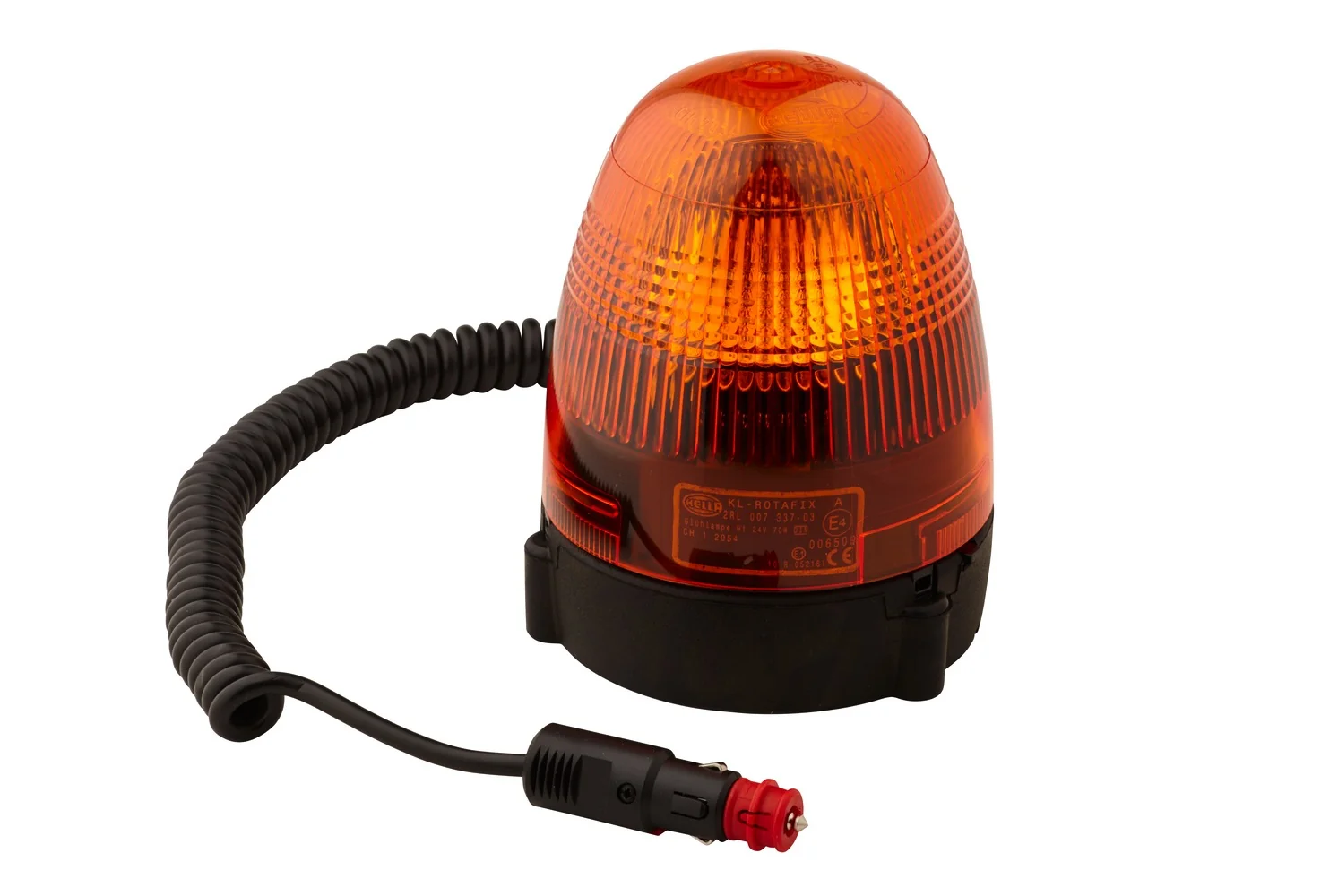
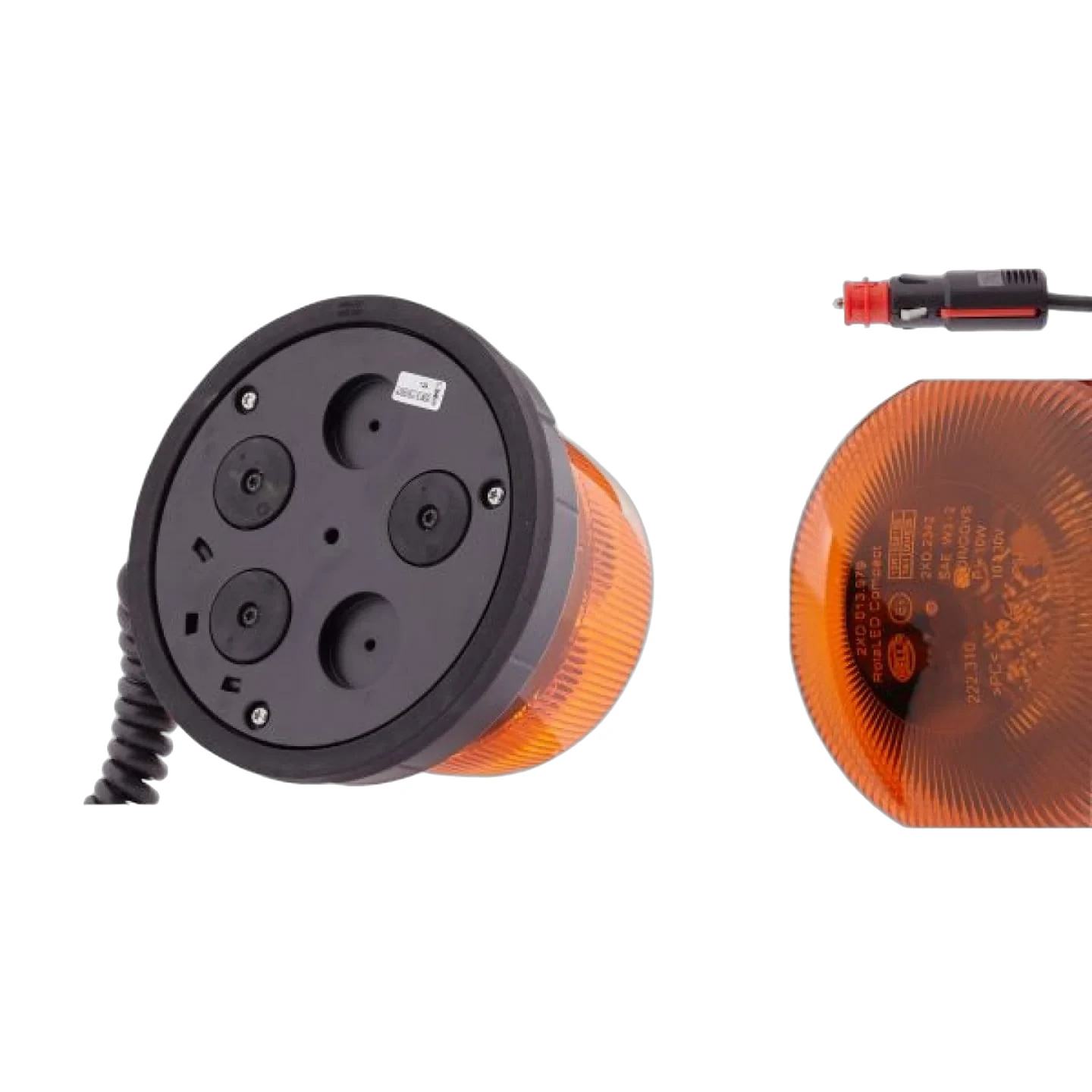
Each magnetic beacon has a maximum speed stated by its maker, and that figure applies only on a clean, flat steel surface. Single-magnet units are generally rated lower than three-magnet ones. They do not hold on aluminium, plastic or glass-fibre roofs, where a fixed or pole mount is needed.
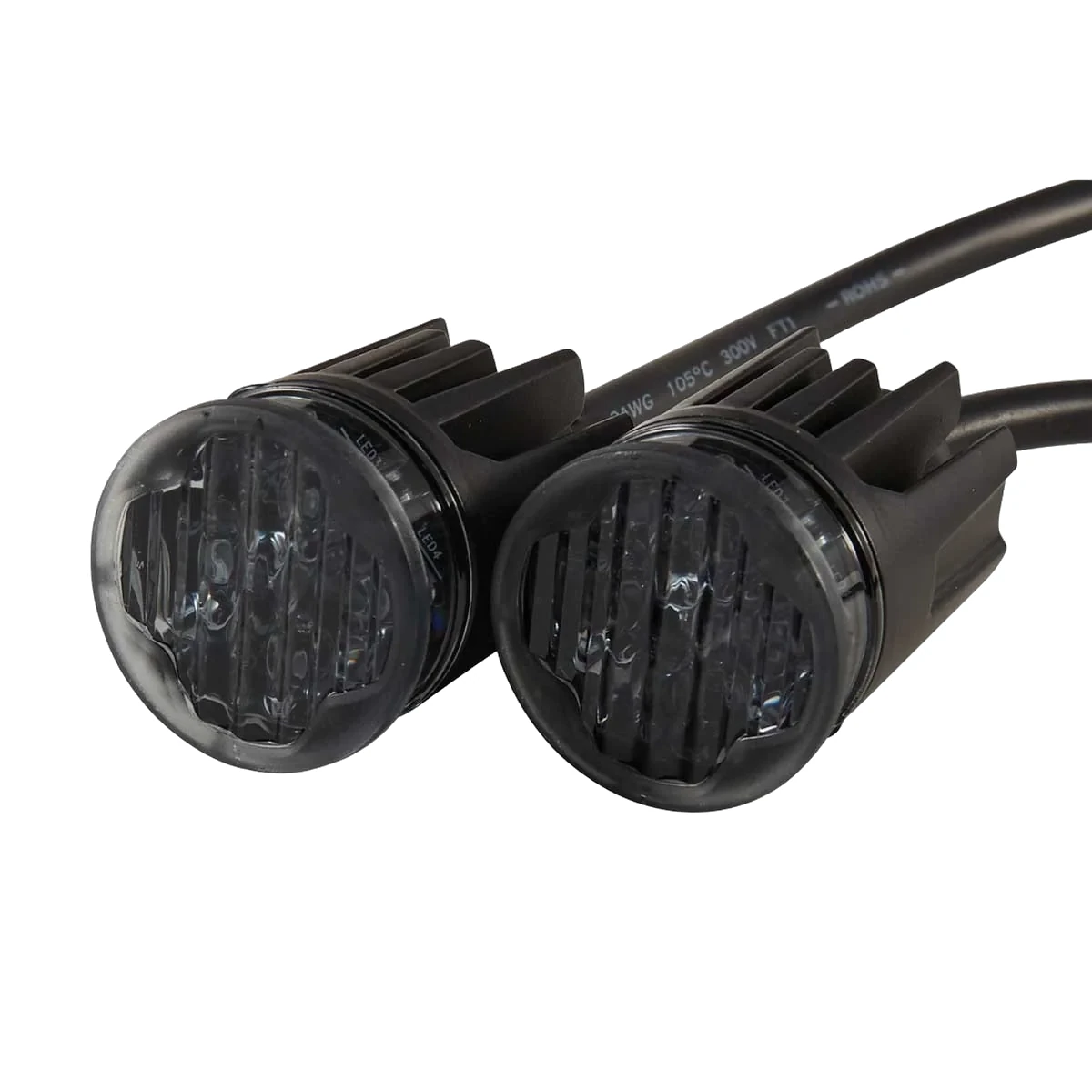
The driver electronics in an LED beacon switch at high frequency and can radiate interference if poorly suppressed. A beacon marked to ECE R10 has been tested for this. Mounting the beacon away from the aerial or guidance receiver and routing its supply cable separately from antenna leads also reduces the problem.
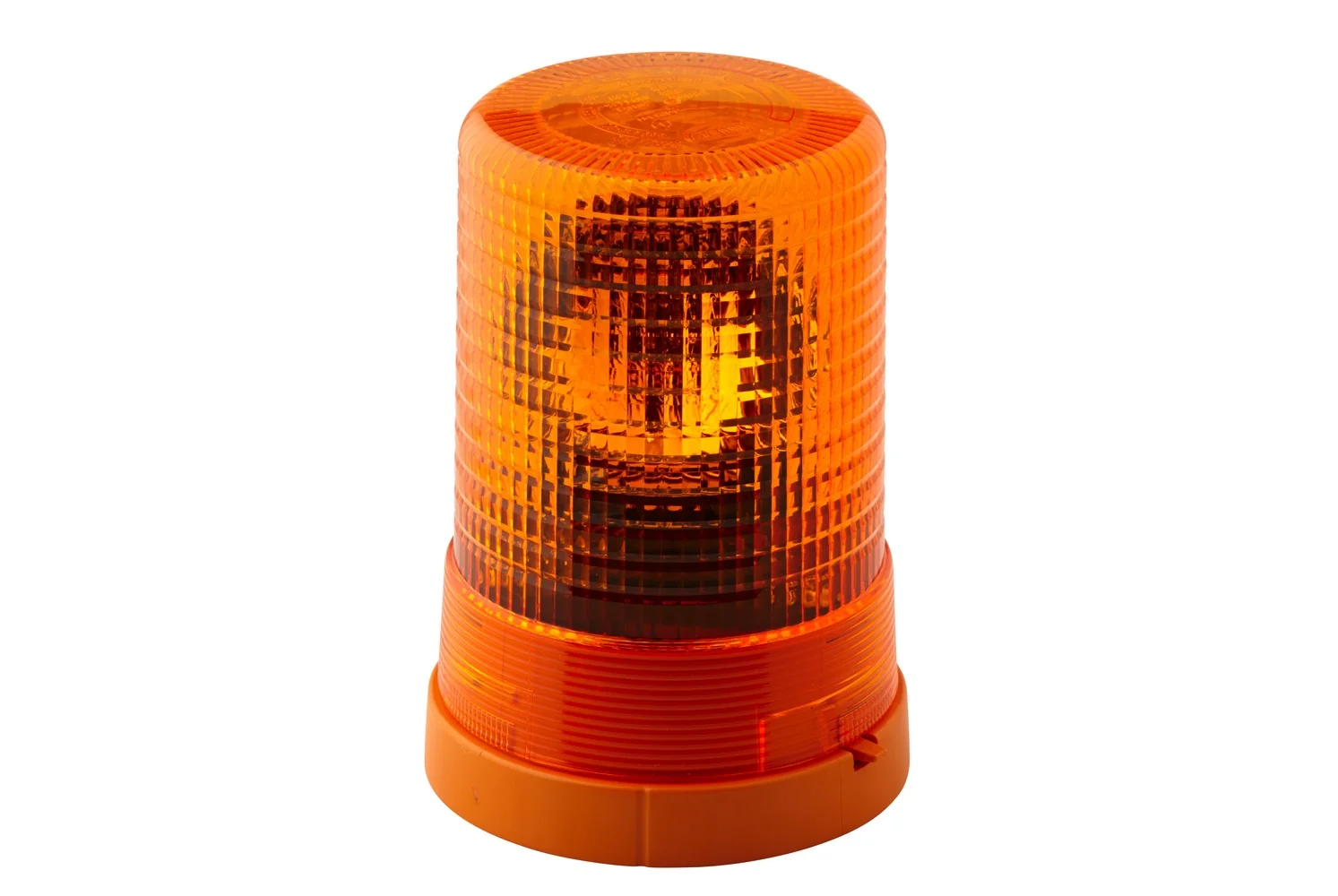
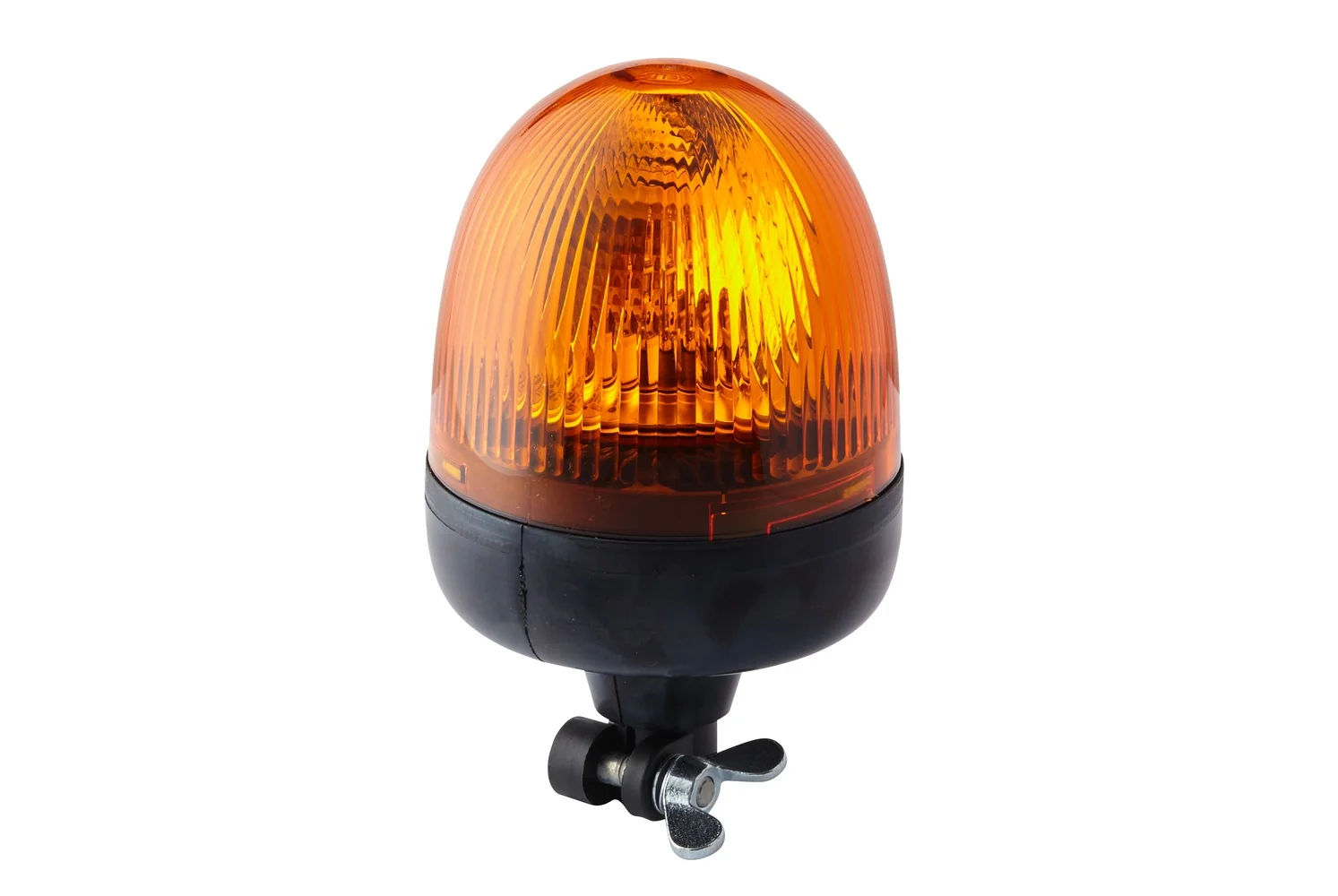
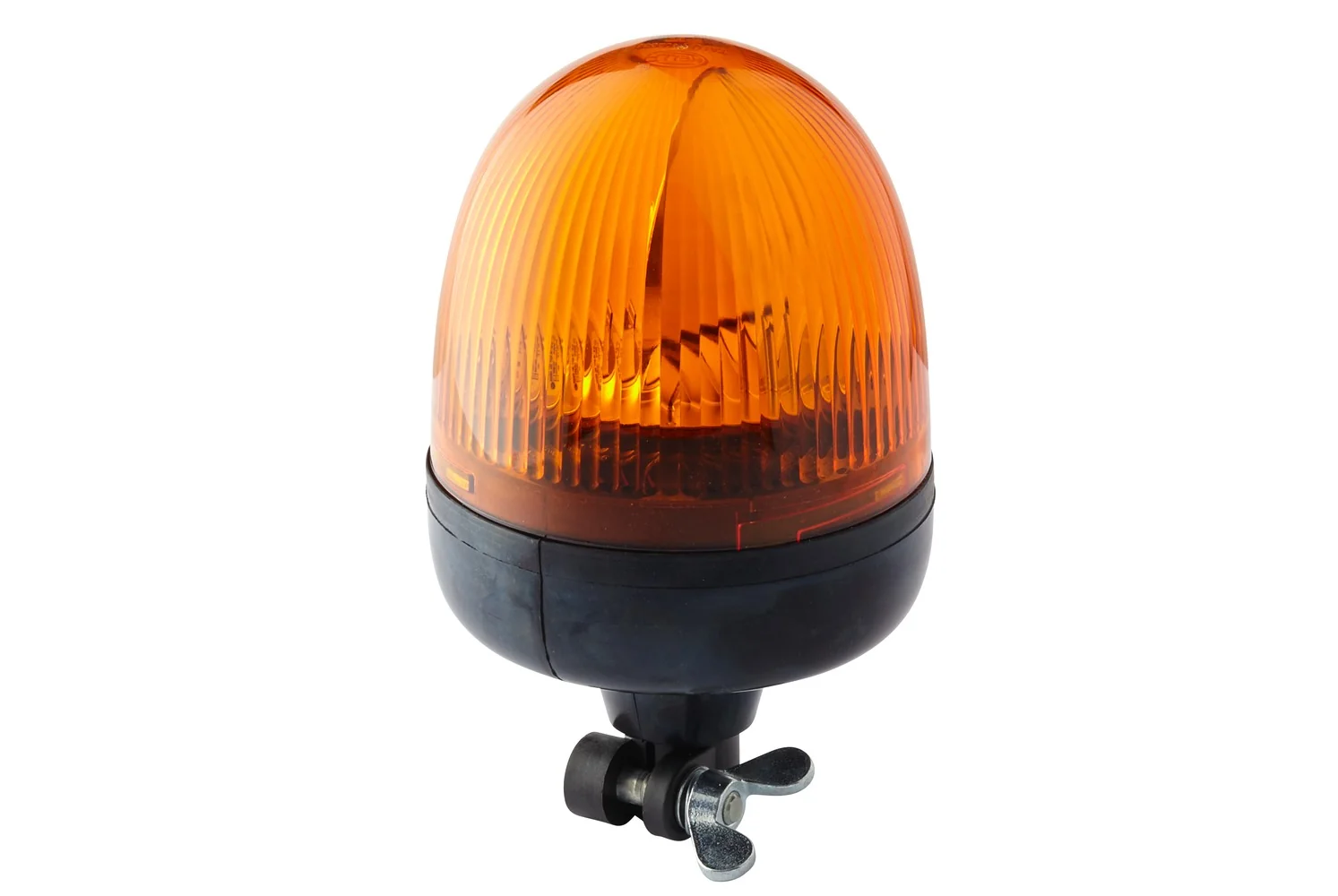
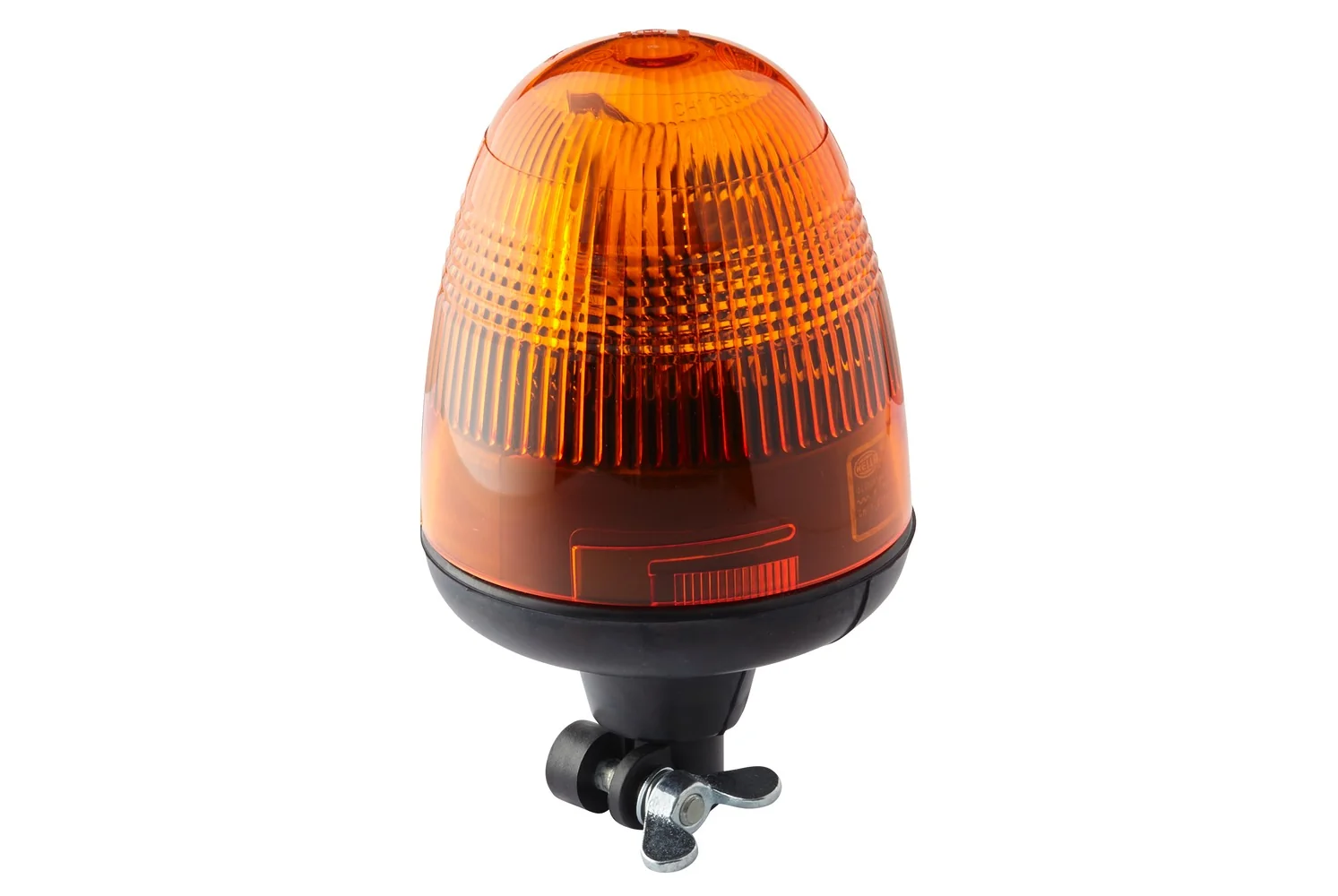
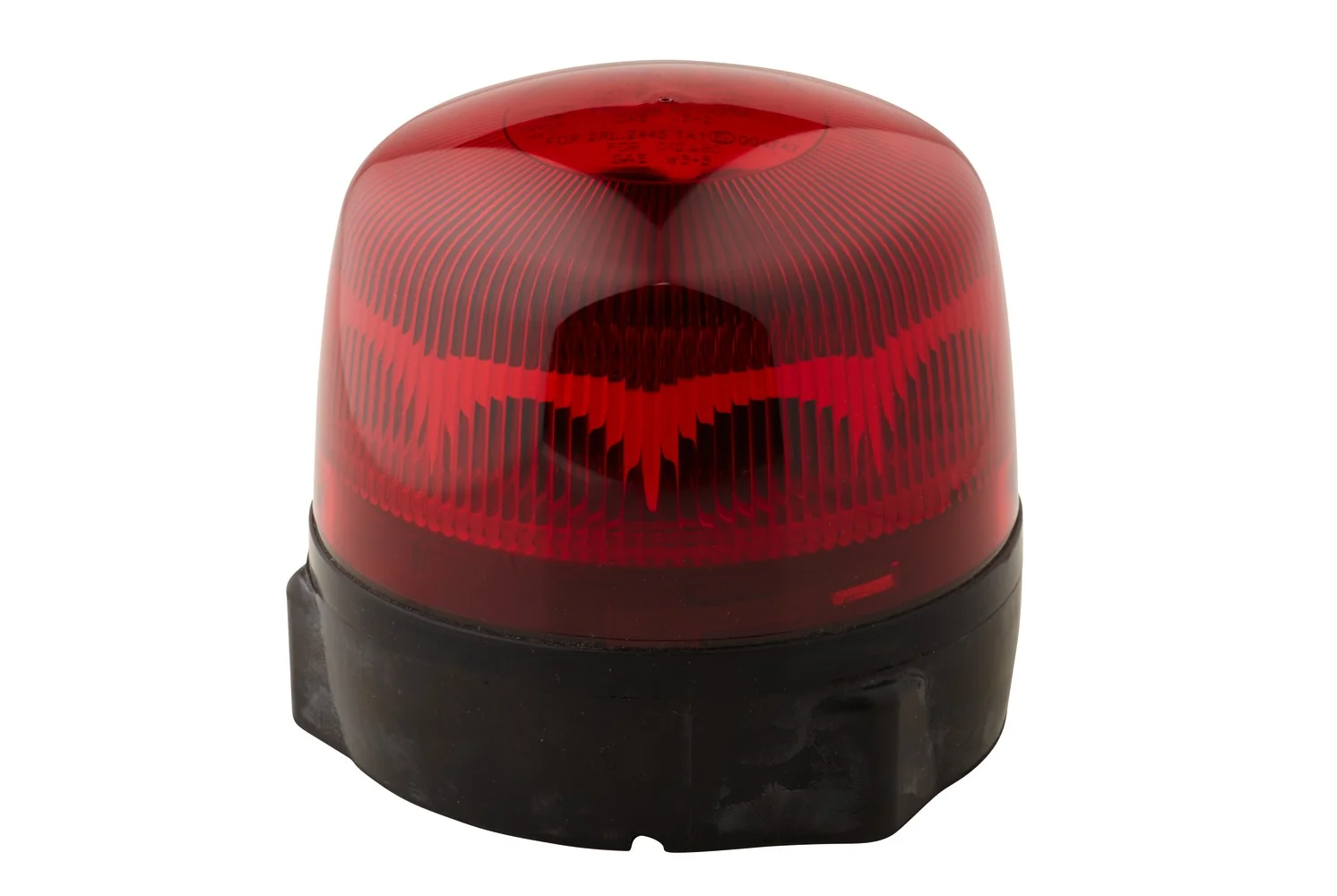
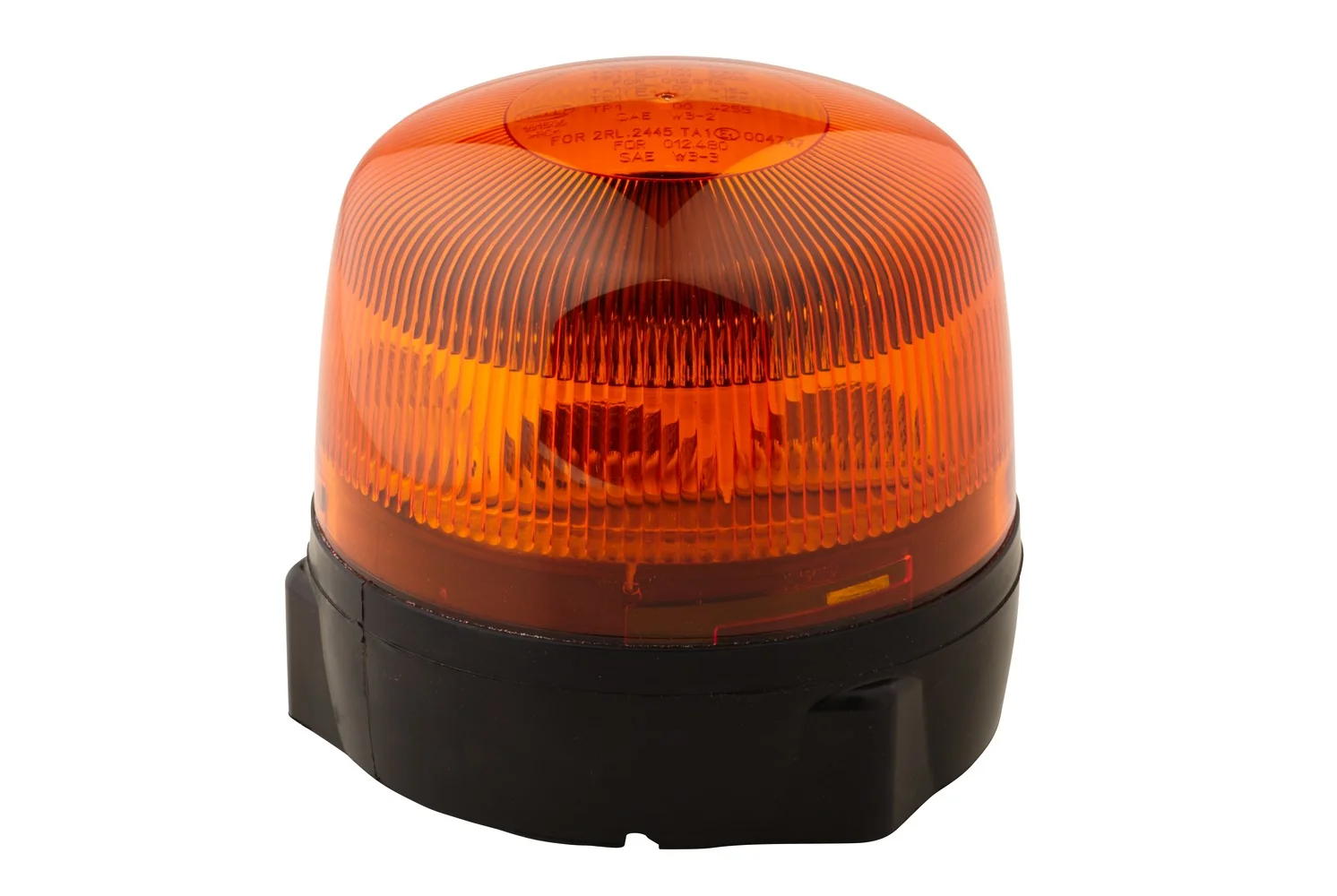
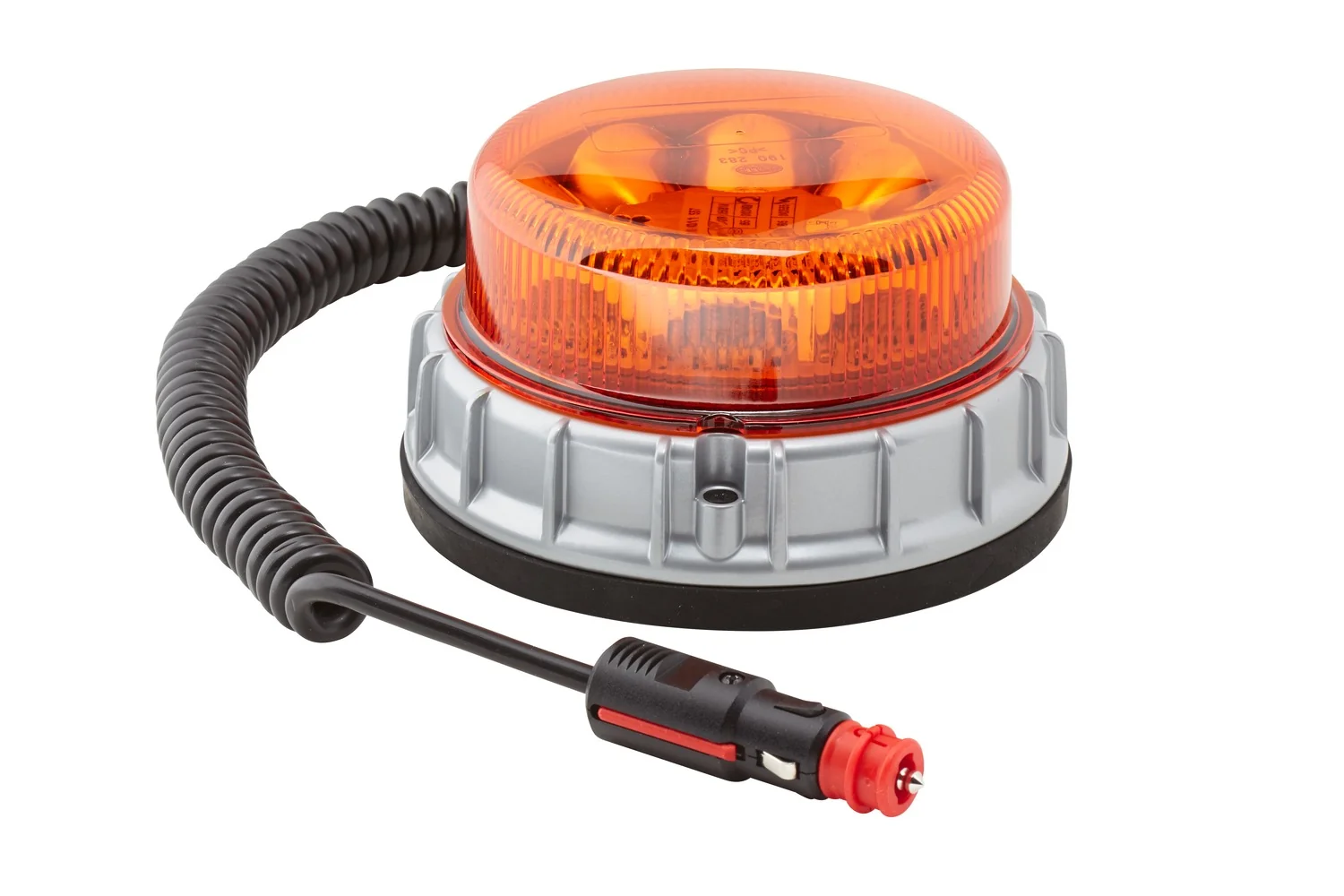
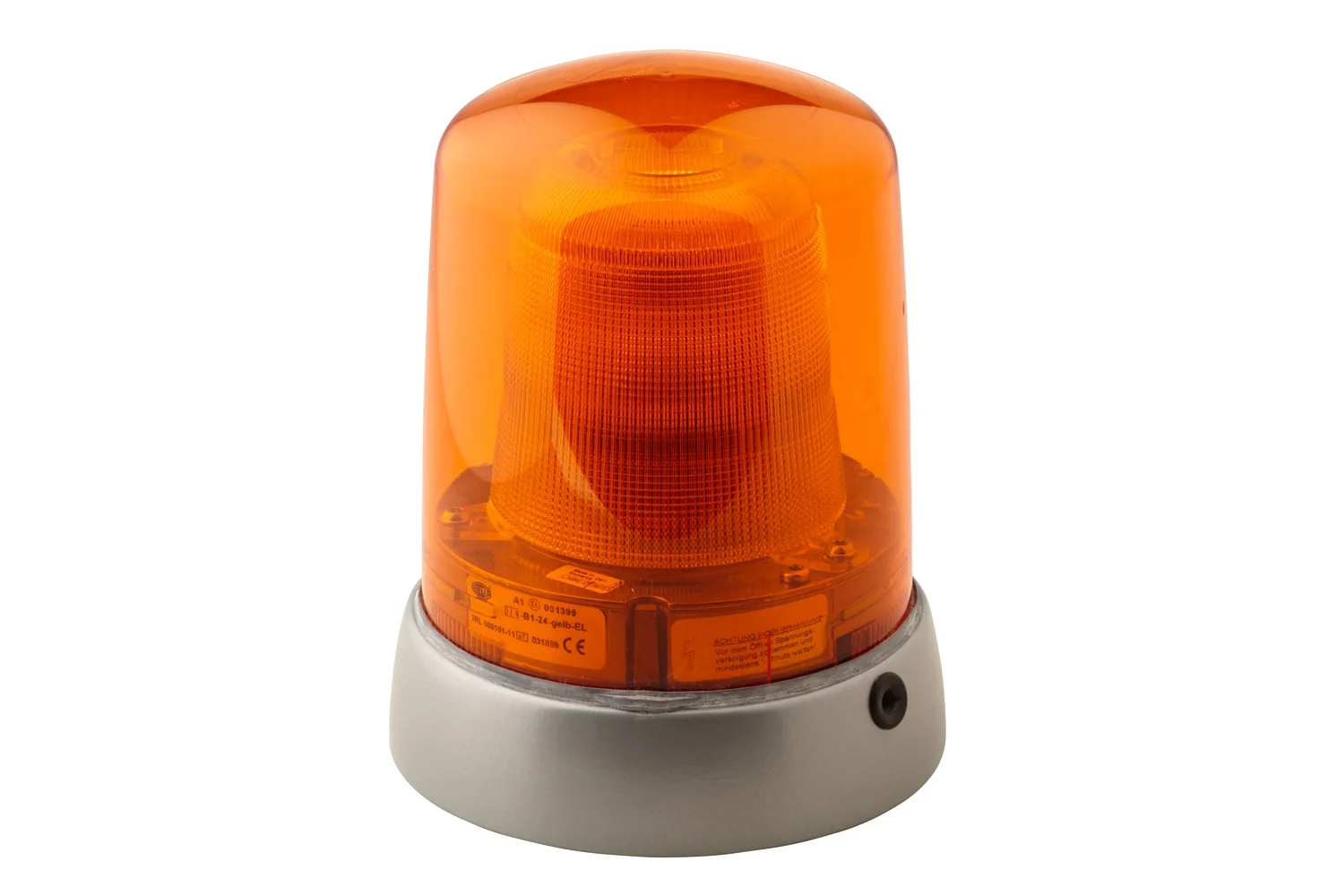
HELLA - 2RL 006 295-111 - Halogen-Rotating Beacon, KL 710, 24V, yellow (amber)
Hella
€73.17
Showing 1–48 of 2,730 parts