(1,937)
Yes. With flat-faced followers, also called tappets or lifters, each follower beds in to its own lobe, and a used follower run against a new lobe typically destroys it within a few hours. New followers are fitted with every new camshaft. Roller followers are the exception: they can be reused if the rollers turn freely, show no pitting or flat spots and have no play on their pins.
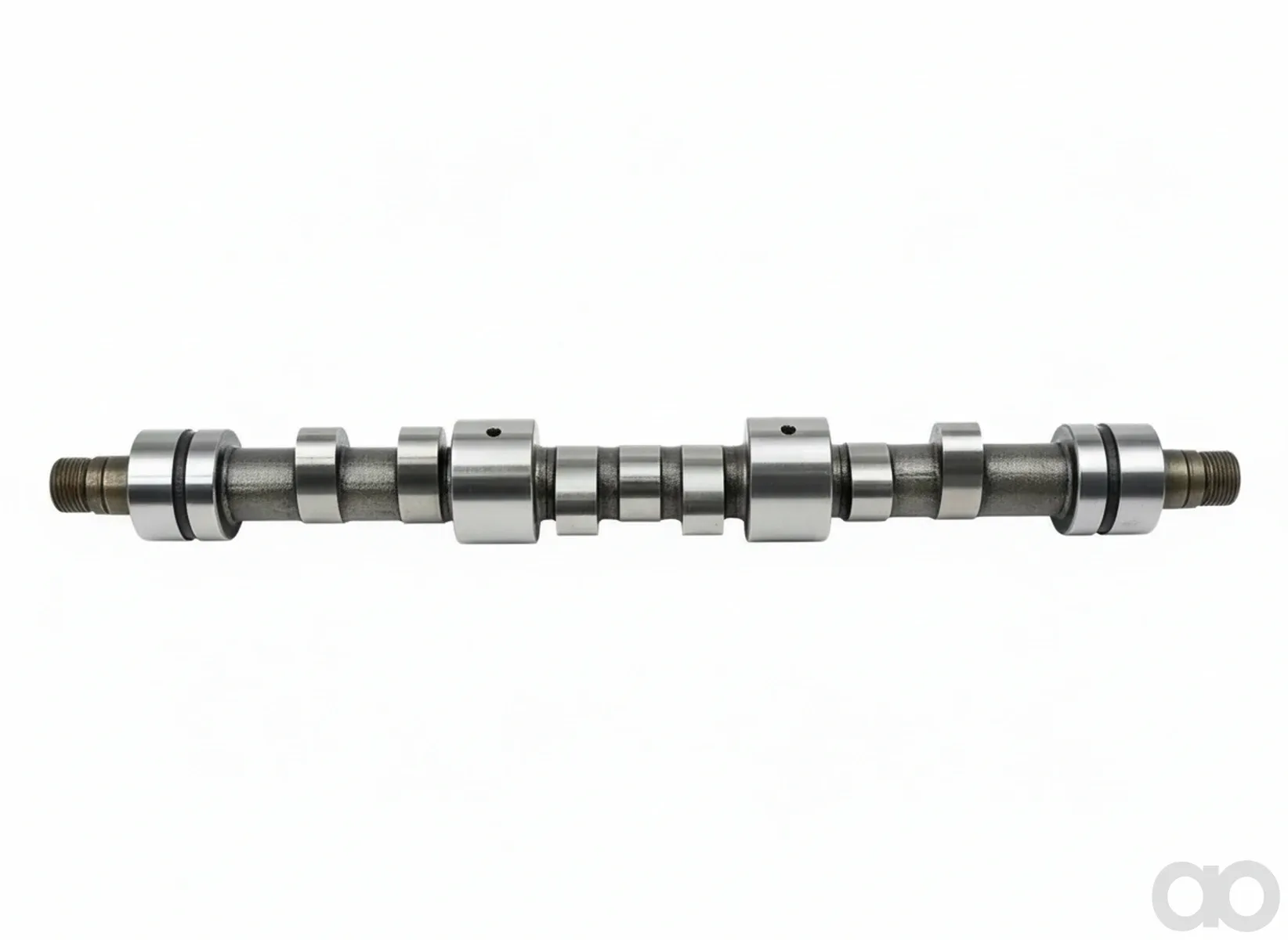
Measure each lobe with a micrometer across the nose-to-heel height and again across the base circle at 90 degrees; the difference is the lobe lift. Compare all intake lobes with one another and all exhaust lobes with one another. A lobe that is more than about 0.1 to 0.25 mm lower than its neighbours, or any lobe showing pitting, scoring or a ridge at the edge, indicates a worn camshaft. Lift can also be checked in the engine with a dial gauge on the pushrod or rocker.
Typical signs are a gradual loss of power, a misfire or rough running on one cylinder, valve clearance that keeps opening up after adjustment, and a rhythmic tapping from the valve gear at half engine speed. Fine metallic particles in the oil or filter often accompany lobe failure. Because a worn lobe reduces valve lift on one cylinder only, a compression test may still read normal.
Camshaft end float on most tractor and industrial engines falls between about 0.05 and 0.25 mm, controlled by a thrust plate behind the timing gear or by a thrust face in the block. Measure it with a dial gauge on the end of the shaft while levering the camshaft fully back and forward. Excessive end float lets a helical timing gear walk the shaft and causes a knock at the front of the engine; it is corrected by replacing the thrust plate.
Coat the lobes and follower faces with assembly lubricant, prime the oil system, and start the engine without prolonged cranking. For a flat-follower camshaft, hold engine speed at roughly 1,500 to 2,000 rpm for the first 20 minutes, varying it slightly, and avoid idling during that period, since lobe lubrication depends on oil thrown from the crankshaft. Change the oil and filter after the first few hours of work.
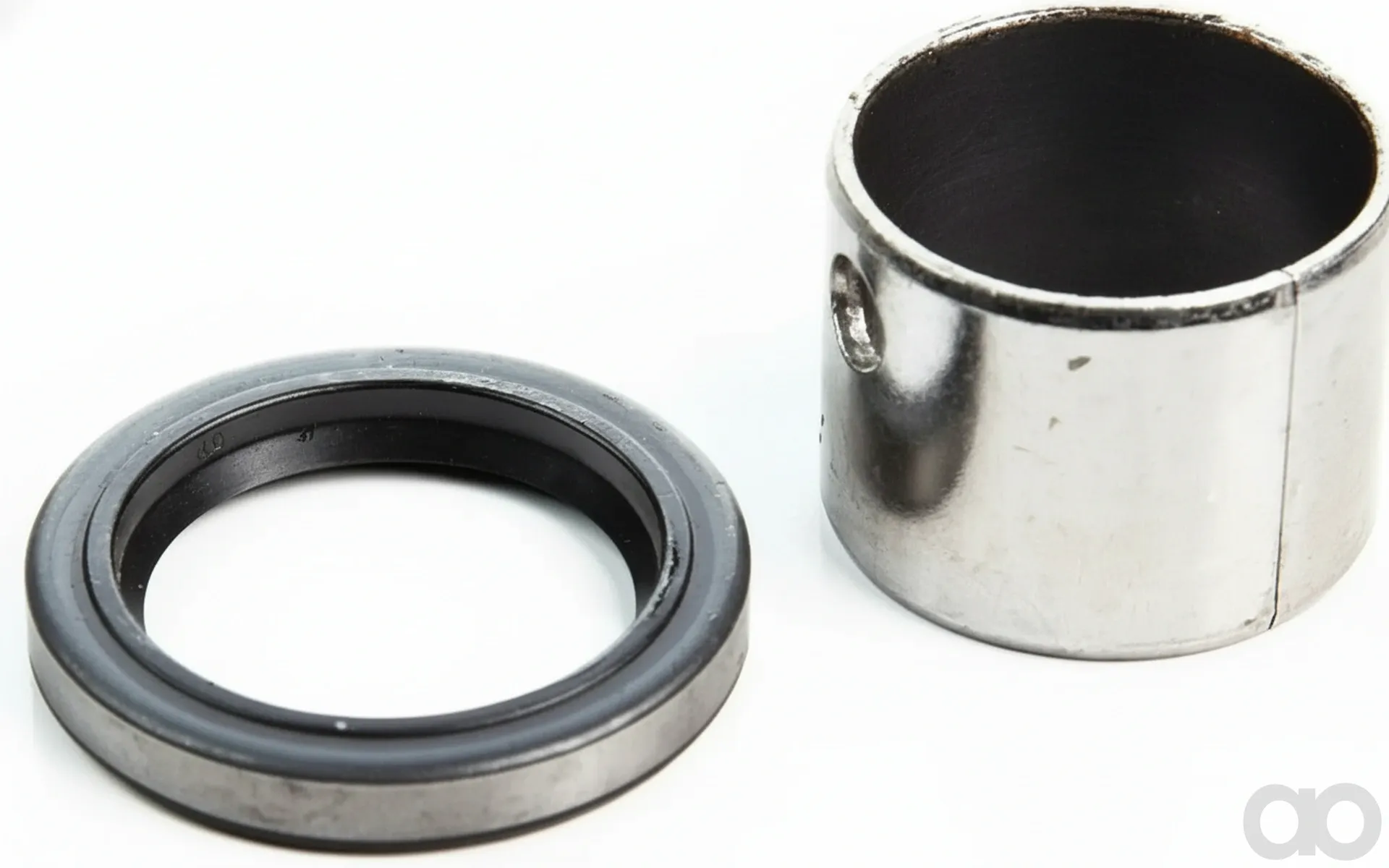
Yes. Camshaft journals are pressure-fed, and worn bearings or journals allow oil to escape faster than the pump can supply it, most noticeably at hot idle. Typical running clearance is about 0.05 to 0.10 mm, and clearance beyond roughly 0.15 mm is usually treated as worn. On engines where the camshaft runs directly in the block, correction means machining the block to accept bearings or oversize journals.
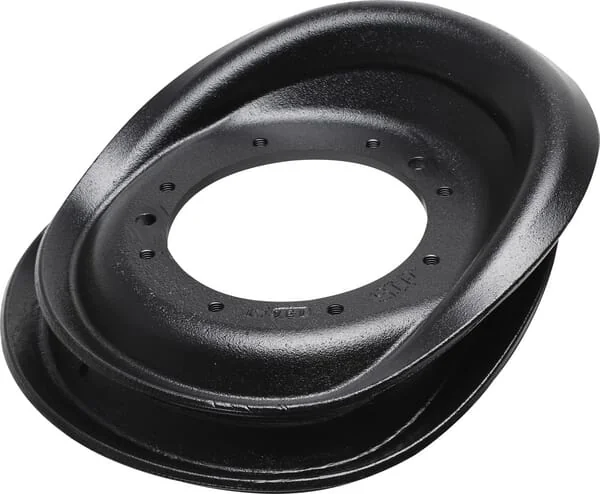
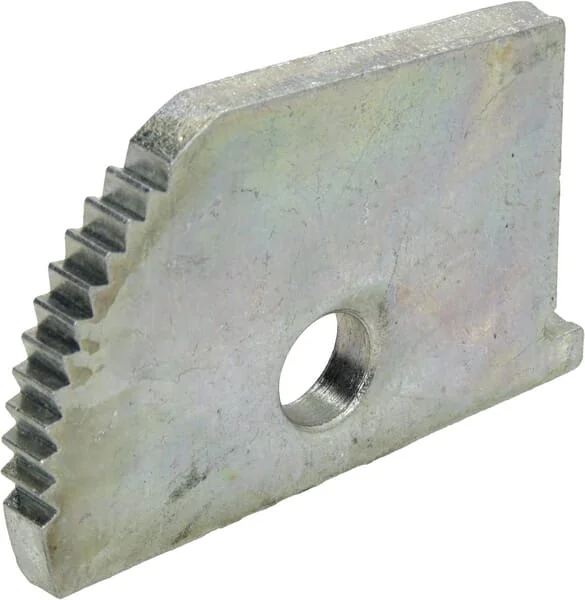
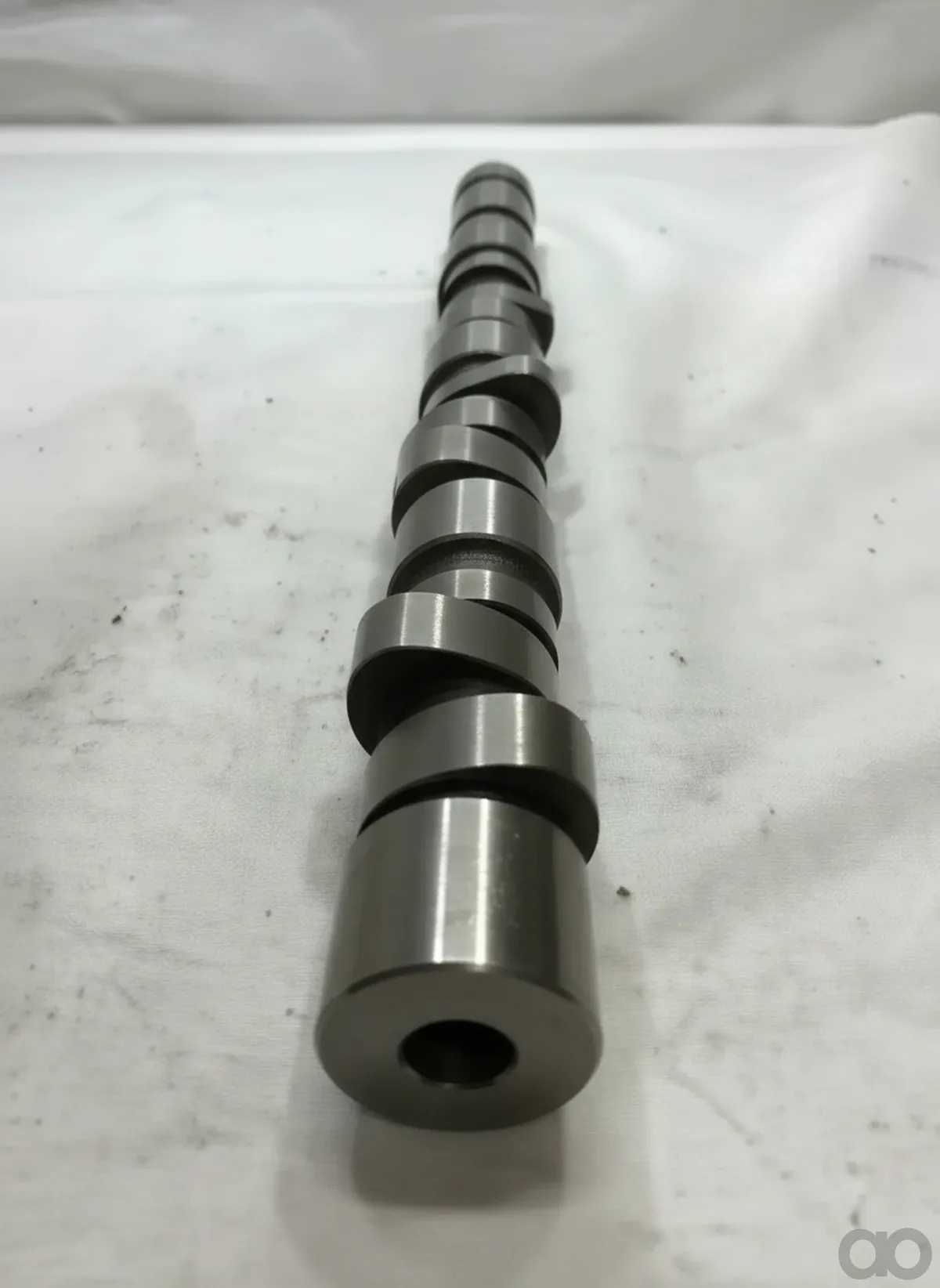
SIP SI - 155922905C - Cam Track
SIP SI
€377.27
Showing 1–48 of 1,937 parts