(1,736)
A widely used guide is 0.00075 to 0.001 of the journal diameter, which gives about 0.04 to 0.07 mm on a 60 mm crankpin. Most tractor diesel engines specify a new clearance somewhere between 0.03 and 0.09 mm. The engine maker's figure takes priority, and clearance is checked with plastic gauge strip or by measuring pin and assembled bore.
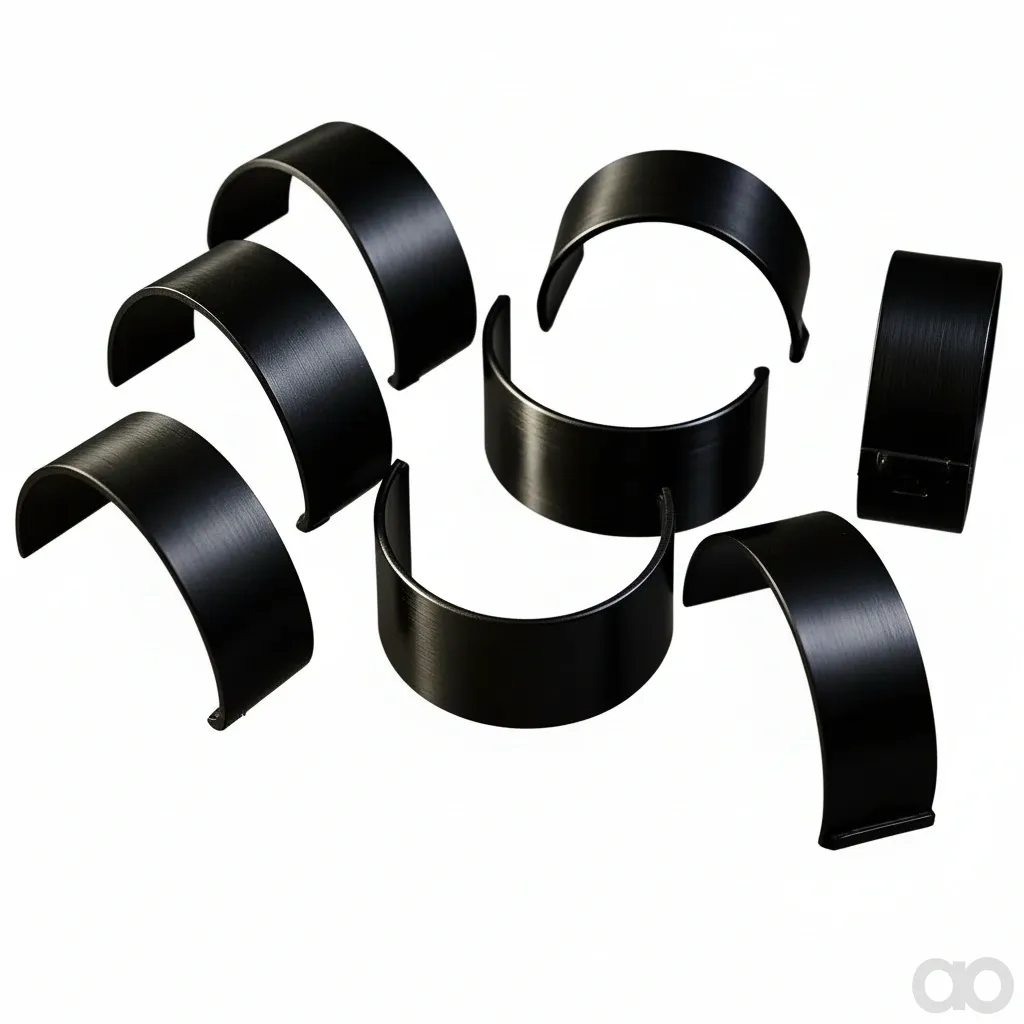
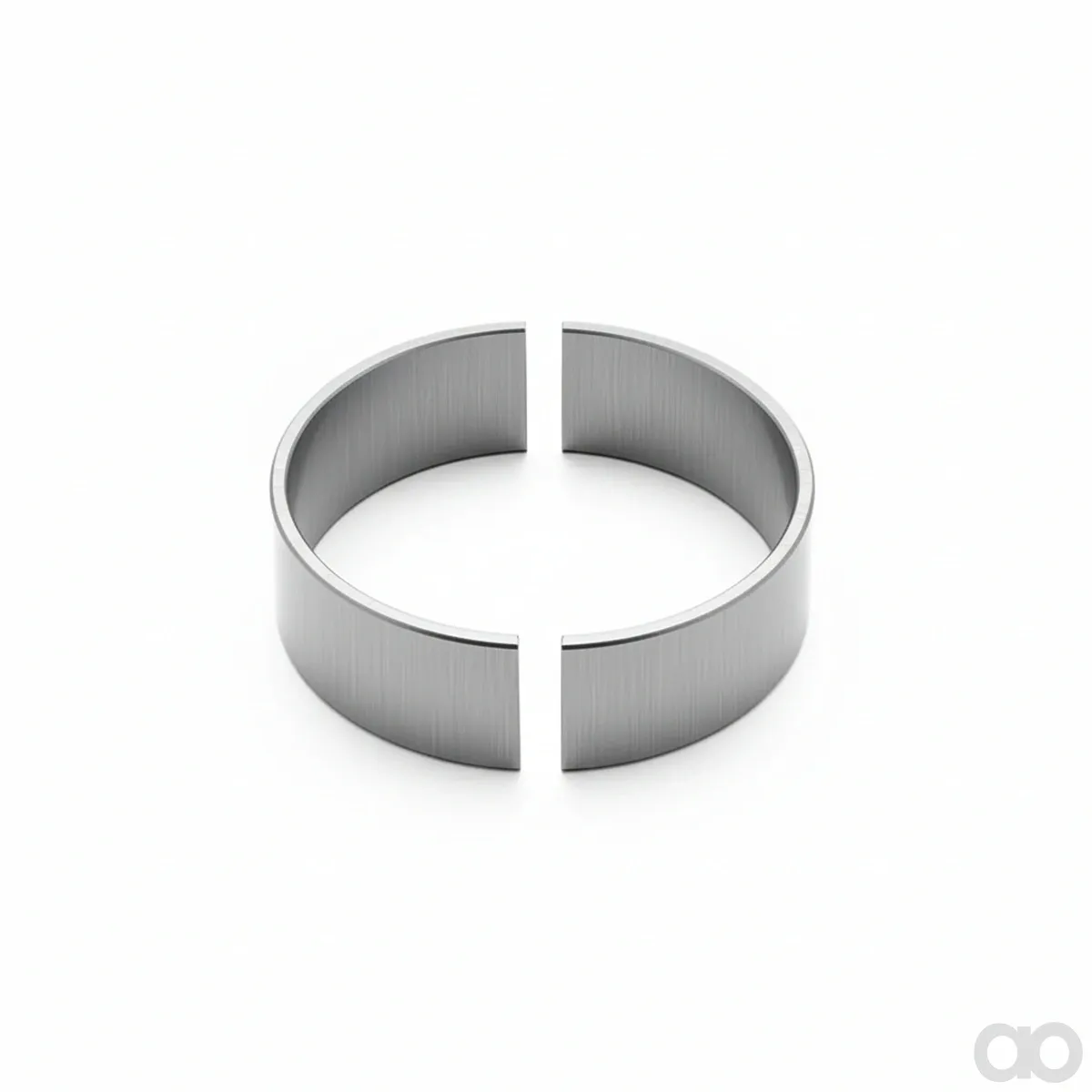
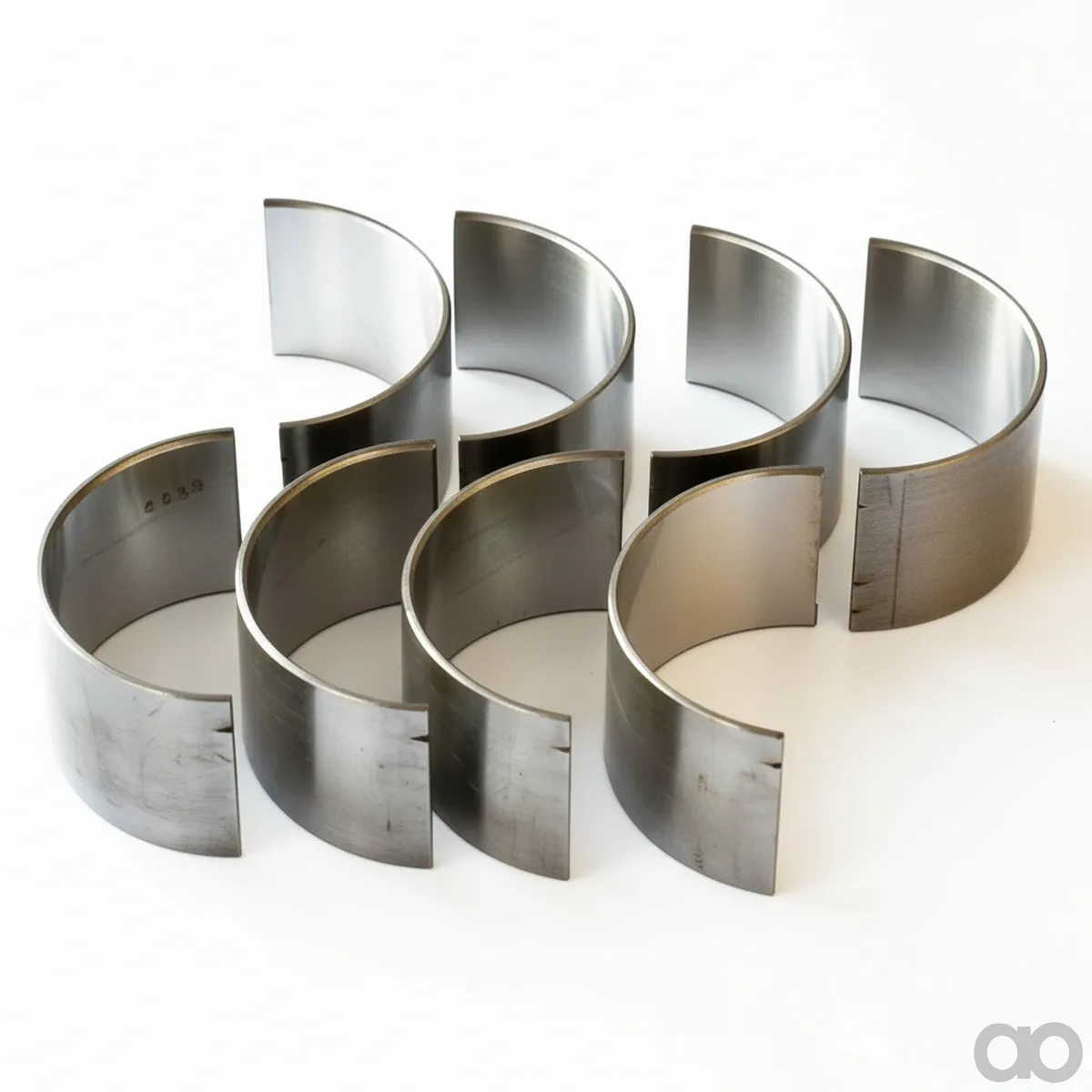
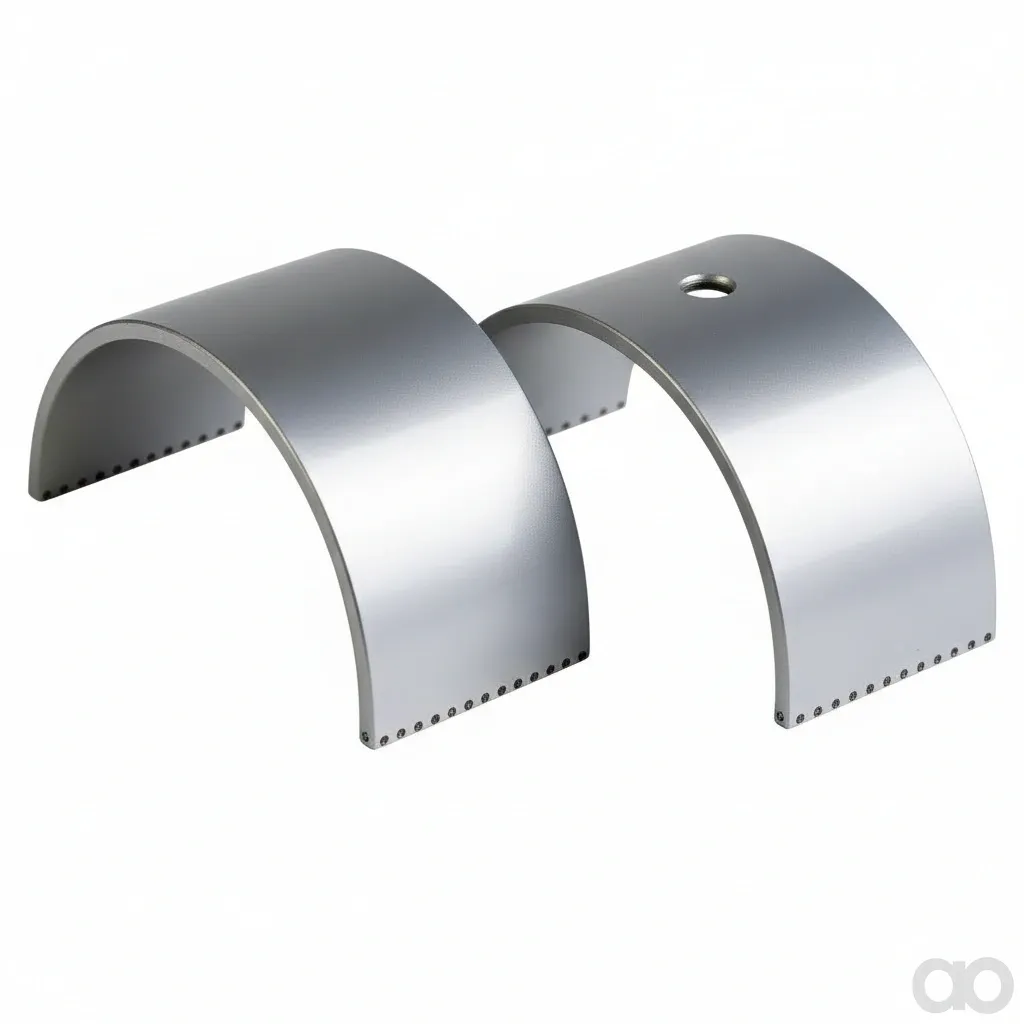
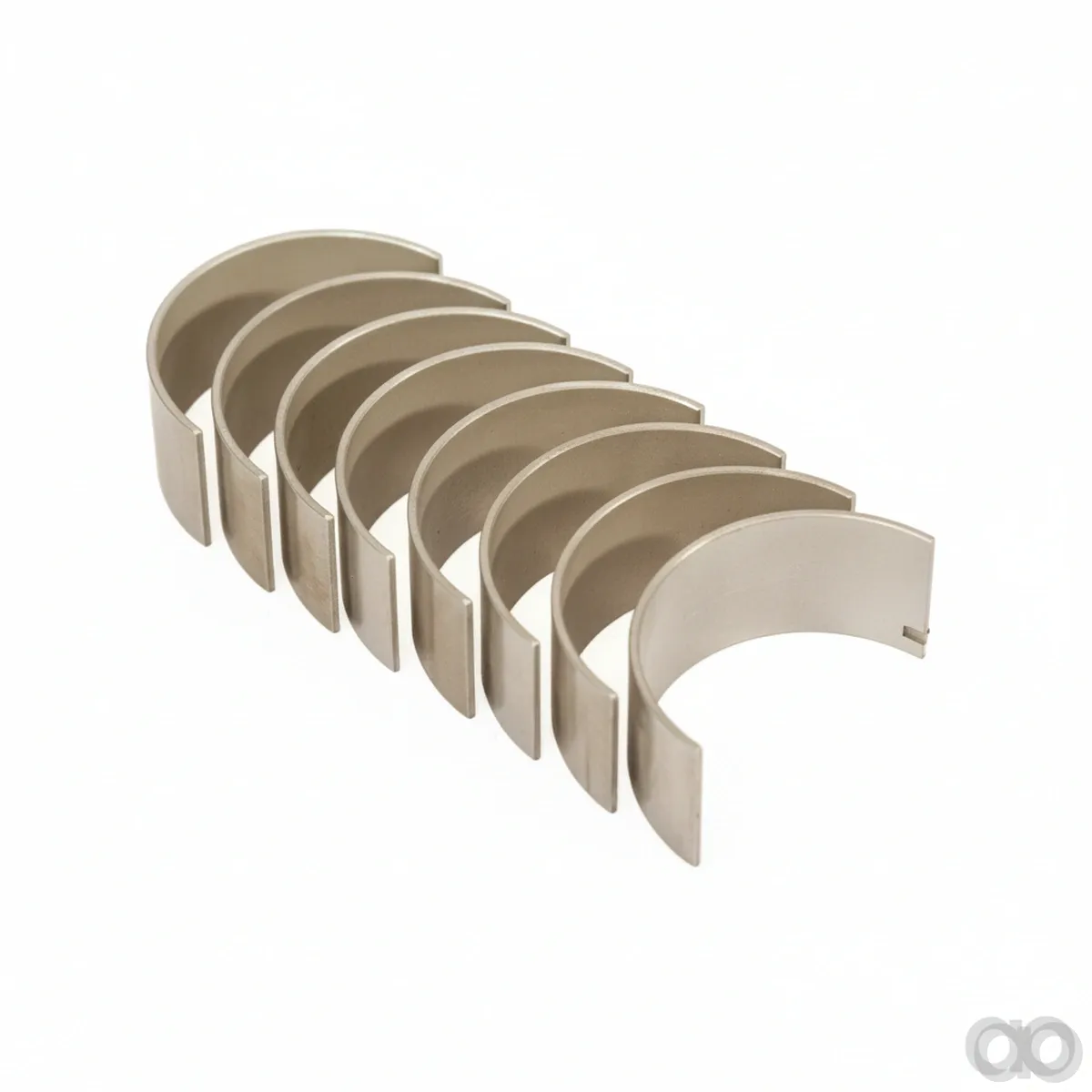
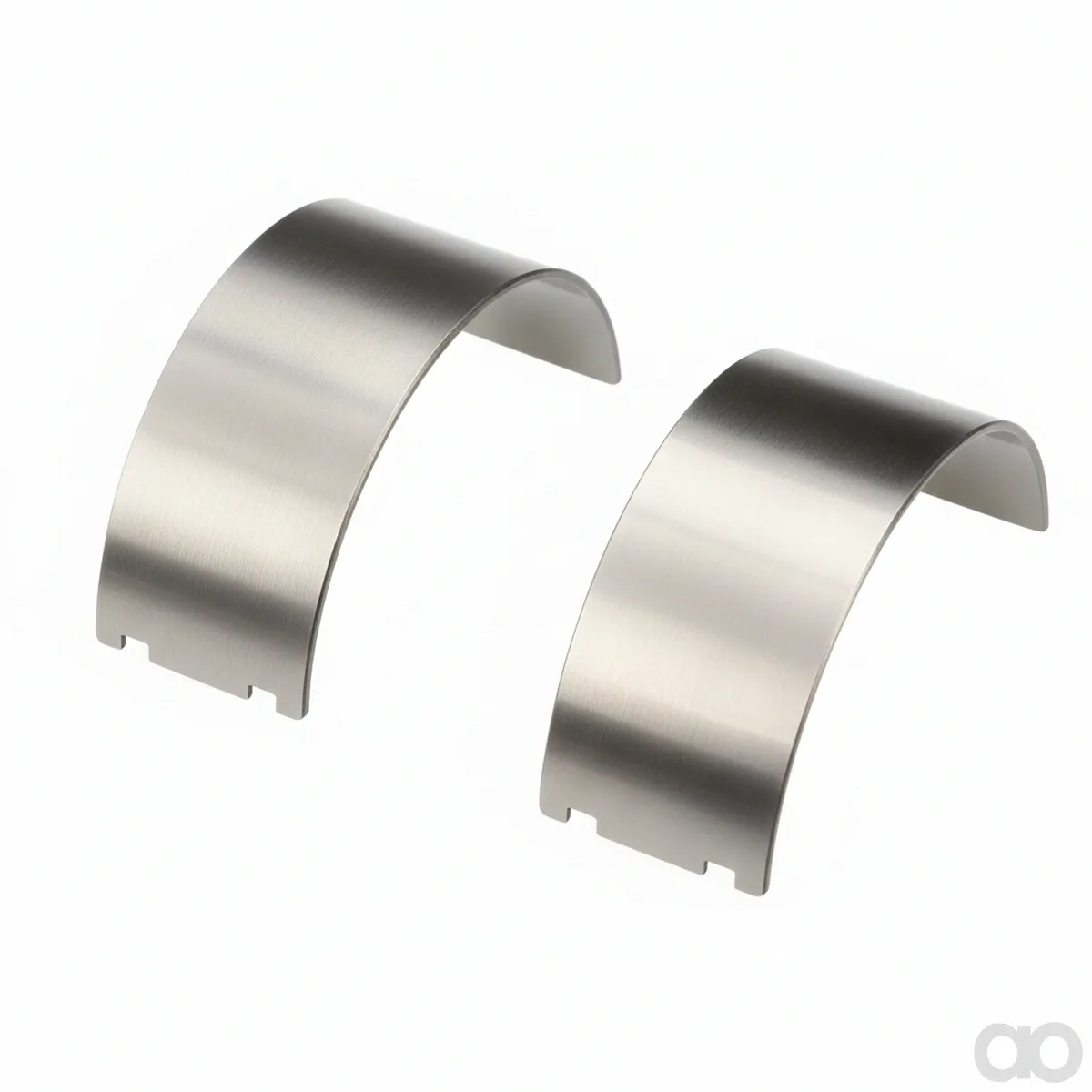
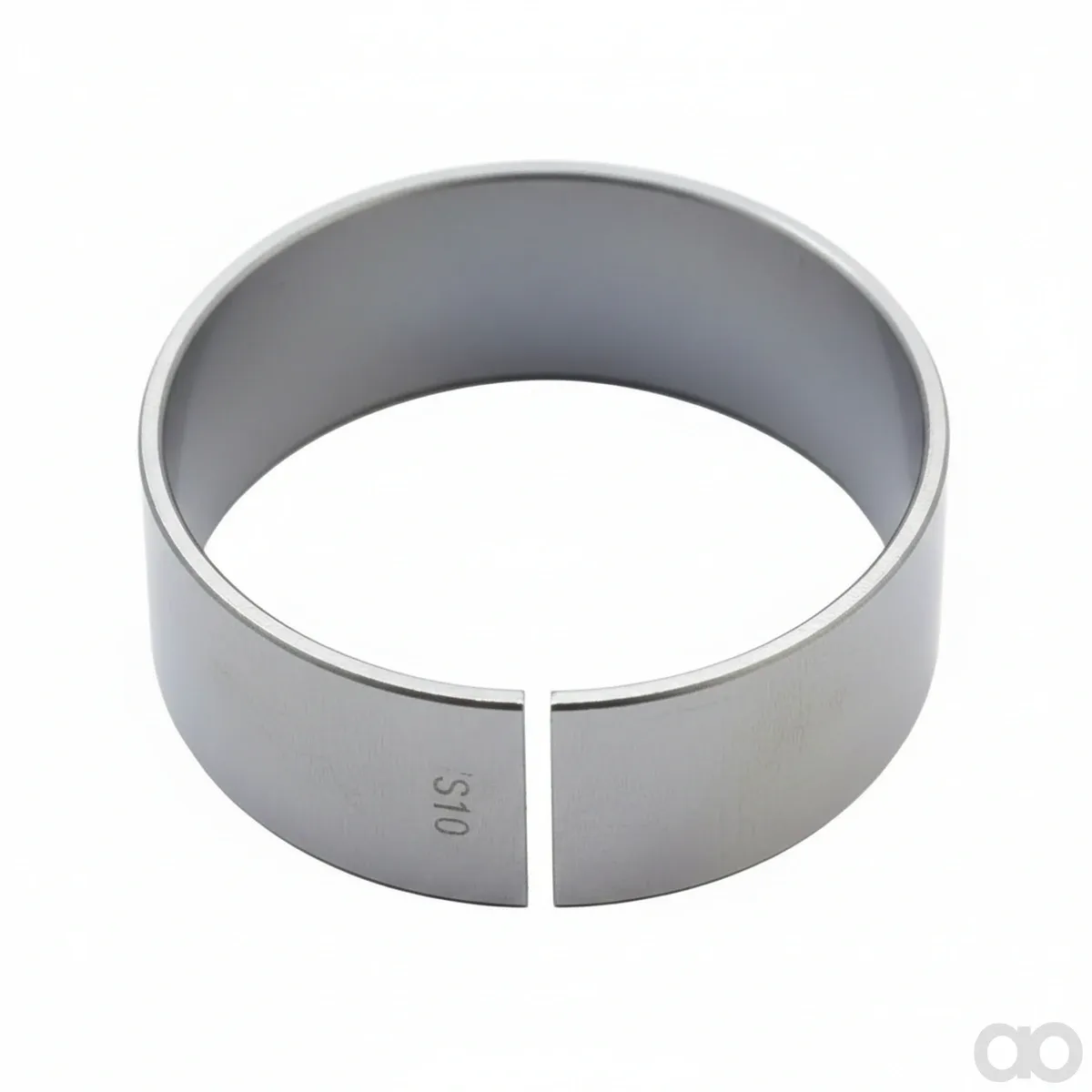
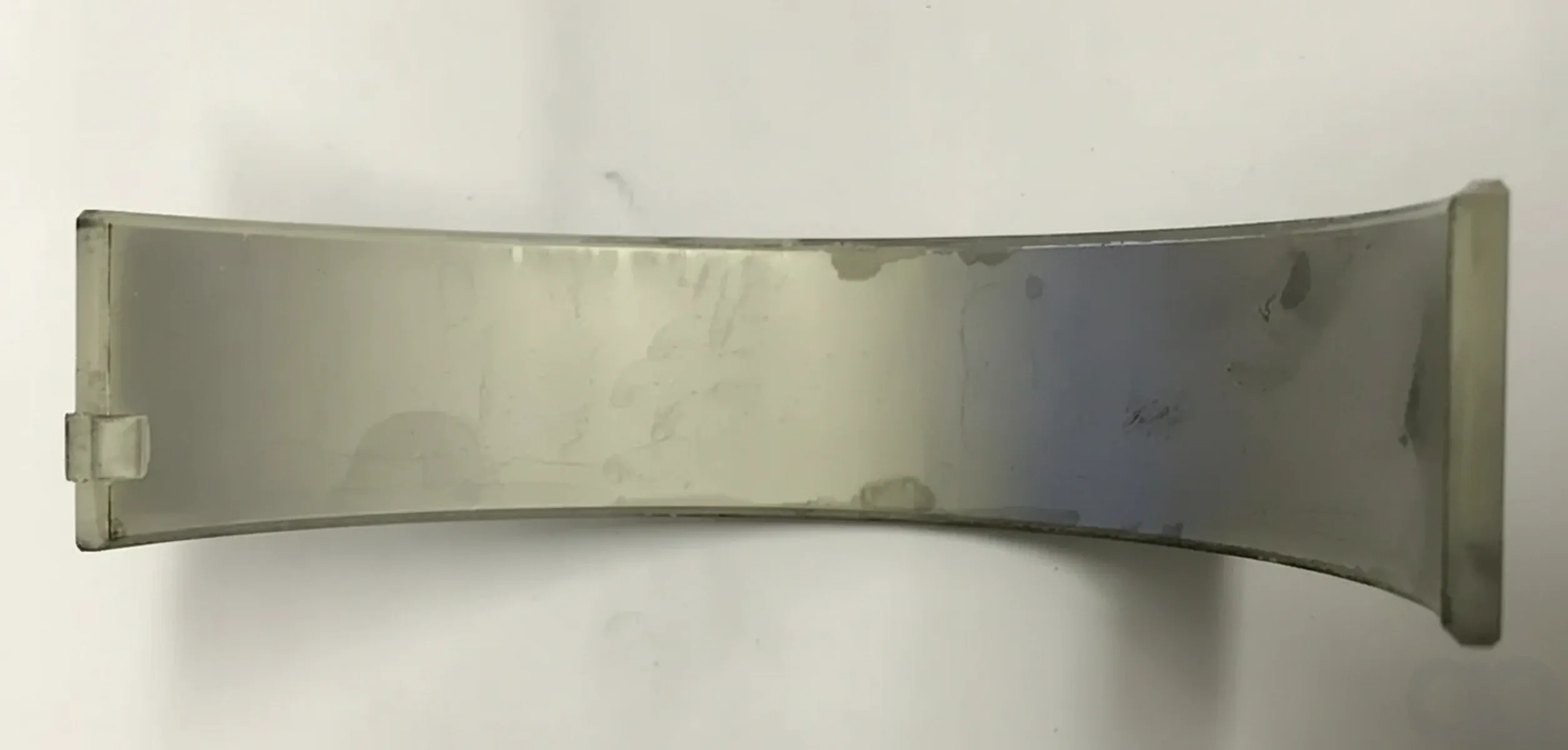
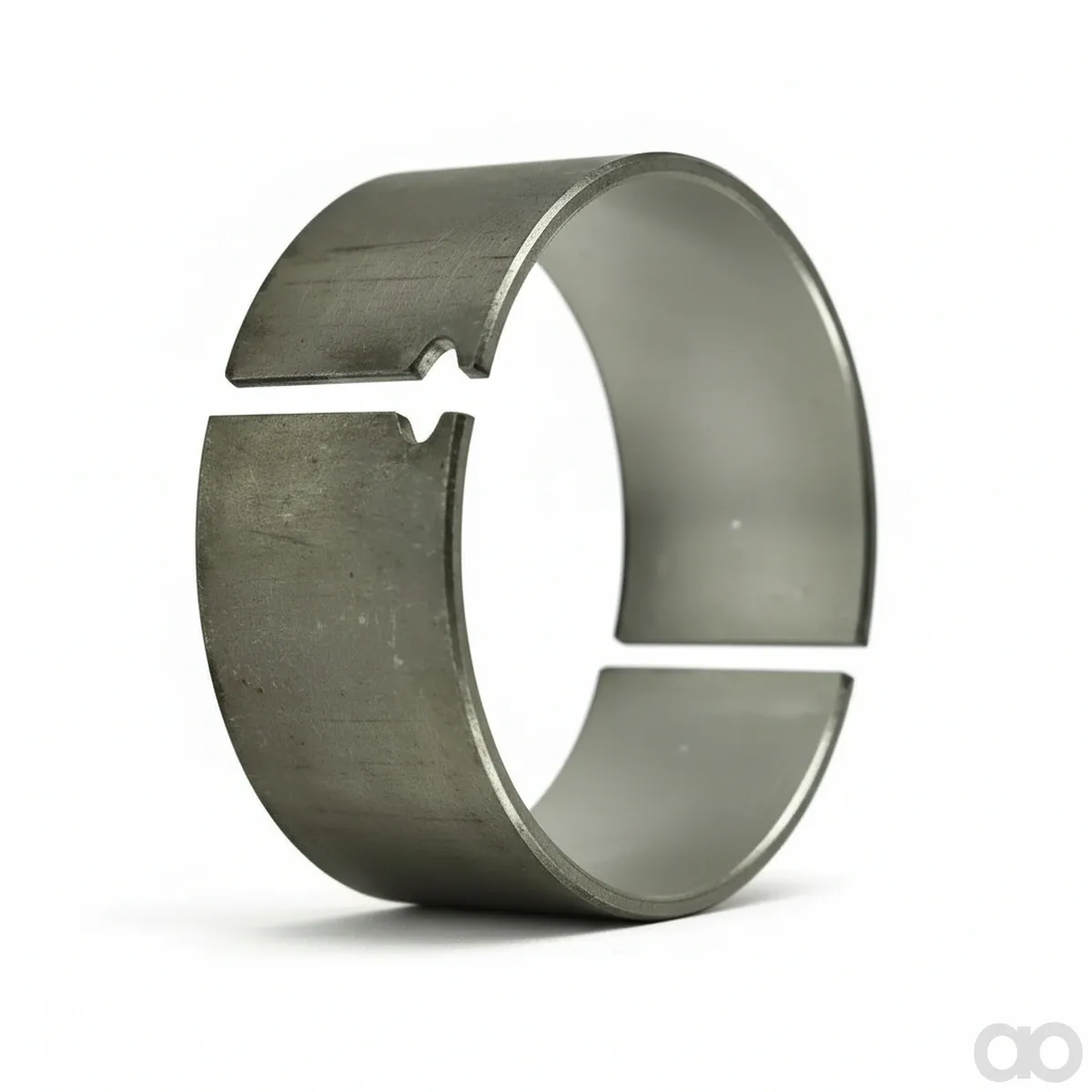
The marking gives how far the crankpin has been ground below its standard diameter. Shells marked 0.25, 0.50, 0.75 or 1.00 mm, or 010, 020, 030 and 040 in inch notation, are correspondingly thicker so that the oil clearance stays the same. STD means the shell suits a standard, unground journal.
A worn big-end bearing gives a sharp, regular metallic knock that is loudest when the engine is revved lightly off load and as the revs fall away. It often lessens when that cylinder's injector is cut out. Low oil pressure at hot idle usually accompanies it, and continued running risks a thrown rod.
On many engines the sump can be removed and the rod caps reached from below, so shells can be changed in place. This only makes sense if the crankpins measure within limits for size, ovality and taper and have a clean surface. New shells on a worn or scored journal fail quickly.
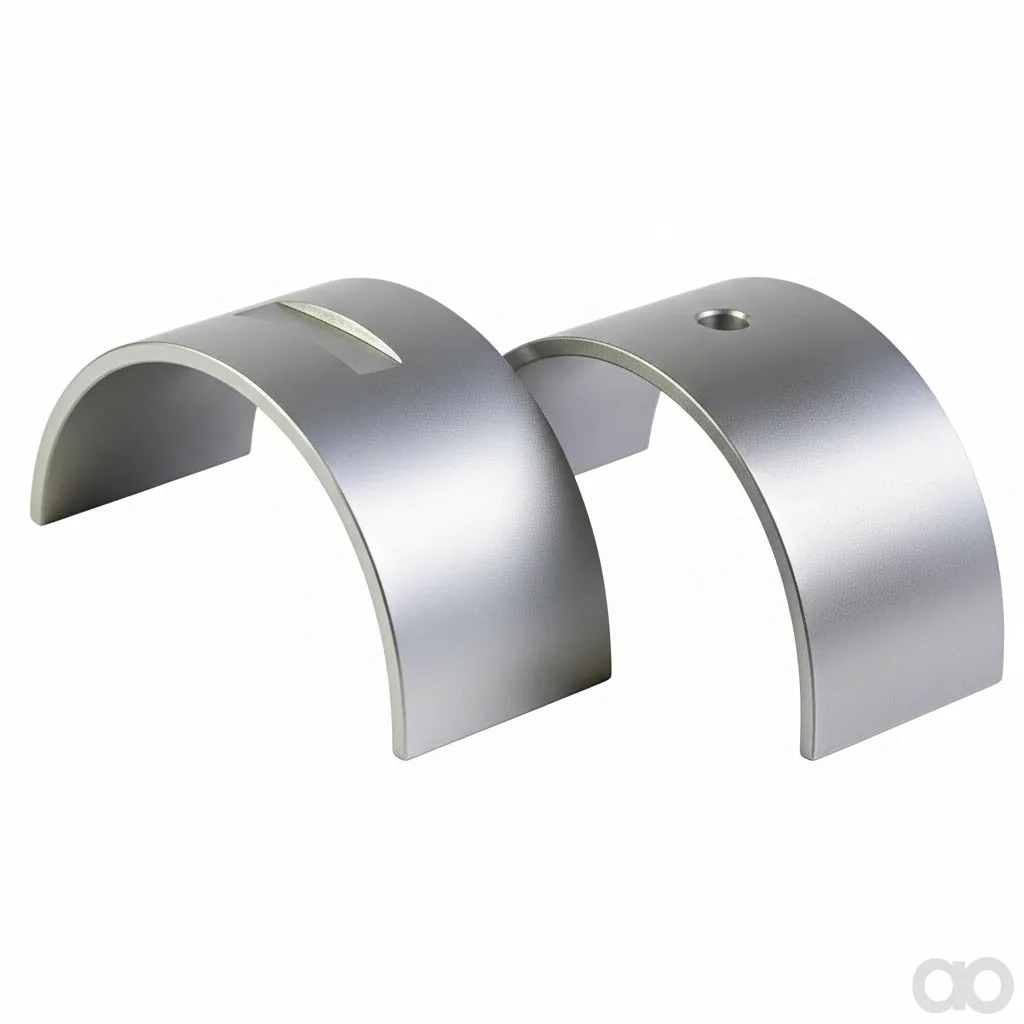
The back of the shell and the rod bore must be clean and dry so the shell seats and transfers heat properly. The running surface facing the crankpin is coated with clean engine oil or assembly lubricant just before fitting. Any dirt behind the shell creates a high spot that wipes the bearing.
Dirt in the oil is the most common cause, leaving embedded particles and scoring. Others are oil starvation at start-up or from a low level, fuel or coolant diluting the oil, caps fitted the wrong way round or to the wrong rod, incorrect bolt torque, and a journal left oval or tapered after wear.

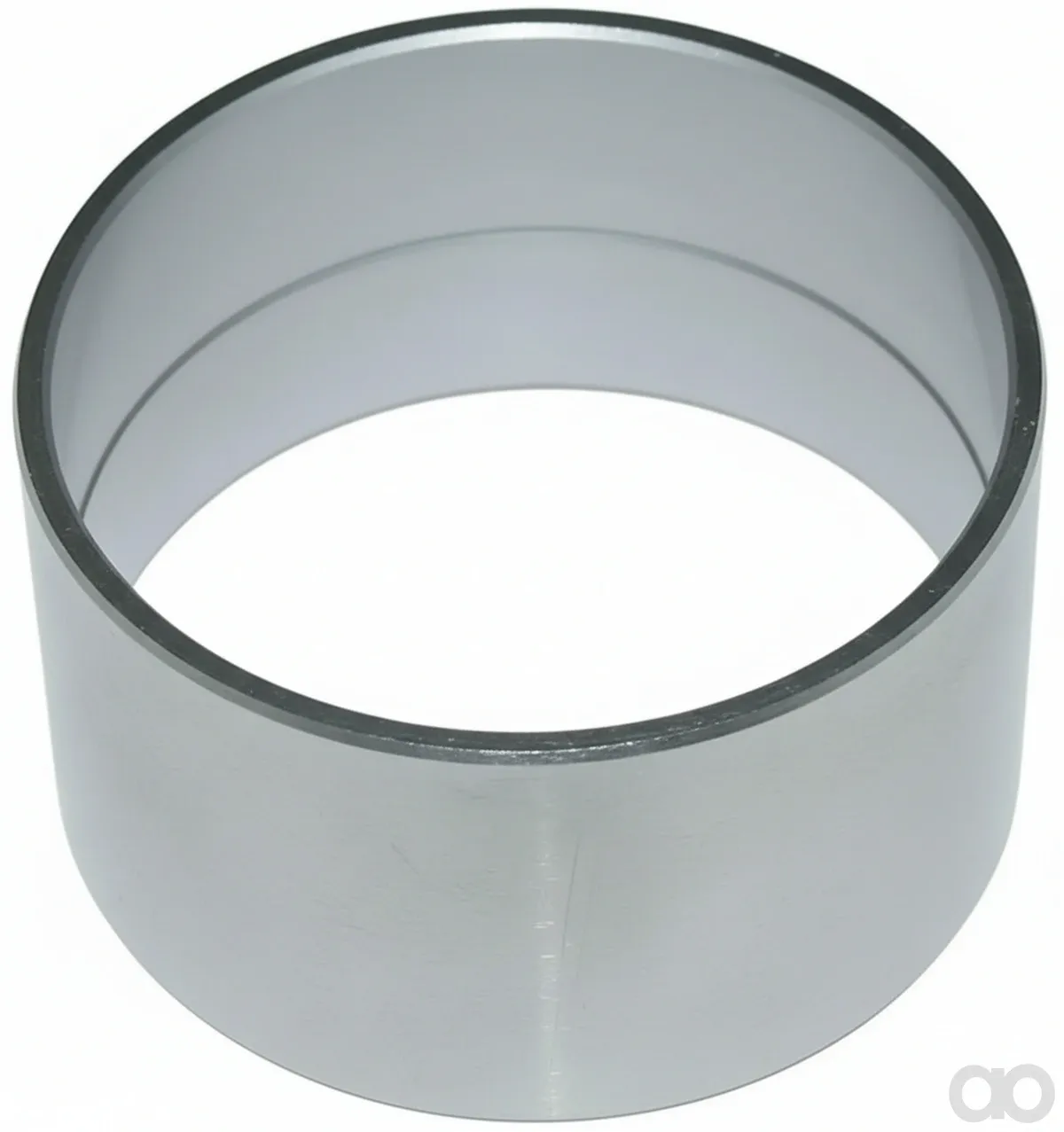
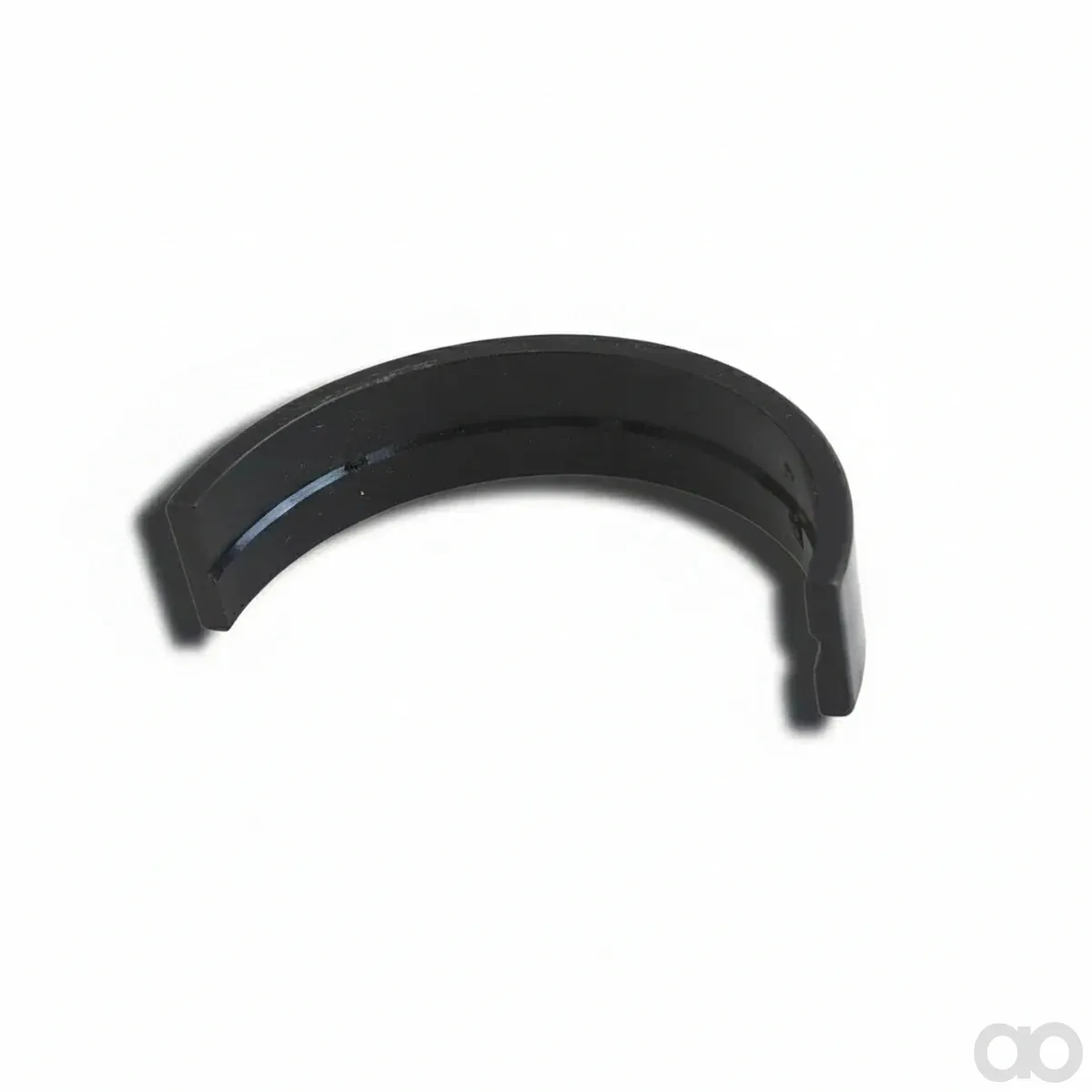
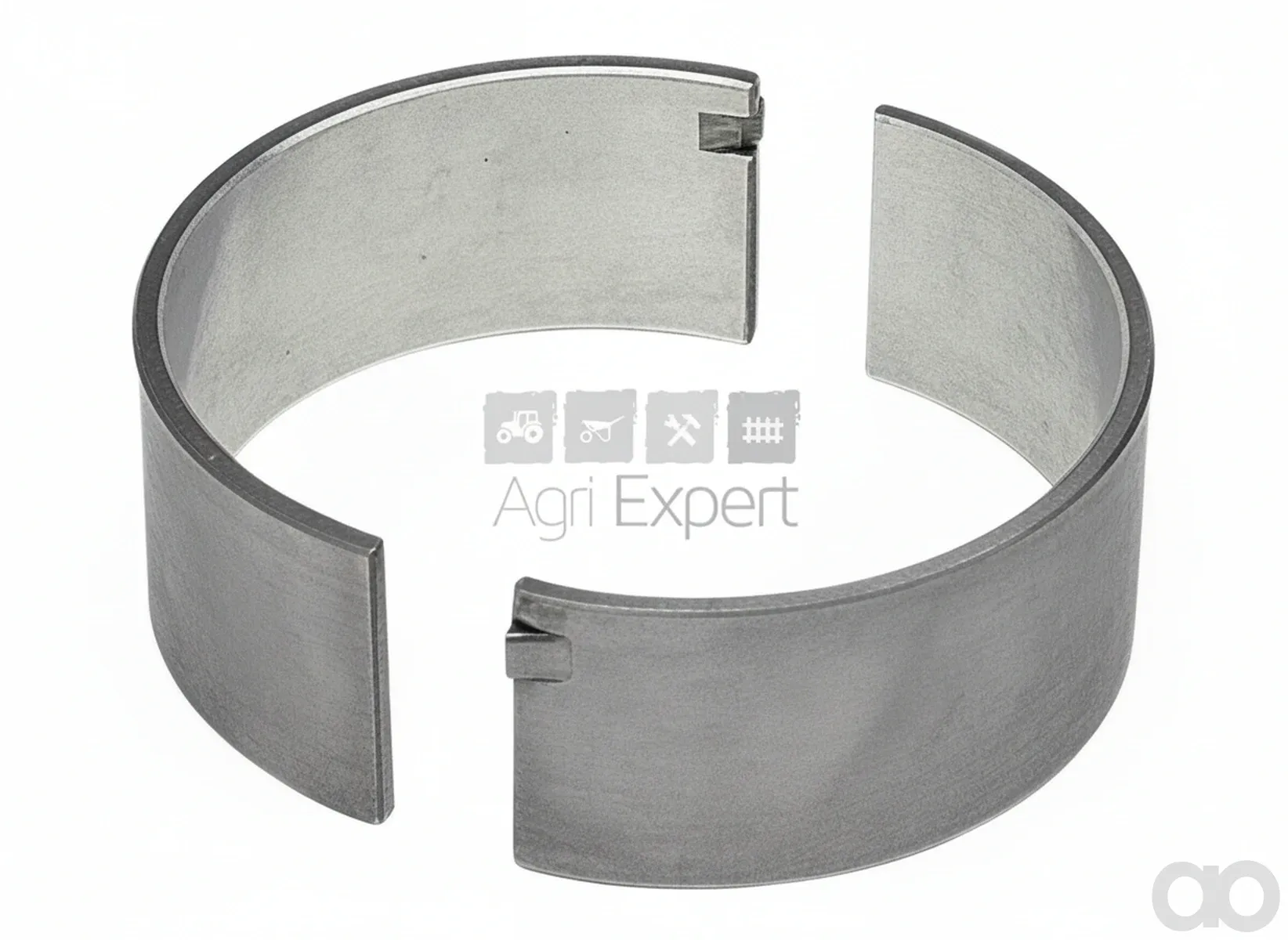
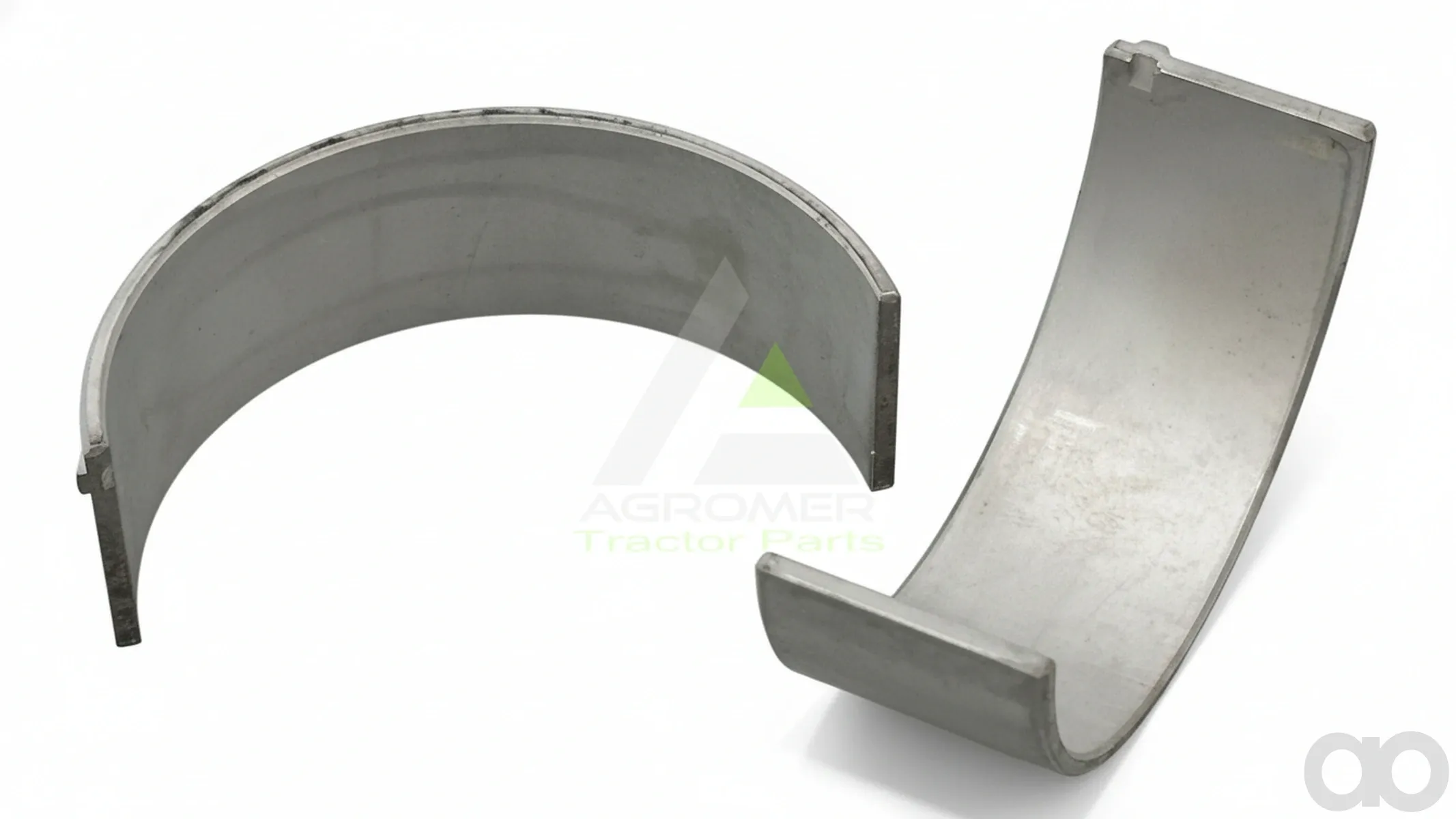
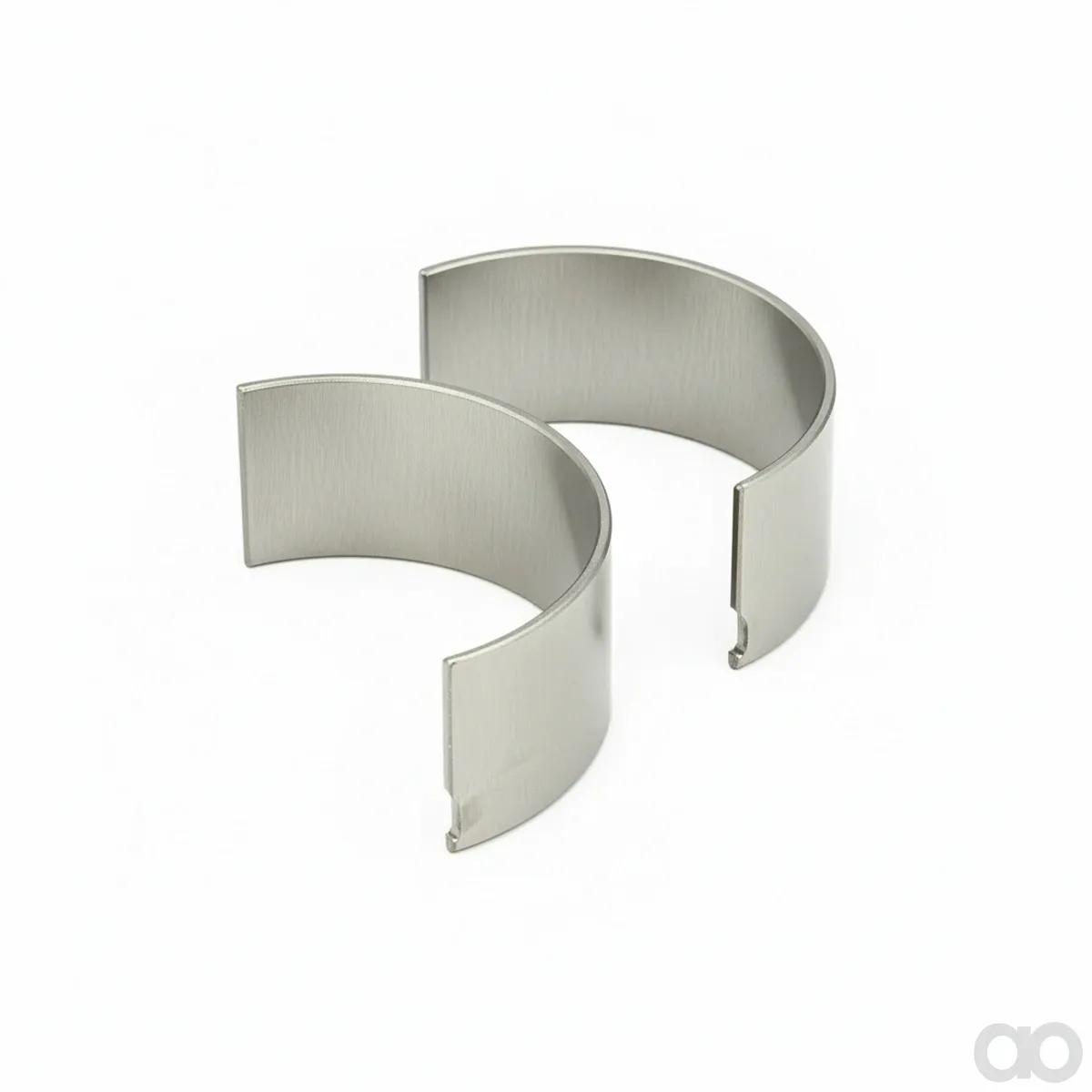
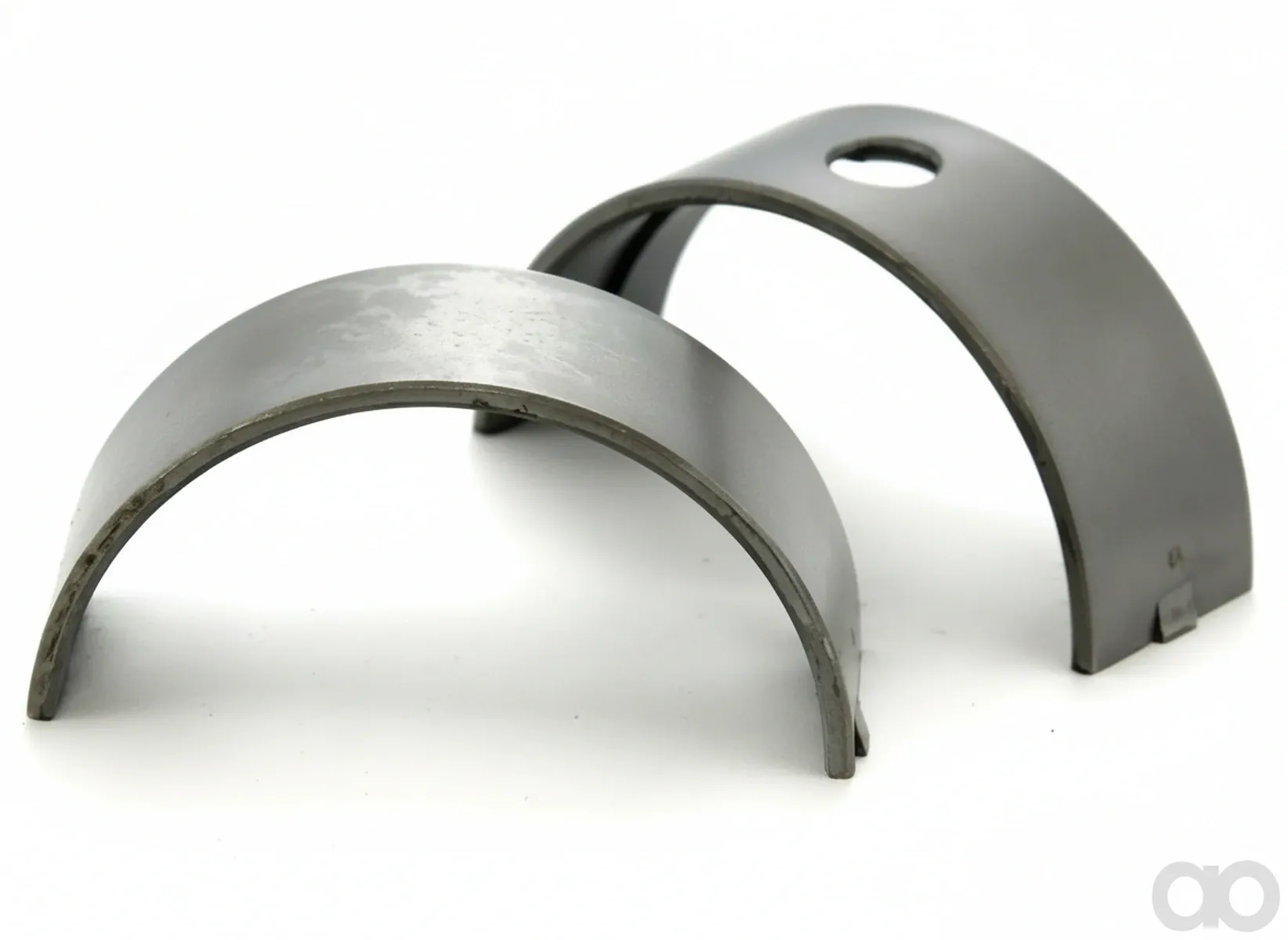
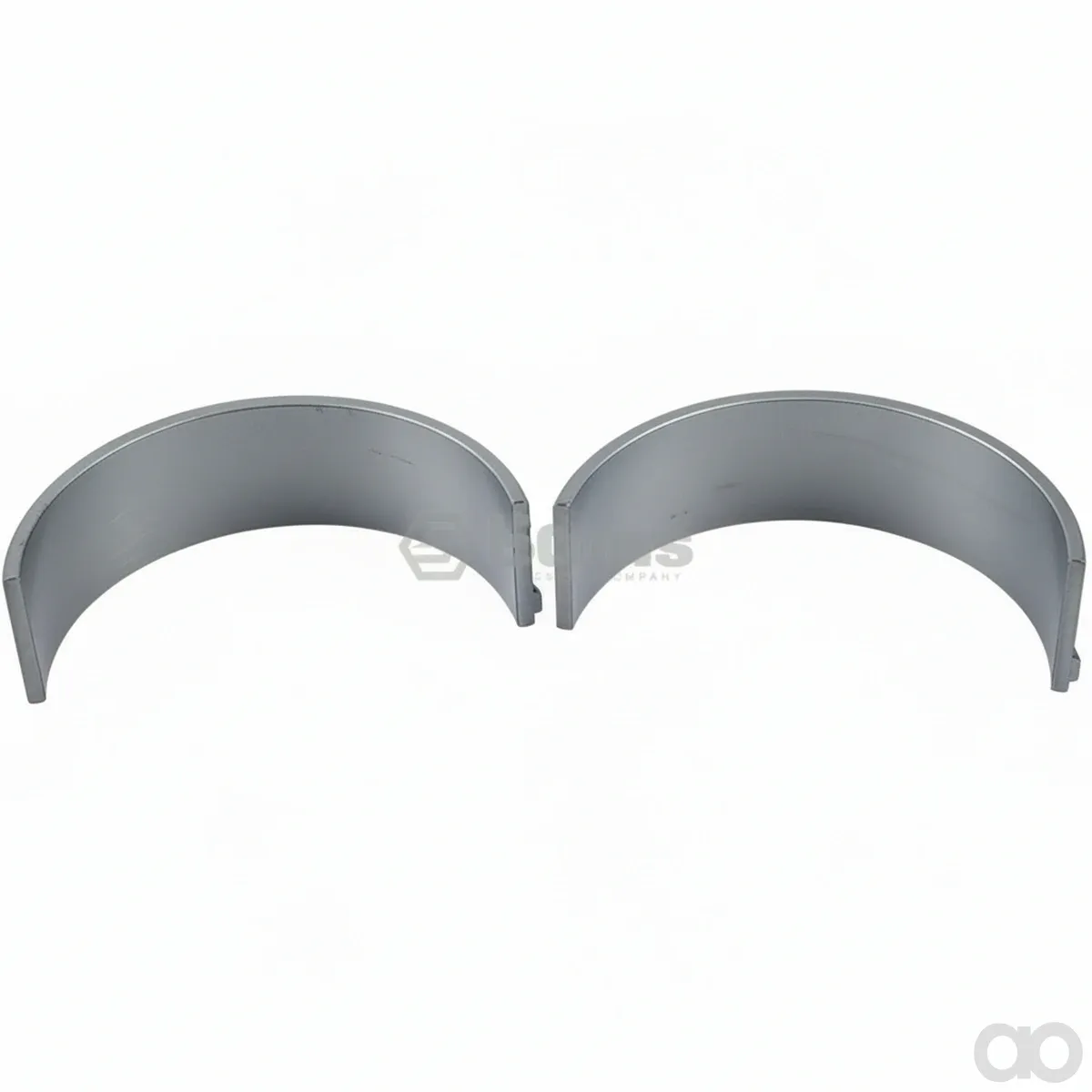
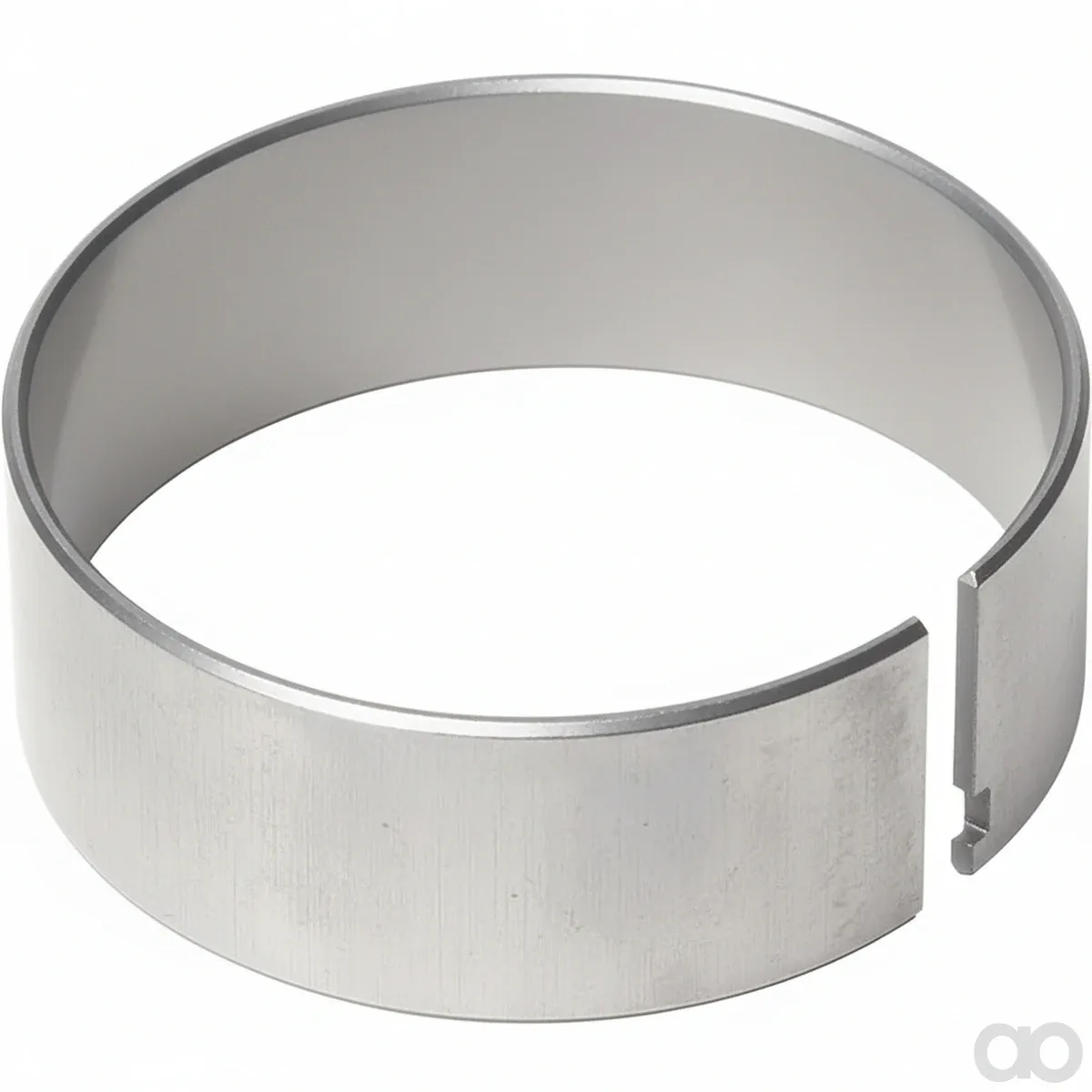
Carraro - CI076706 - Conroad Bearing
Carraro
€35.05
Showing 1–48 of 1,736 parts