(1,271)
Most tractor and industrial diesel engines specify a new main bearing clearance between about 0.04 and 0.10 mm, with larger journals at the upper end of that range. Clearance much beyond 0.15 mm generally shows as low oil pressure when hot. The engine maker's figure is the reference for any particular engine.
Lay a strip of plastic gauge along the dry journal, fit the cap with its shell and tighten to full torque without turning the crankshaft. Remove the cap and compare the flattened width of the strip with the scale on the packet. A wider strip means a smaller clearance. Wipe the residue off before final assembly.
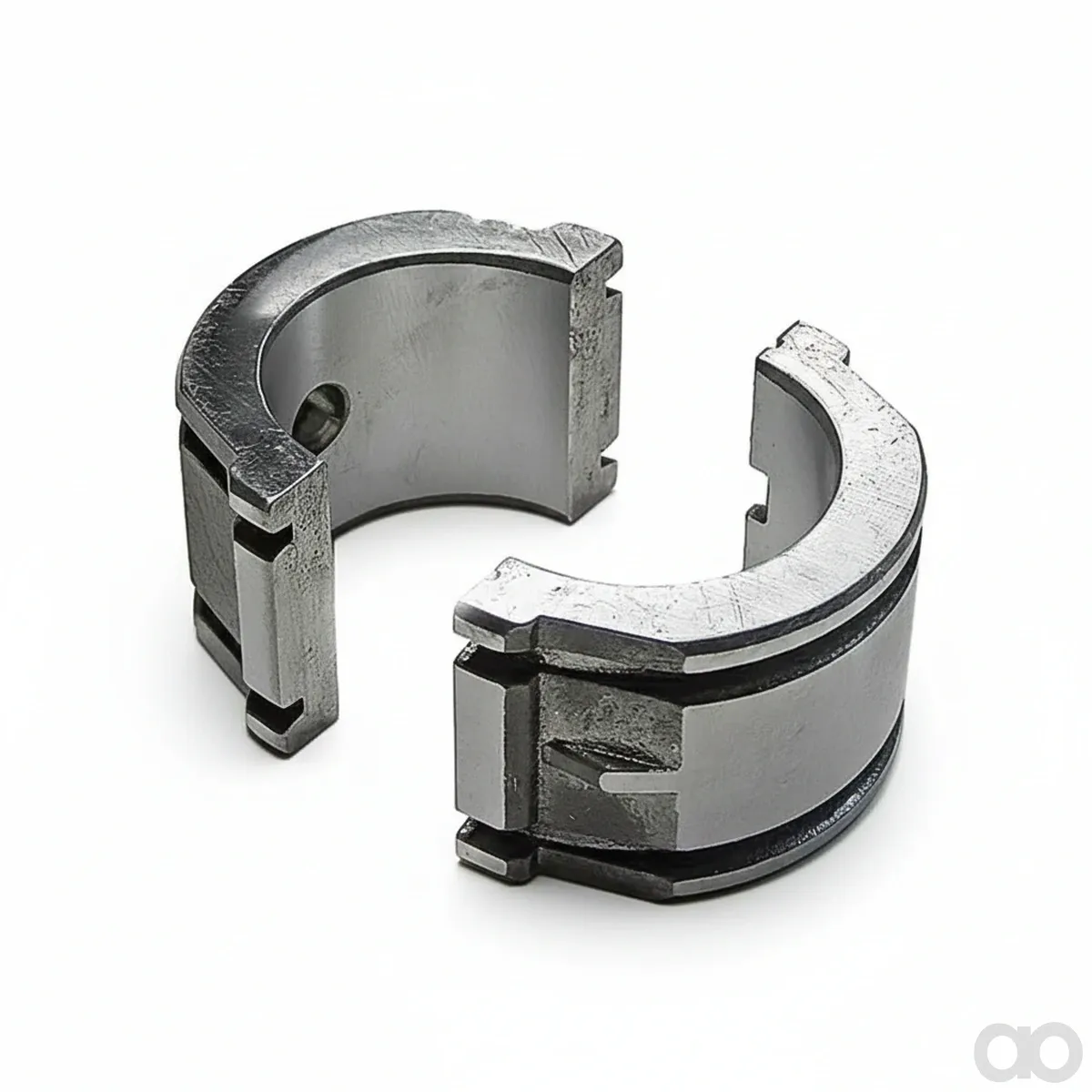
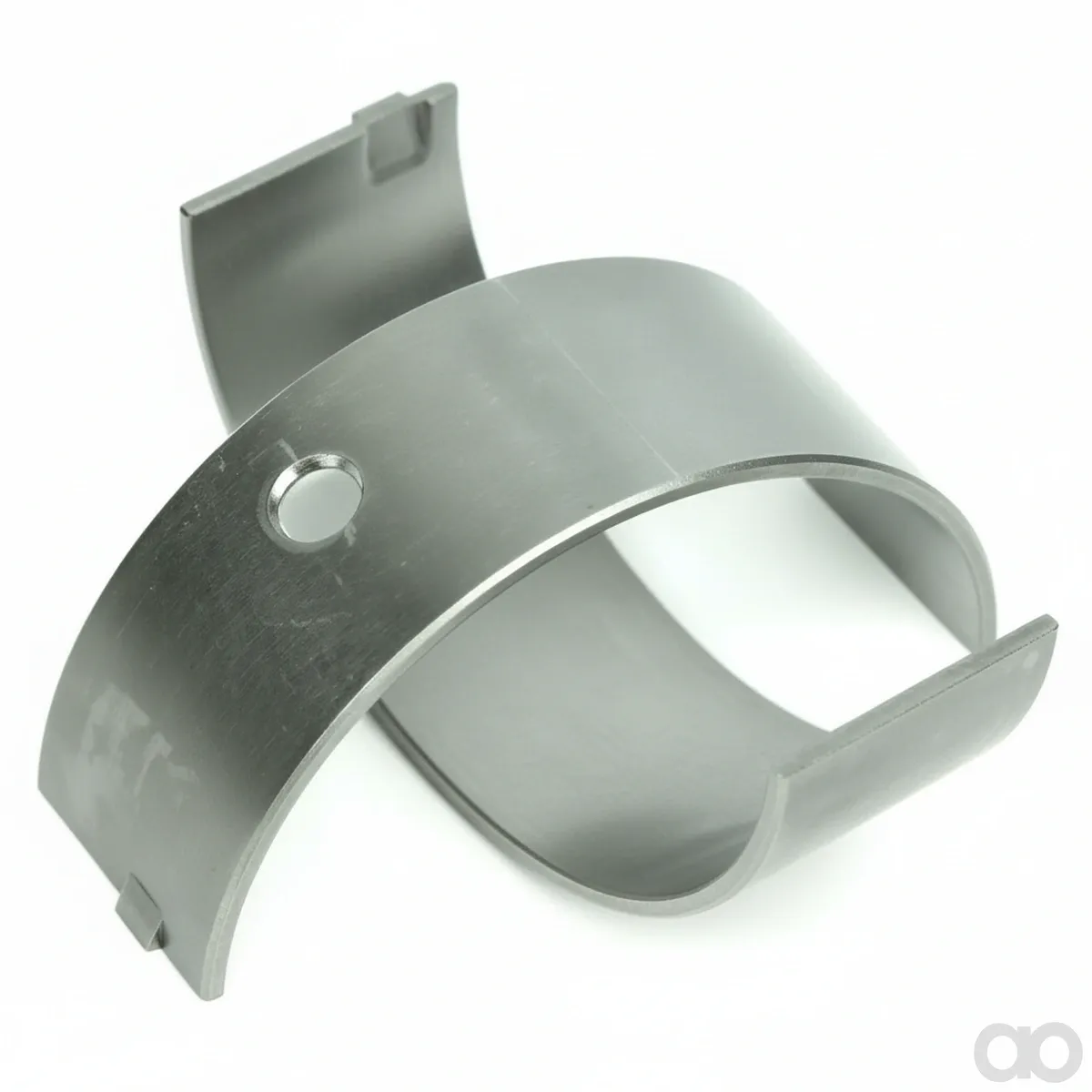
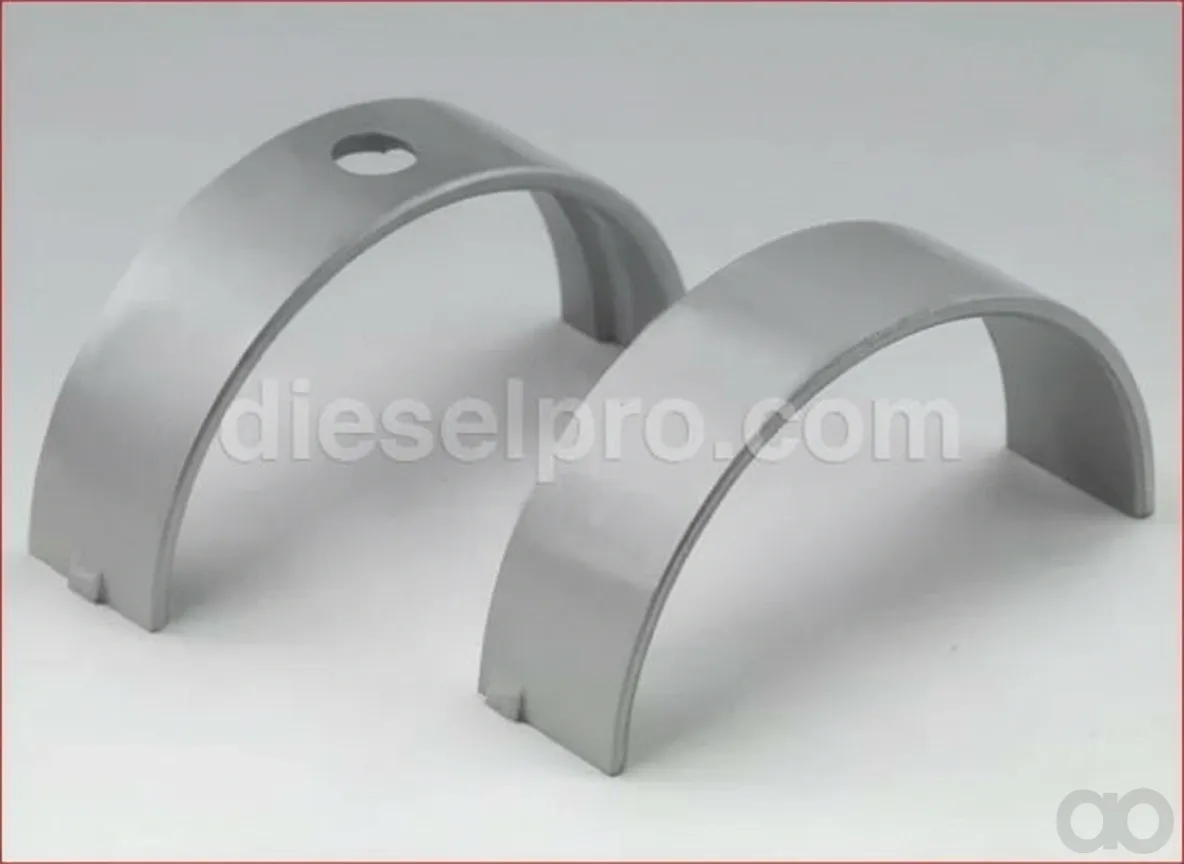
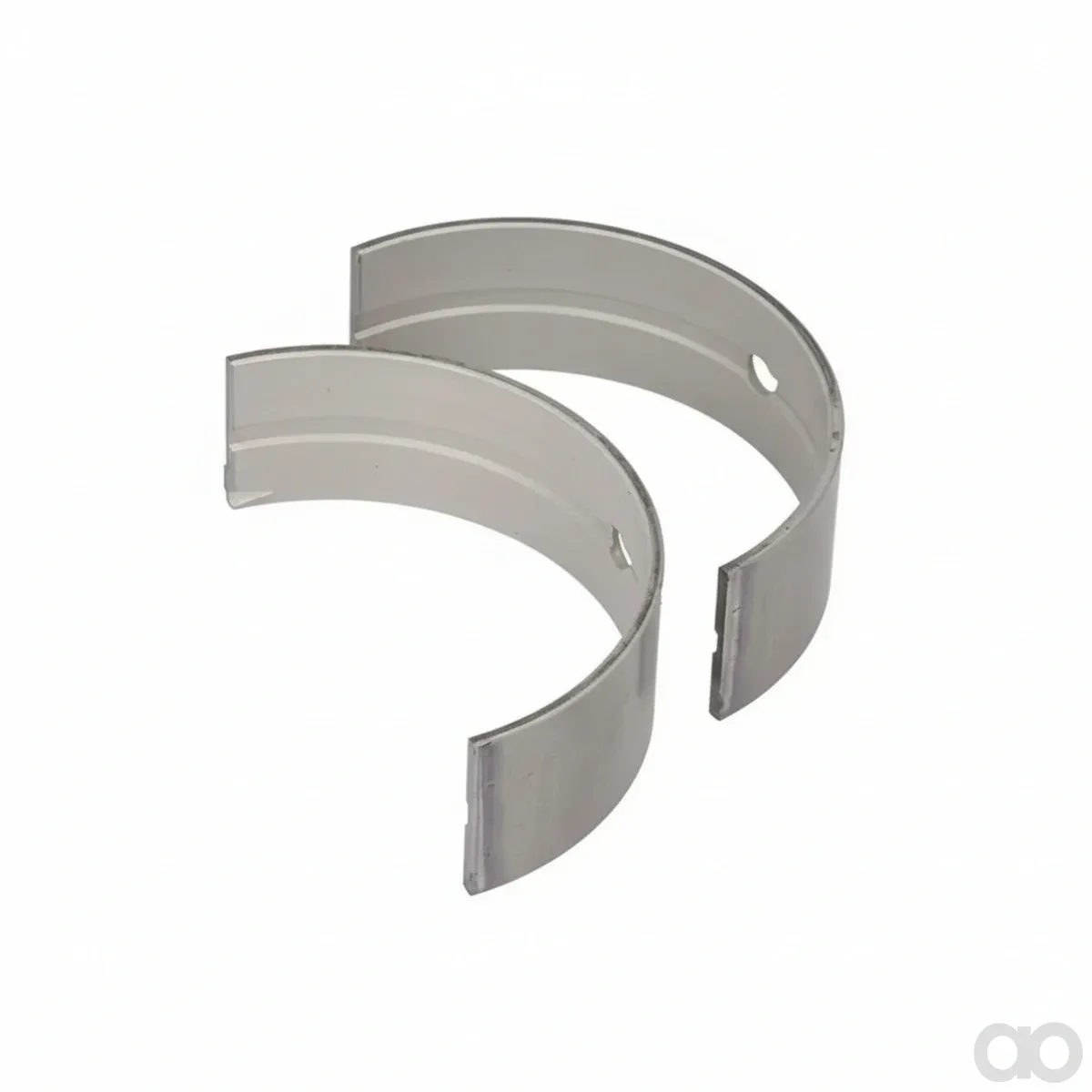
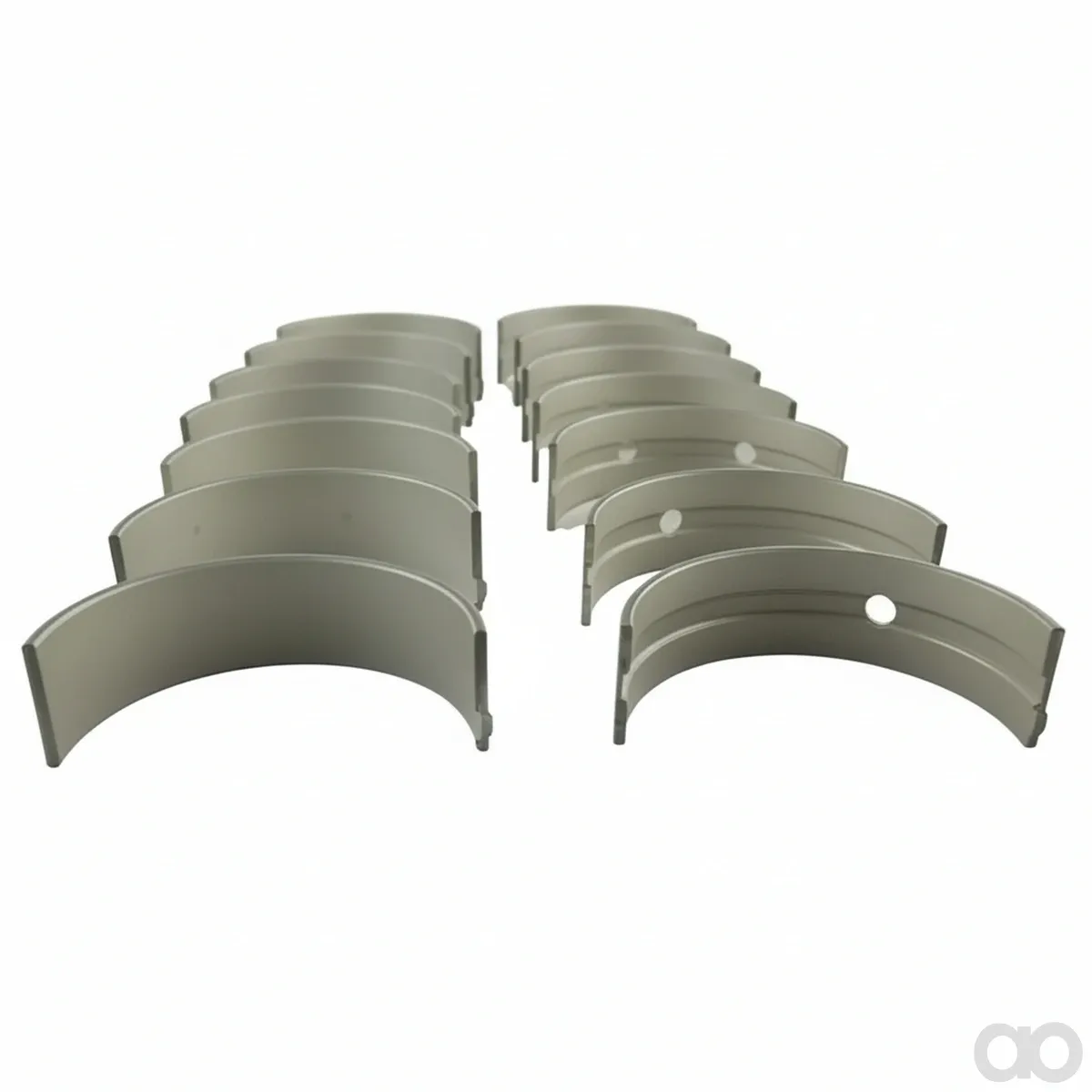
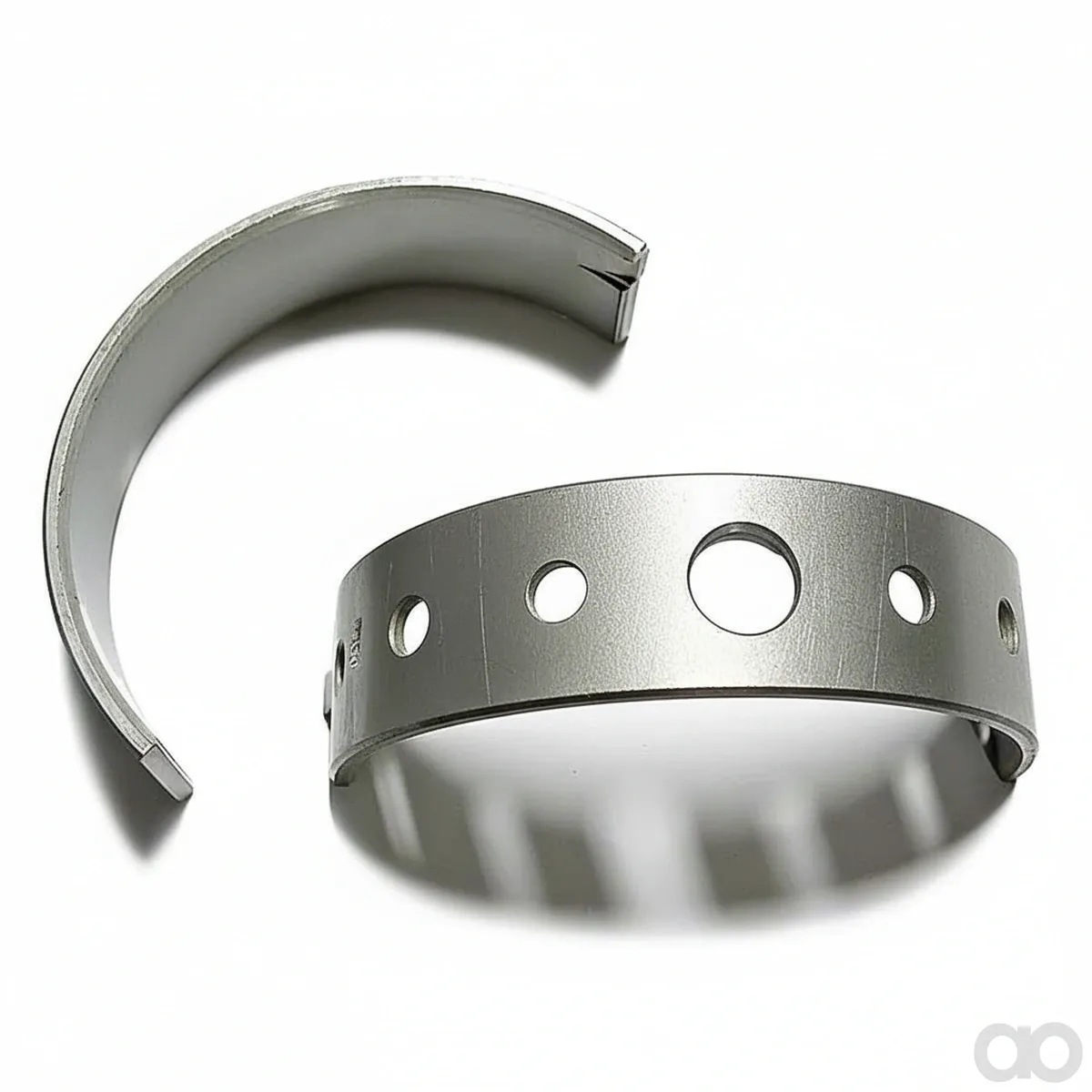
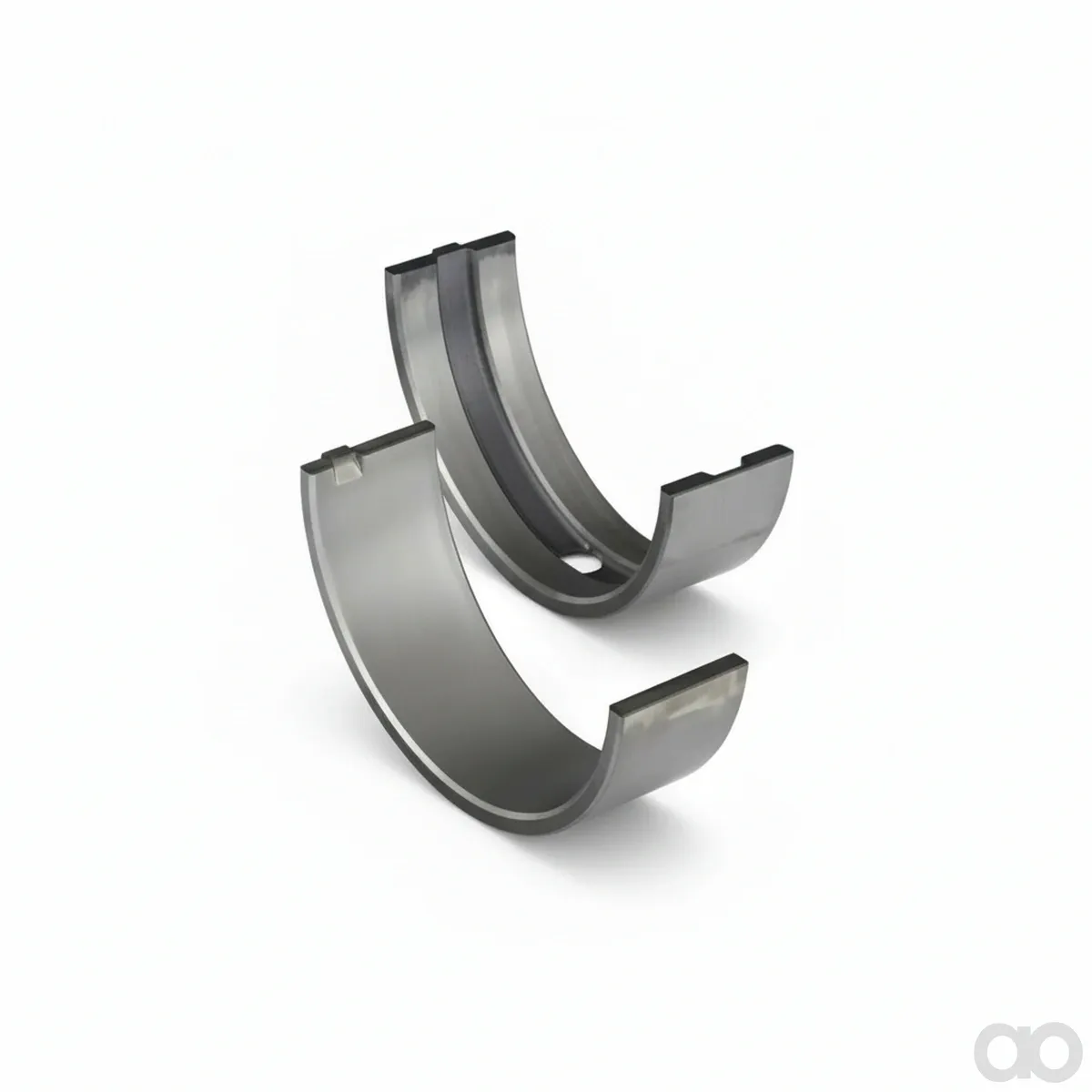
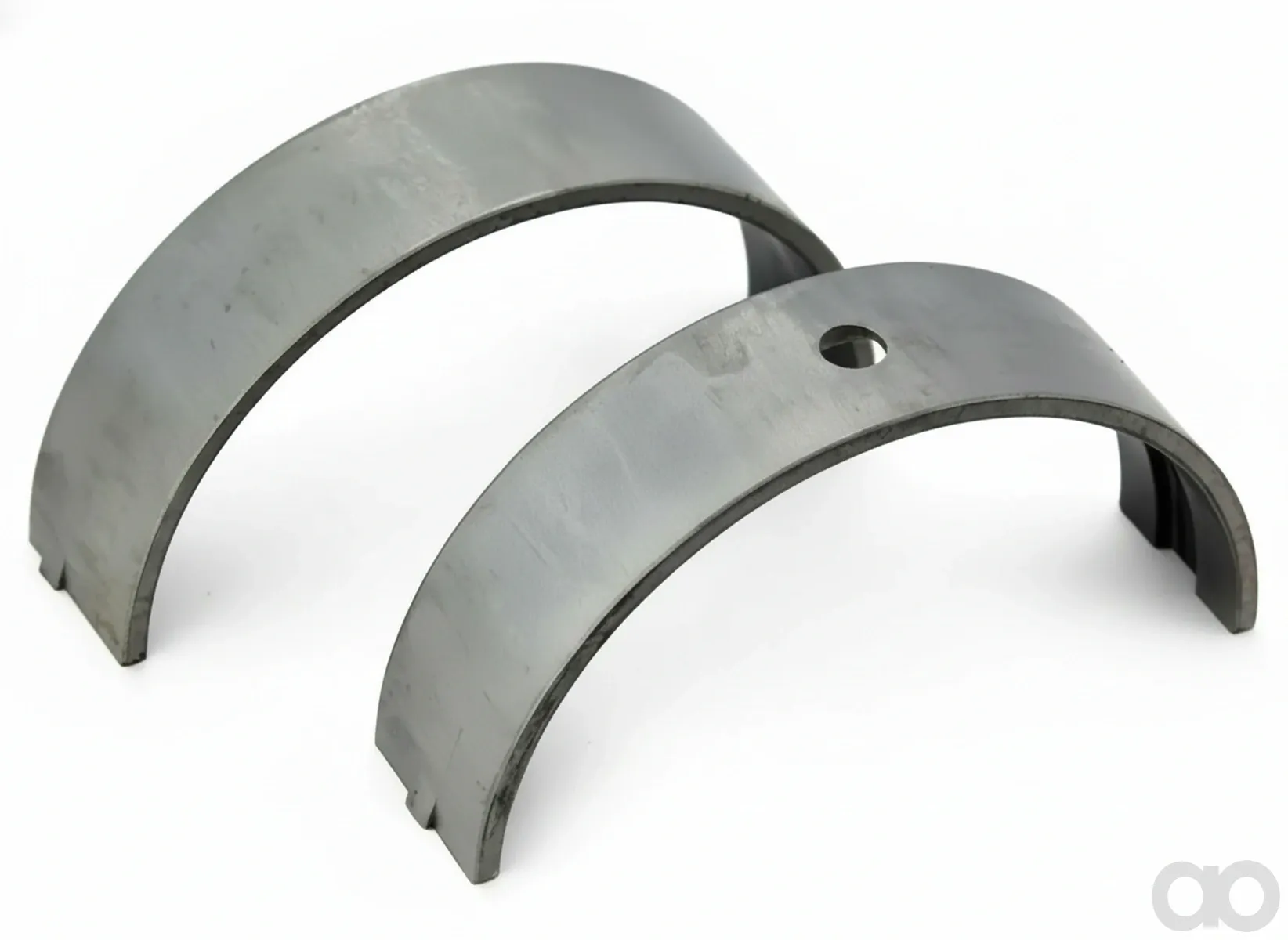
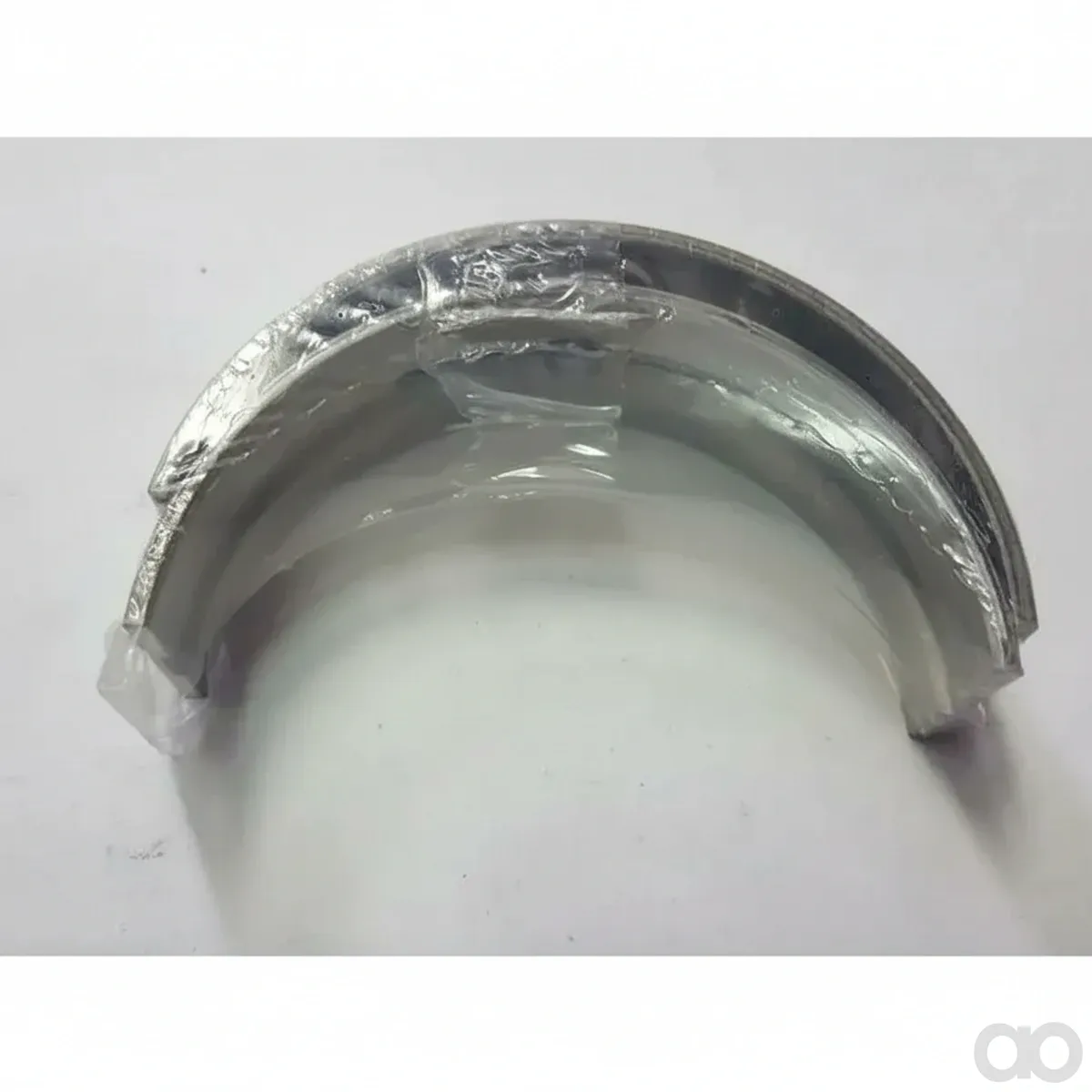
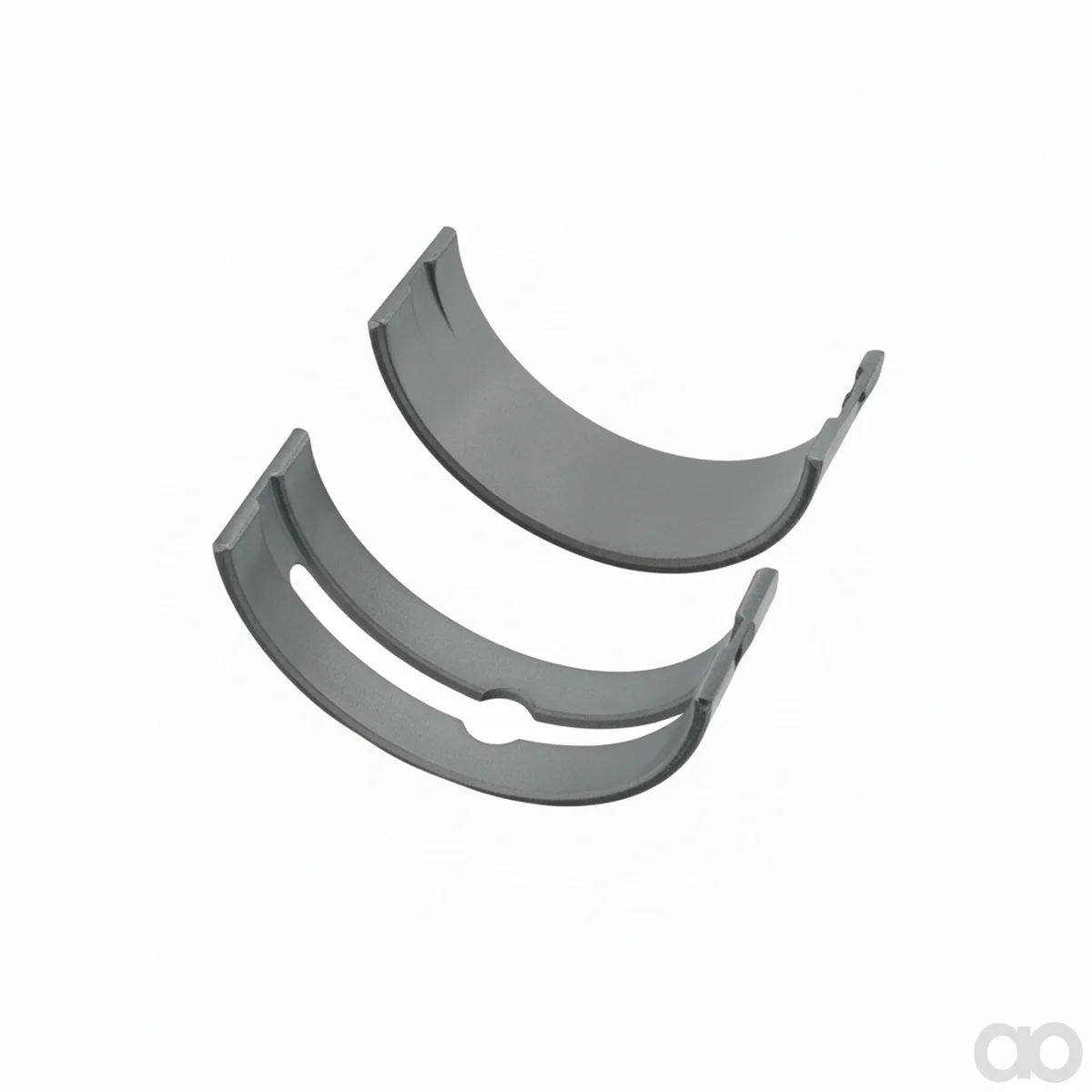
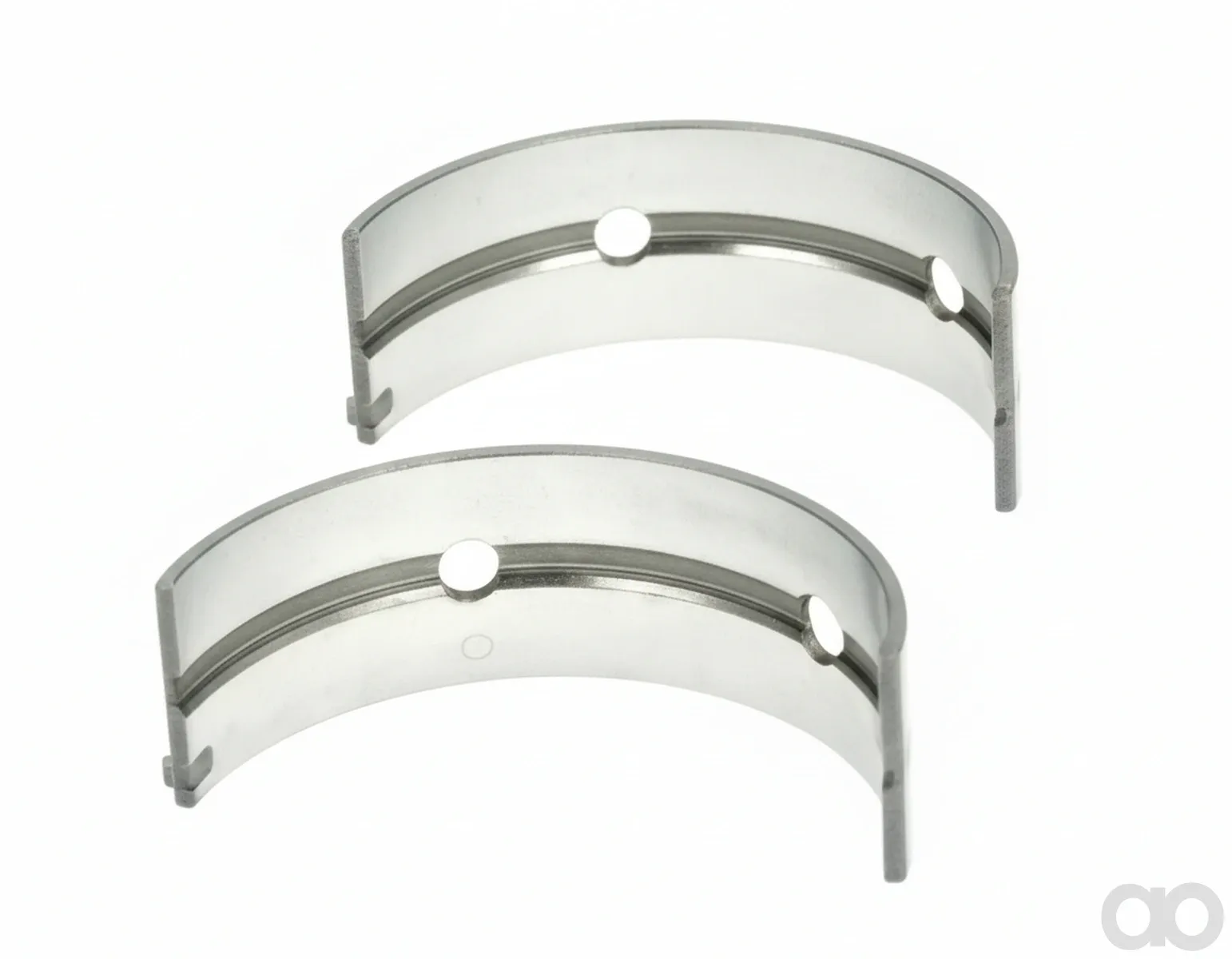
On most engines the shell with the oil hole and groove fits the block saddle, so the hole lines up with the oil gallery feed, and the plain shell fits the cap. Some engines use grooved shells in both positions. The oil hole must always align with the drilling in the block.
Caps are tightened from the centre journal outwards, alternating towards each end, in two or three stages up to the specified torque or torque plus angle. Each cap goes back in its original position and direction, as caps are machined in line with the block. Turn the crankshaft by hand after each cap to detect any binding.
On many engines yes. With the sump off and one cap removed at a time, the upper shell can be rolled out around the journal using a pin placed in the crankshaft oil hole, and the new shell rolled in the same way. It is a repair for sound journals only and does not allow the block-side seating to be inspected.
Fine circumferential scratches with embedded particles point to dirty oil. A polished or smeared overlay across the shell indicates oil starvation. Wear concentrated at one edge suggests a tapered journal or bent crankshaft, and wear heaviest on the centre shells indicates a bowed shaft or misaligned block bores. Shiny patches on the shell back show it has moved in its housing.
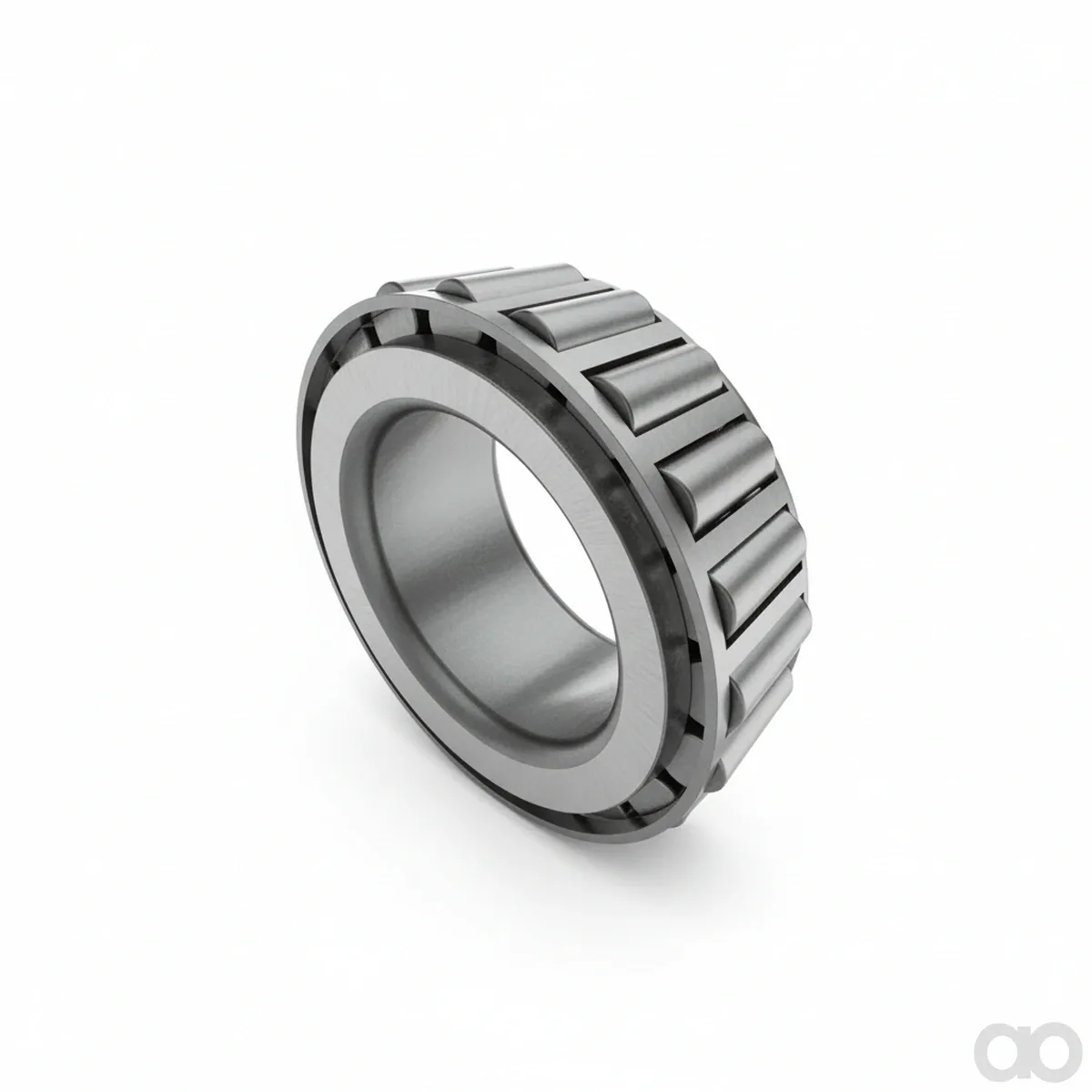
Bepco - AT21110 - Set of Main Bearings
Bepco
€90.41
Showing 1–48 of 1,271 parts