(2,635)
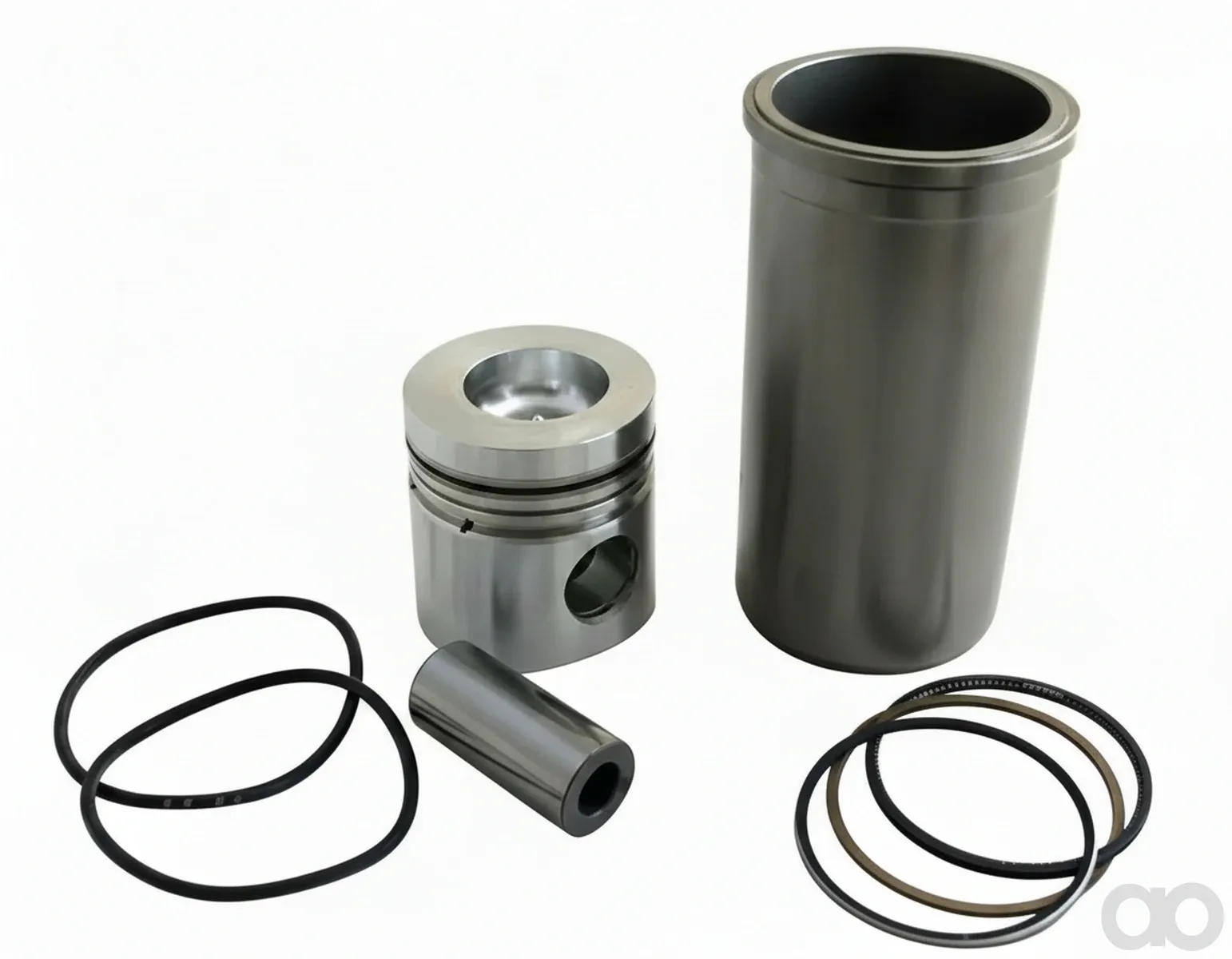
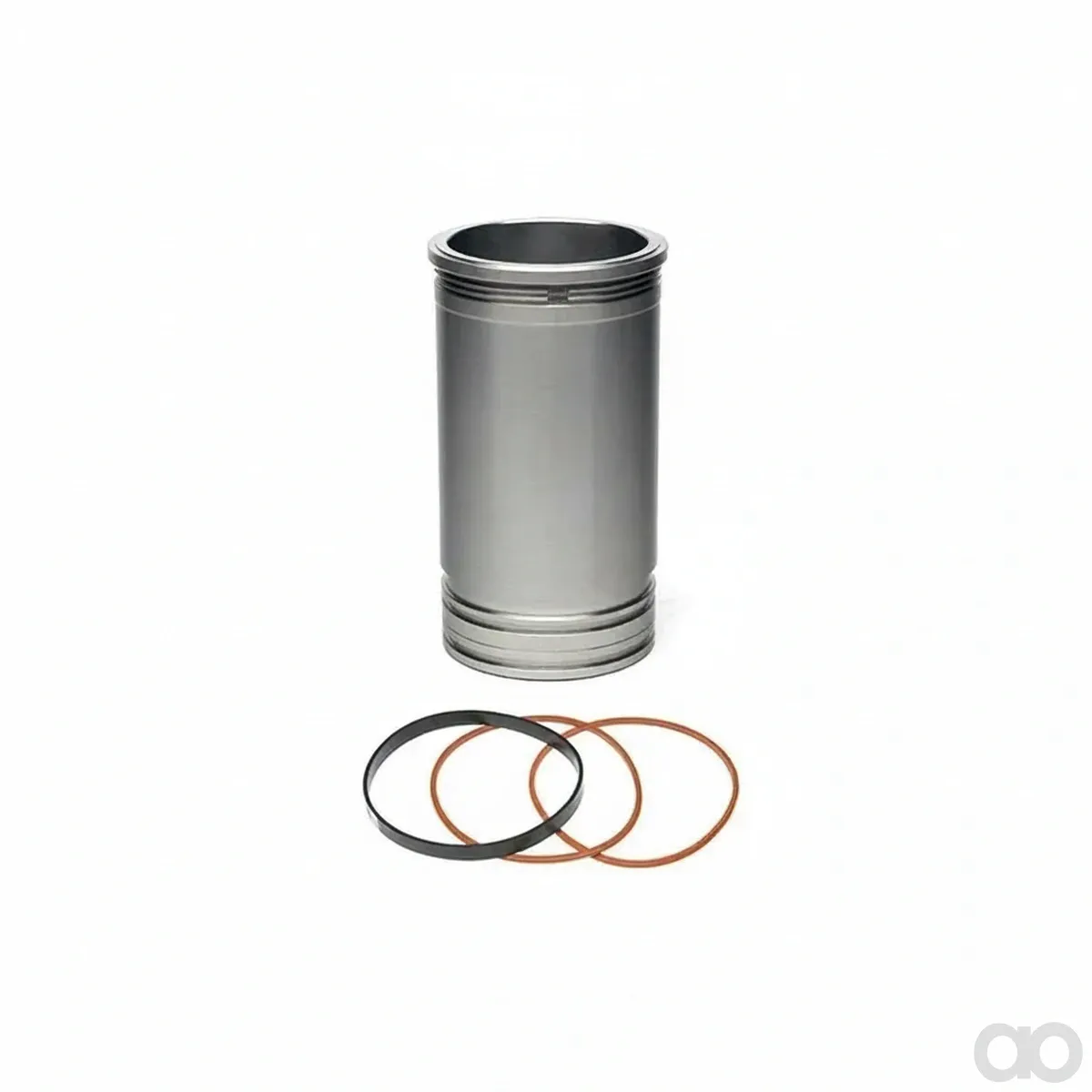
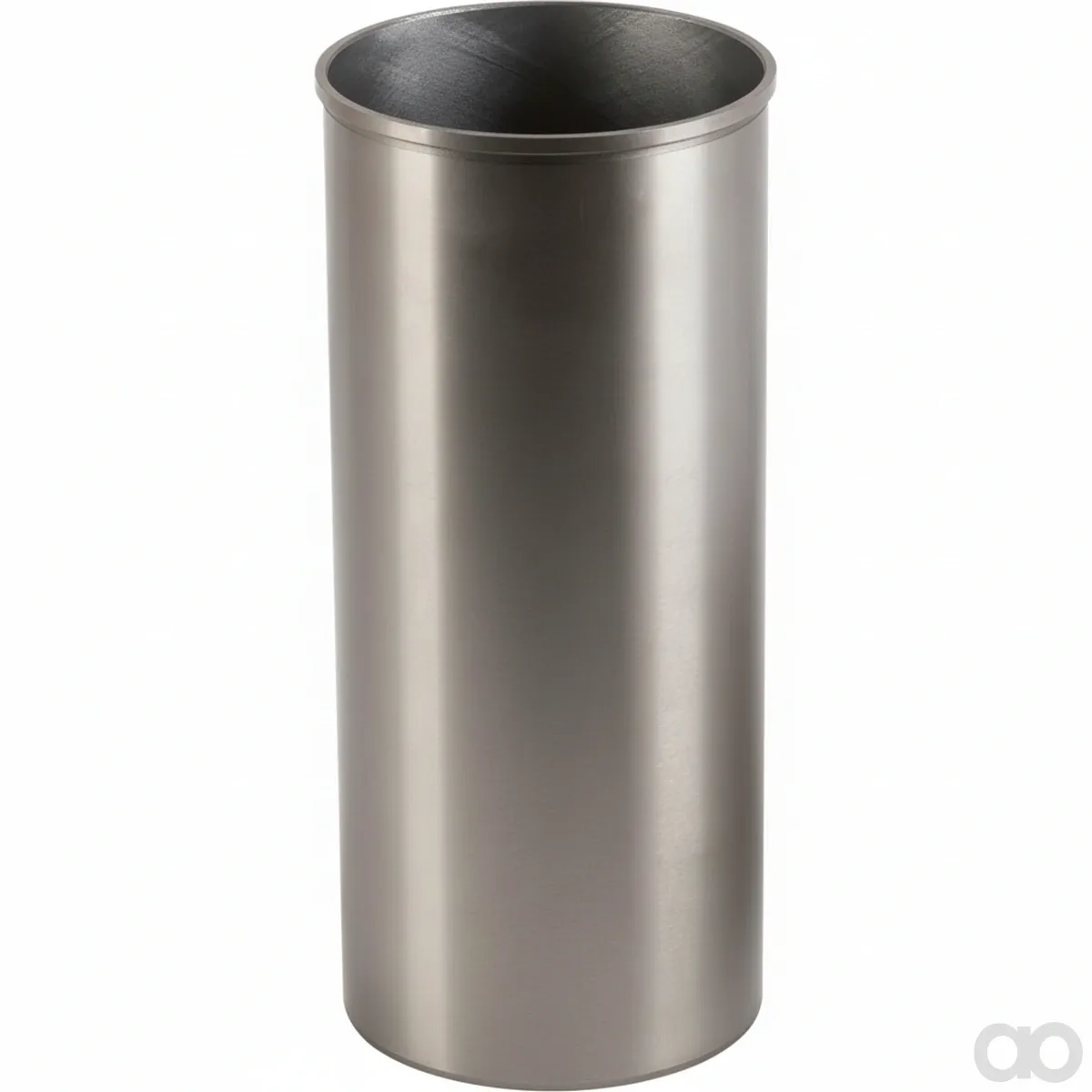
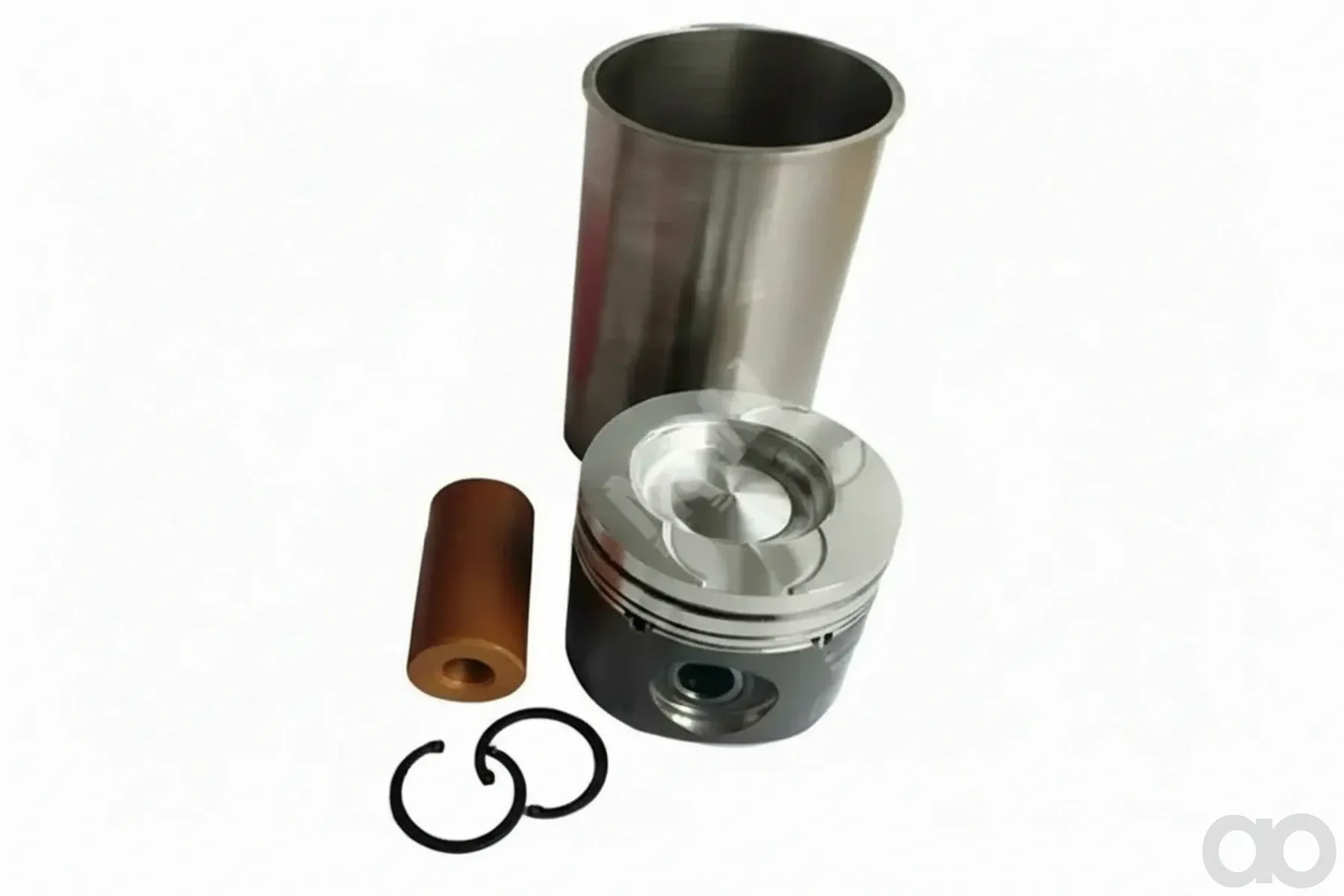
A wet cylinder liner forms the wall of the coolant jacket: coolant flows directly around it, and it is sealed by a flange at the top and O-rings at the bottom. A dry liner is a thin sleeve pressed into a bore machined in the block and has no contact with coolant. Wet liners can be changed with hand tools and a puller, while dry liners usually need a press and often machining afterwards. The two types cannot be swapped; the block is built for one or the other.
On most diesel engines a wet liner should stand roughly 0.03 to 0.10 mm above the block face, with some designs allowing up to about 0.15 mm. The difference between neighbouring cylinders should normally stay within about 0.03 to 0.05 mm. Protrusion is measured with a dial gauge at several points, with the liner clamped down and fitted without its O-rings. Too little protrusion lets the head gasket leak at the fire ring; too much can crack the liner flange. The exact figures come from the engine manufacturer.
Pitting on the coolant side of a wet liner is cavitation erosion. The liner wall vibrates each time the piston changes thrust side, vapour bubbles form in the coolant and collapse against the metal, and over time they drill small holes that can reach the bore. It is usually worst on the thrust side. Prevention depends on coolant containing the correct inhibitor at the right concentration, changed at the specified interval, and on a pressure cap that holds system pressure. Plain water accelerates the damage sharply.
A cylinder liner should be replaced when bore taper or ovality exceeds roughly 0.10 to 0.15 mm on a bore of around 100 mm, when there is a pronounced wear ridge at the top of ring travel, or when the surface is scored deeply enough to catch a fingernail. Cavitation pitting on the coolant side, cracks and a damaged flange are also grounds for replacement. New rings fitted in a bore worn beyond these limits will not seal and oil consumption will stay high.
Finished cylinder liners are supplied with the cross-hatch hone pattern already applied, usually at an included angle of about 40 to 60 degrees, and need only thorough cleaning and oiling before assembly. Honing them again removes material and can take the bore out of tolerance. Semi-finished dry liners are different: they are supplied with machining allowance and must be bored and honed to final size after being pressed into the block.
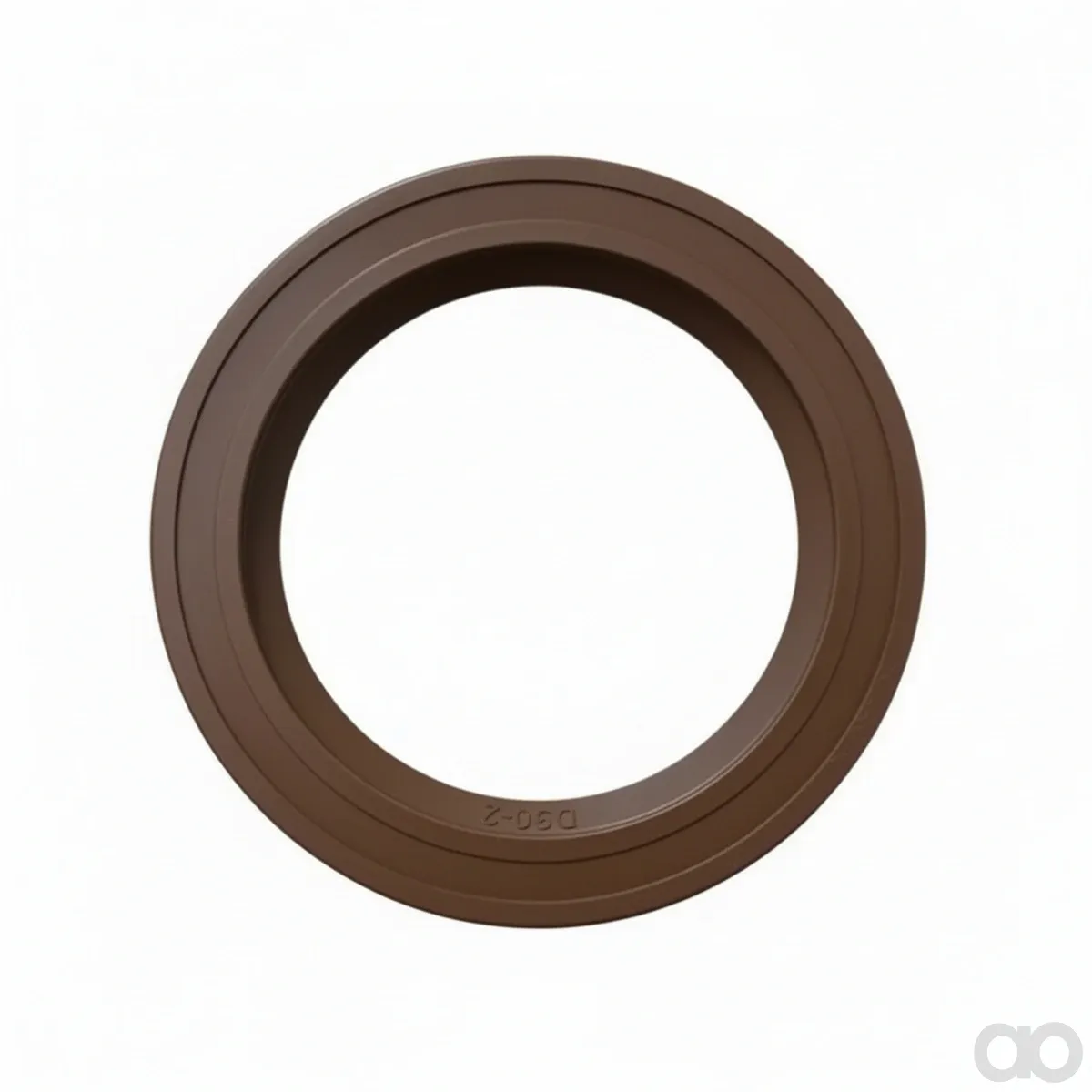
Liner O-rings should be fitted clean, untwisted and lubricated with the lubricant the engine maker specifies, commonly soapy water or a dedicated assembly paste. Mineral oil should not be used on EPDM rings because it makes them swell. Where a liner carries rings of different colours they are different materials, typically one for the coolant side and one for the oil side, so each must go in its own groove. Push the liner home by hand pressure or with a suitable tool and check protrusion afterwards to confirm no ring has rolled.
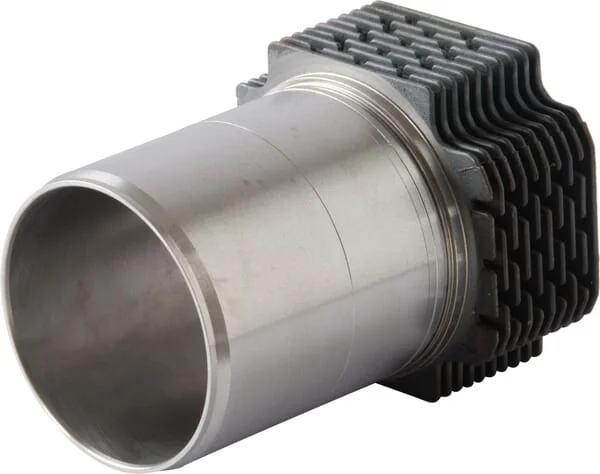
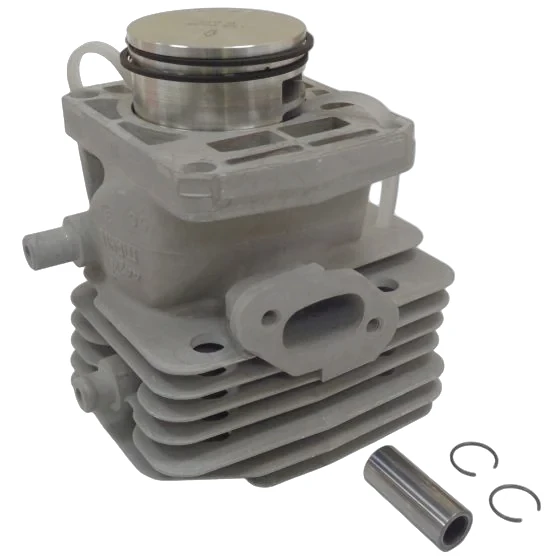
Raico - 00851120010N - Cylinder
Raico
€135.43
Showing 1–48 of 2,635 parts