(2,968)
Showing 1–48 of 2,968 parts
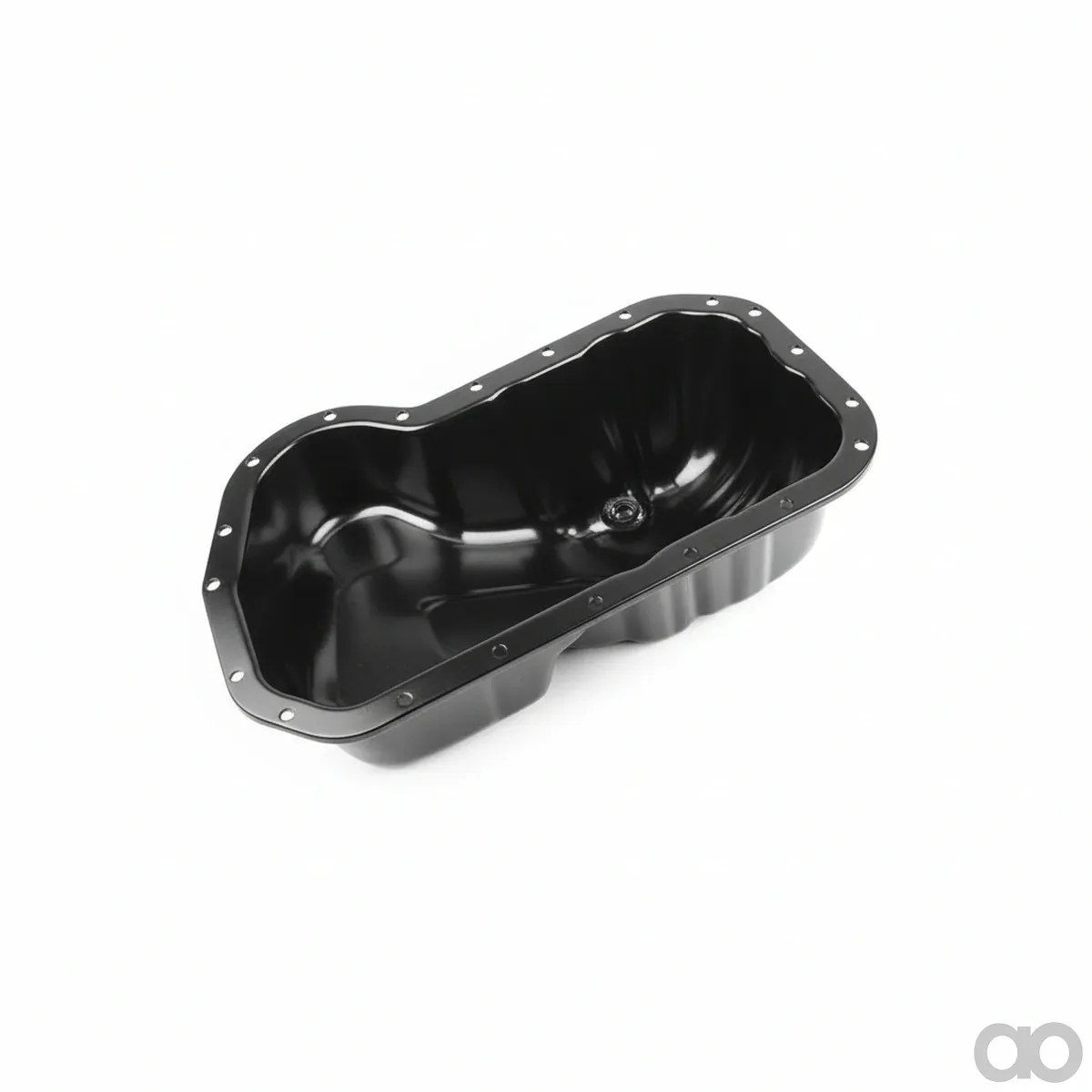
A shallow dent away from the pickup is usually harmless. A dent under the well is not: the oil pump strainer typically sits only about 6 to 10 mm above the pan floor, and pushing the floor up restricts or blocks the pickup, causing low oil pressure, pump cavitation and bearing damage. A dent in that area, or any dent that has creased the metal or disturbed the flange, means the pan should come off for inspection or replacement.
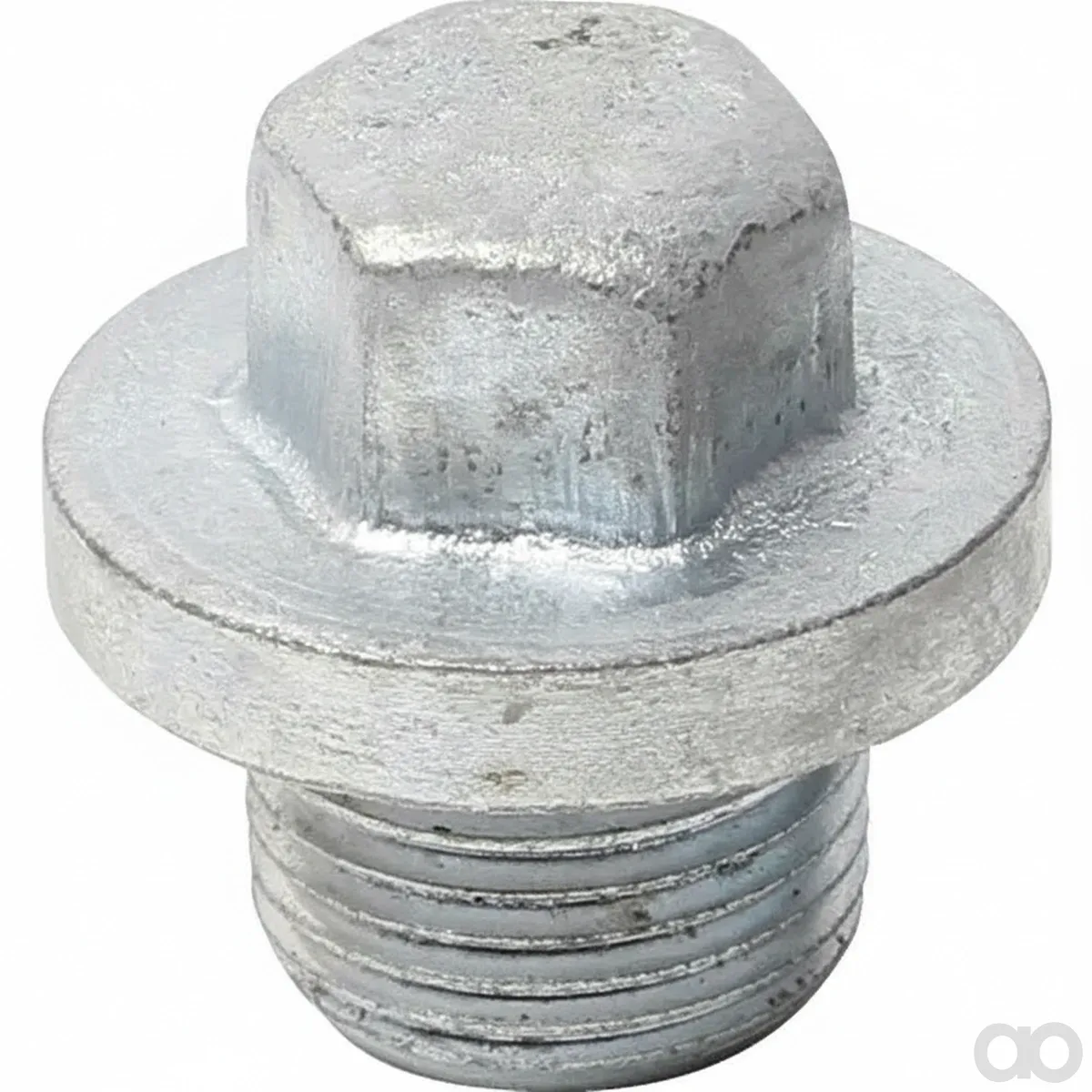
There are three accepted repairs. A wire thread insert or solid bush restores the original thread size and is the most durable. An oversize self-tapping drain plug cuts a new, slightly larger thread and suits pressed-steel pans with a welded nut. On steel pans a new threaded boss can be welded in with the pan removed and cleaned. Sealing tape or sealant on a damaged thread is not a repair.
Typical figures are about 25 to 35 Nm for an M14 x 1.5 plug, 35 to 45 Nm for M18 x 1.5 and 50 to 60 Nm for M22 x 1.5 in a steel or cast iron pan, with the lower end of each range used in aluminium. A new copper, aluminium or bonded sealing washer is fitted each time; reusing a work-hardened washer is the usual reason plugs get over-tightened and threads strip.
It depends on the joint design. Where a gasket is specified it is fitted dry, with a small dab of oil-resistant silicone only at corners where the block meets a timing cover or rear seal carrier. Where the pan was designed for a formed-in-place seal, a continuous 2 to 3 mm bead of oil-resistant silicone is run inside the bolt holes and the pan is fitted within about 10 minutes.
The cause is nearly always at the pickup. An impact can bend the pickup pipe or crack its bracket so the pump draws air. A replacement pan with a different depth or well position leaves the strainer too high, exposed on slopes, or pressed against the floor. Sealant squeezed into the pan can also break off and clog the strainer mesh. Level, pickup clearance and the strainer are checked first.
Cast aluminium pans can be TIG welded once removed, thoroughly degreased and preheated, though oil soaked into the casting makes a sound weld difficult. Cast iron needs brazing or specialist nickel-rod welding and is less reliable. Epoxy metal repair is a temporary measure only. A structural cast sump that carries chassis loads should be replaced, not welded, because a failed repair there affects the machine's frame.