(1,581)
It often means the oil cooler has failed internally. With the engine running, oil pressure of around 3 to 5 bar is far higher than the roughly 1 bar in the cooling system, so a perforated plate or failed seal pushes oil into the coolant, where it forms a brown sludge in the expansion tank. A head gasket fault can produce the same sign, so the cooler is pressure tested off the engine before the head is lifted.
Generally not. Metal debris from a failed bearing, pump or turbocharger lodges in the fine passages of a cooler and cannot be reliably flushed out. It is then released into the rebuilt engine or the new hydraulic pump. Standard practice after a failure that produced metal particles is to replace the cooler along with the filters and to flush the connecting lines.
Most mobile hydraulic systems are designed to run with tank oil at about 40 to 60 degrees C. Sustained operation above roughly 80 degrees C shortens oil and seal life sharply, and as a rule of thumb oil life halves for every 10 degrees C above 60. Engine oil runs hotter, typically 90 to 110 degrees C in the sump at working temperature.
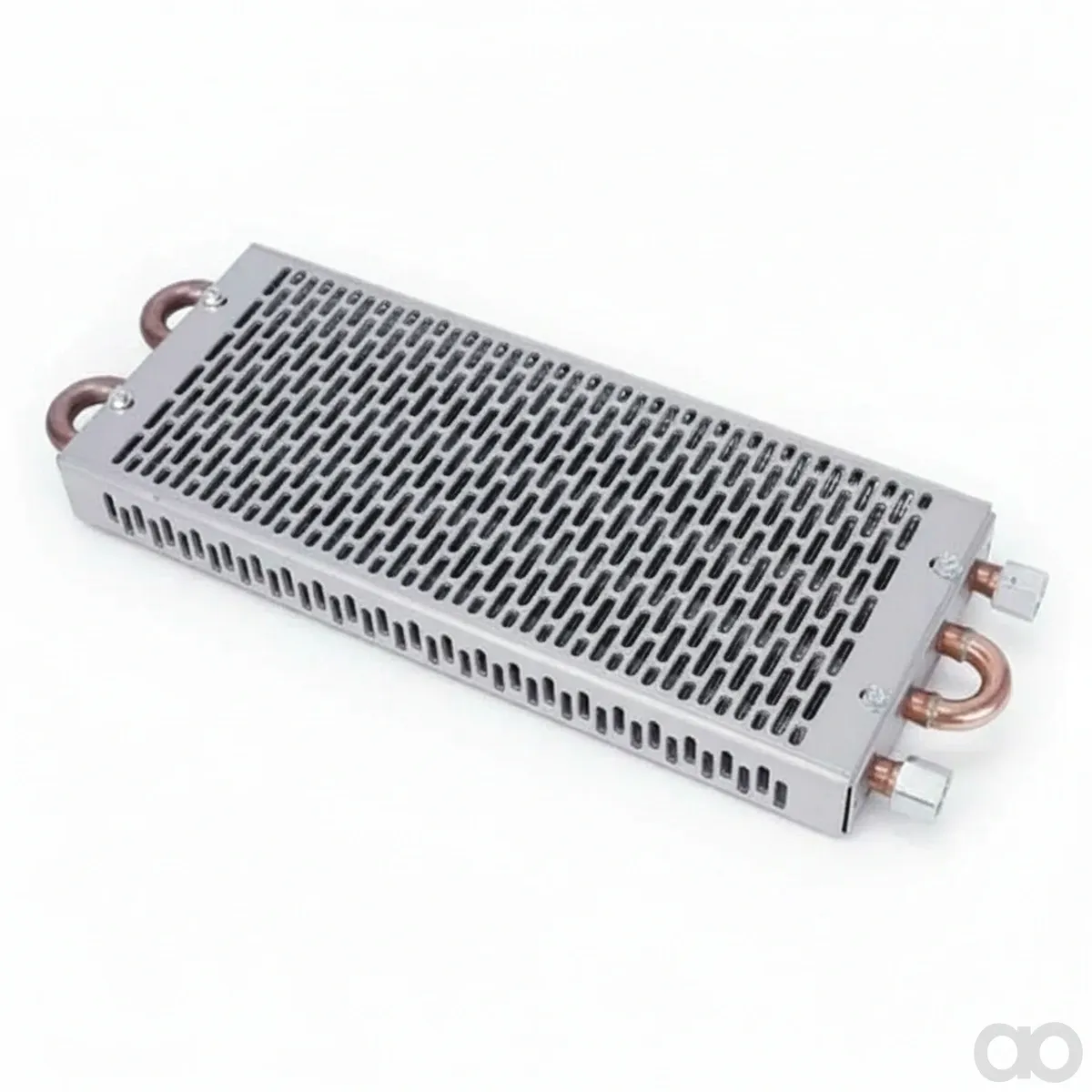
Blow compressed air through the core from the clean side toward the dirty side, opposite to the normal airflow, keeping the nozzle square to the fins and a hand's width away. Oily dirt is loosened first with a neutral, aluminium-safe cleaner and rinsed with low-pressure water. A pressure washer held close folds the fins flat and blocks the airflow permanently.
By the heat it has to remove. A common estimate is that 25 to 30 percent of the installed drive power in a hydraulic system ends up as heat, less what the tank and pipework shed naturally. The cooler is then chosen from its performance data so that it rejects that many kW at the system's oil flow and at the expected difference between oil temperature and ambient air temperature.
Normally in the low-pressure return line to the tank, or in a separate offline circulation loop with its own small pump. Aluminium bar-and-plate coolers are commonly rated for around 20 bar or so of working pressure and are not built for main system pressure. Pressure spikes in the return line when cold are limited by a bypass valve set to open at a few bar.
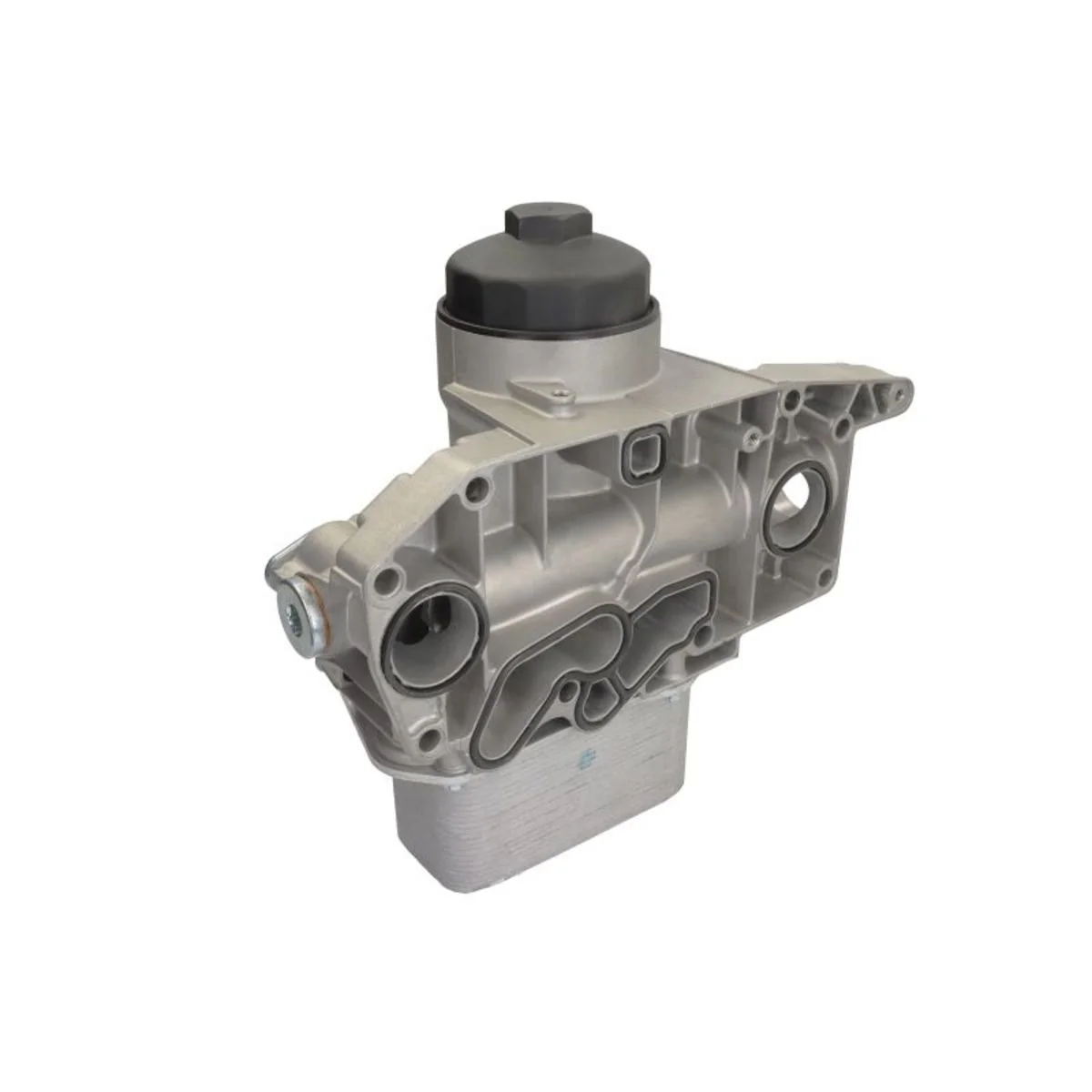
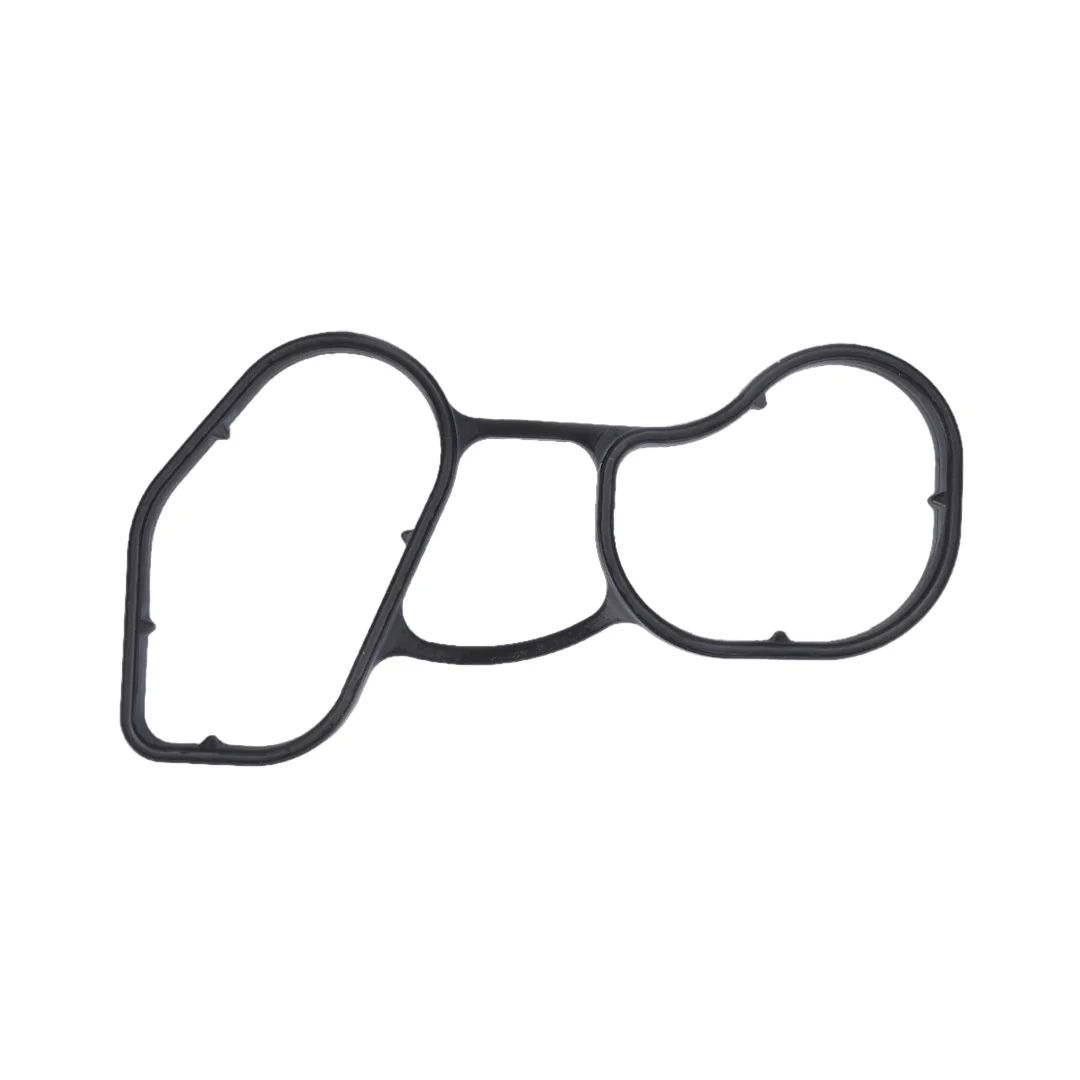
Yes. The O-rings and gaskets between the cooler, its housing and the block harden with heat and take a permanent set, and a failed seal there produces the same oil and coolant cross-contamination as a failed cooler. New seals are fitted lightly oiled into clean grooves, and the cooling system is flushed and refilled afterwards.

Granit - 74712085 - Oil Cooler Hose Claas
Granit
€12.58
Showing 1–48 of 1,581 parts