(3,486)
On a turbocharged diesel a leaking intake manifold or gasket lets boost escape, which shows as loss of power under load, black smoke, higher fuel consumption, raised exhaust temperature and often an audible hiss or whistle. On a naturally aspirated engine the leak draws air in rather than blowing it out, and if the leak is on the engine side of the air filter that air is unfiltered, so the long-term result is dust wear in the bores.
As a guide, M8 intake manifold fasteners in an aluminium or iron manifold are commonly tightened to 20 to 25 Nm and M10 fasteners to around 40 to 50 Nm, working in stages from the centre of the manifold outwards. Polymer manifolds with M6 fasteners take far less, often 8 to 10 Nm, and crack if overtightened. Where the engine manufacturer publishes a figure and sequence, that takes precedence.
A cracked aluminium intake manifold can usually be TIG welded and the flange face machined flat again, and this is a reasonable repair when a replacement is hard to find. Cast iron can be brazed or welded but the repair is less dependable, and polymer manifolds should be replaced. After any repair the flange should be flat to within about 0.1 mm across its length, otherwise the gasket will not seal.
Yes. An intake manifold gasket takes a permanent set once it has been clamped and heated, so it will not seal reliably a second time. Clean both faces to bare metal without gouging them, fit the new gasket dry unless the engine manufacturer specifies a sealant, and tighten the fasteners evenly from the centre outwards.
A two-stroke engine is lubricated by the oil mixed into its fuel. A split or perished intake boot lets extra air in after the carburettor, which leans the mixture, so the engine runs hotter while receiving less oil. The usual warning signs are an idle that will not settle and revs that hang high after the throttle is released; continued running ends in a scored or seized piston.
Heavy soot and oil deposits from exhaust gas recirculation are best removed with the manifold off the engine, by scraping the runners and soaking the casting in a solvent or hot degreasing bath, then drying it fully. Cleaning in place is risky because loosened deposits are drawn into the cylinders. The EGR valve and cooler should be cleaned or checked at the same time, or the deposits return quickly.
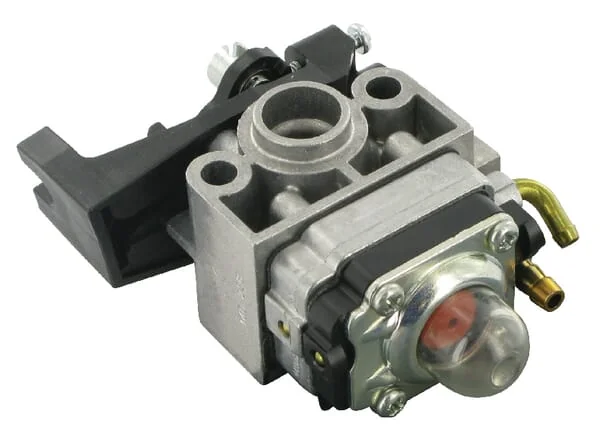
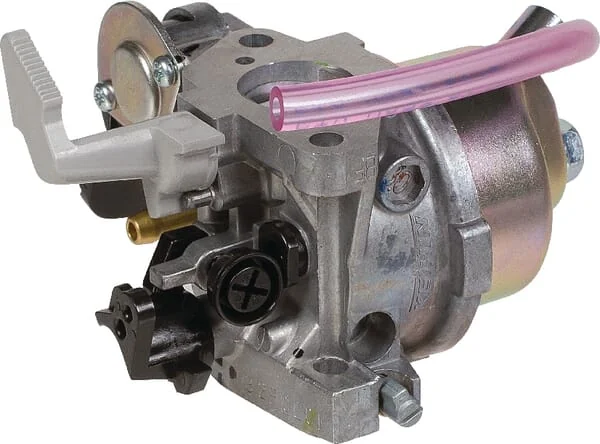
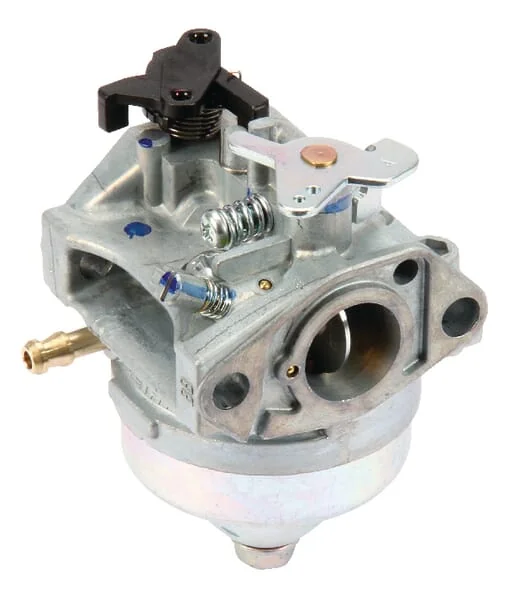
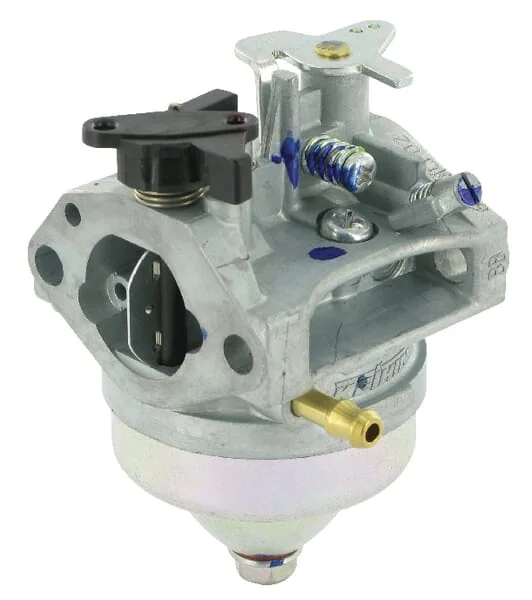
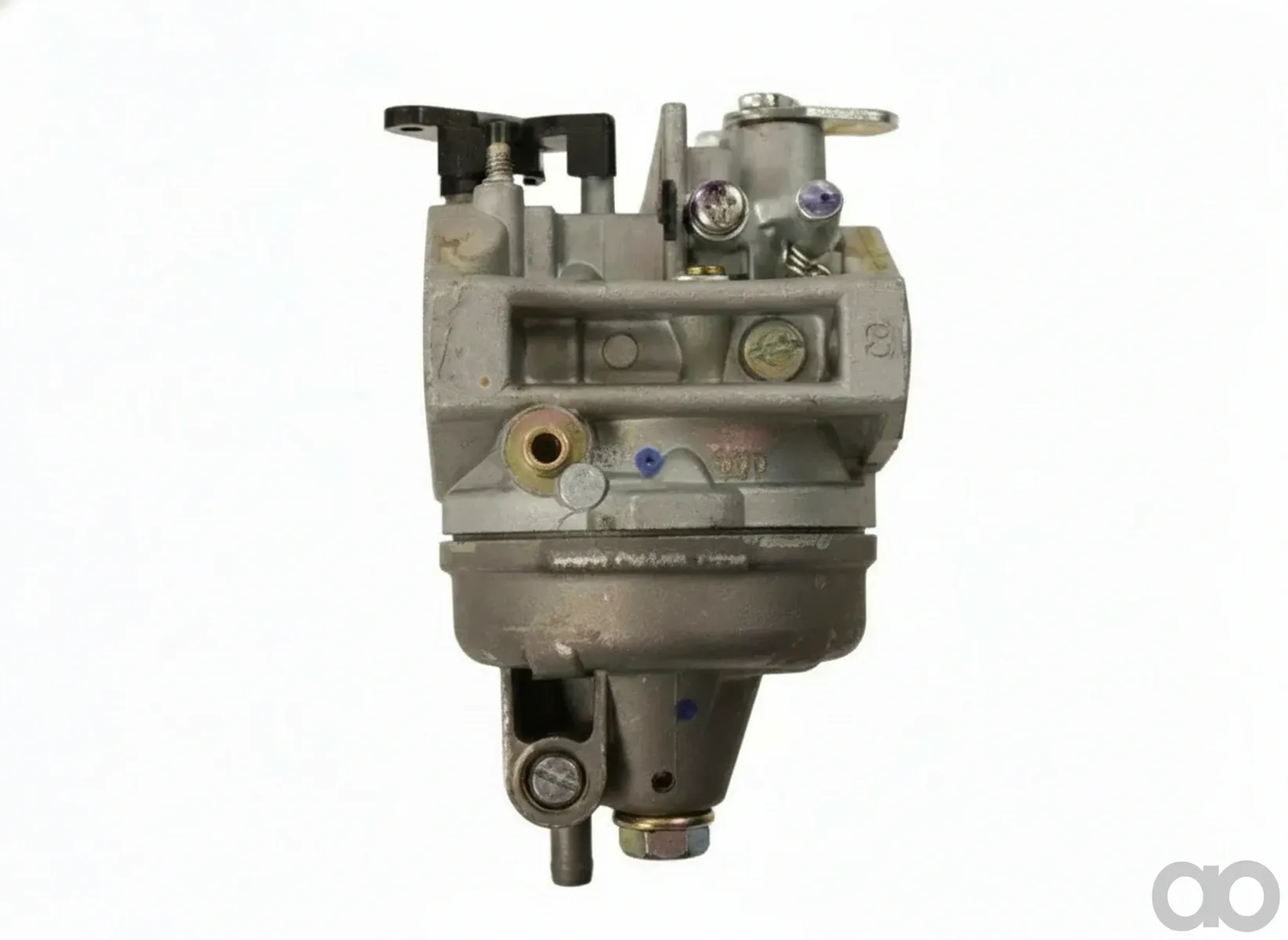
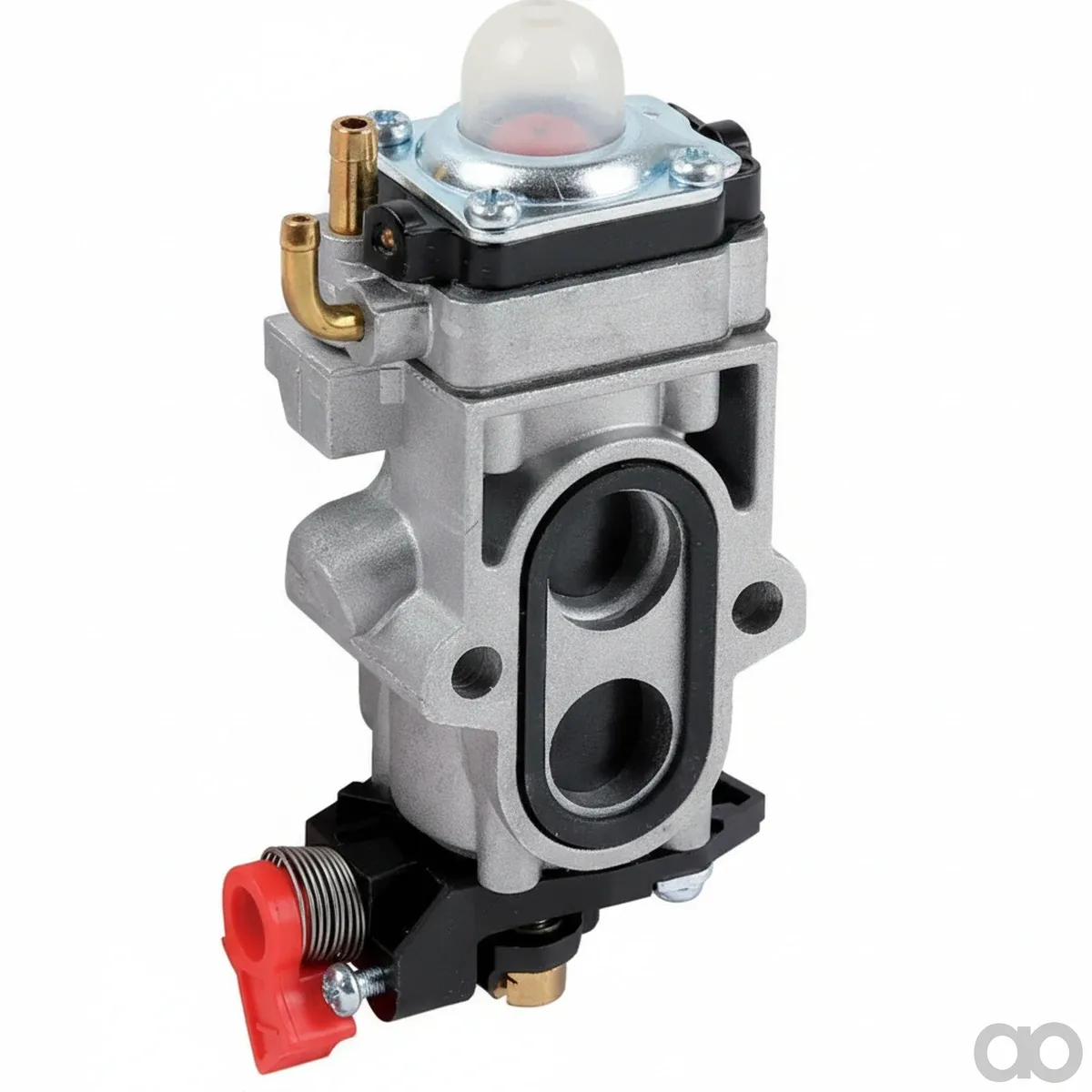
Honda - 16100Z0Z815 - Carburetor Assembly
Honda
€110.27
Showing 1–48 of 3,486 parts