(3,012)
Some side-to-side (radial) play is normal in a turbocharger with plain bearings, because the shaft floats on an oil film when running; the acceptable figure varies by turbocharger and is given in its service data, so the test that travels is that neither wheel can be made to touch its housing. In-and-out (axial) play should be barely detectable, generally under about 0.1 mm. Wheel contact marks or clear axial movement mean the unit is worn out.
The four usual causes of turbocharger failure are oil starvation or delayed oil supply, dirty or degraded oil that scores the bearings, foreign objects striking the compressor or turbine wheel, and overspeed or overheating caused by boost leaks, a blocked air filter or over-fuelling. Because the cause is nearly always outside the turbocharger, a replacement fitted without correcting it tends to fail the same way.
After heavy work, let the engine idle for about two to three minutes before switching off; after light work 30 seconds is enough. Stopping a hot engine immediately cuts the oil supply while the shaft is still spinning and the turbine housing is at its hottest, which bakes the oil in the bearing housing into carbon and eventually blocks the oil passages.
Oil from a new turbocharger is rarely a fault in the unit. Its shaft seals are piston-ring type and rely on correct pressures on each side, so they leak when the oil drain is restricted or kinked, when crankcase pressure is high because of a blocked breather or engine wear, when the sump is overfilled, or when a blocked air filter creates suction behind the compressor wheel. Check those four points before removing the turbocharger.
Most turbocharged tractor and construction diesels produce roughly 0.8 to 1.8 bar of boost at full load and rated speed, measured at the intake manifold; the exact figure is engine-specific. Boost can only be judged under load, not by revving a stationary engine. If the reading is low, pressure-test the hoses, intercooler and manifold joints for leaks before suspecting the turbocharger.
On many variable-geometry turbochargers the actuator can be changed separately, but an electronic actuator normally has to be calibrated to the vane travel and recognised by the engine controller, which needs the correct setting procedure or diagnostic equipment. It is also worth confirming that the vanes move freely first, because soot-seized vanes are a frequent reason an actuator appears to have failed.

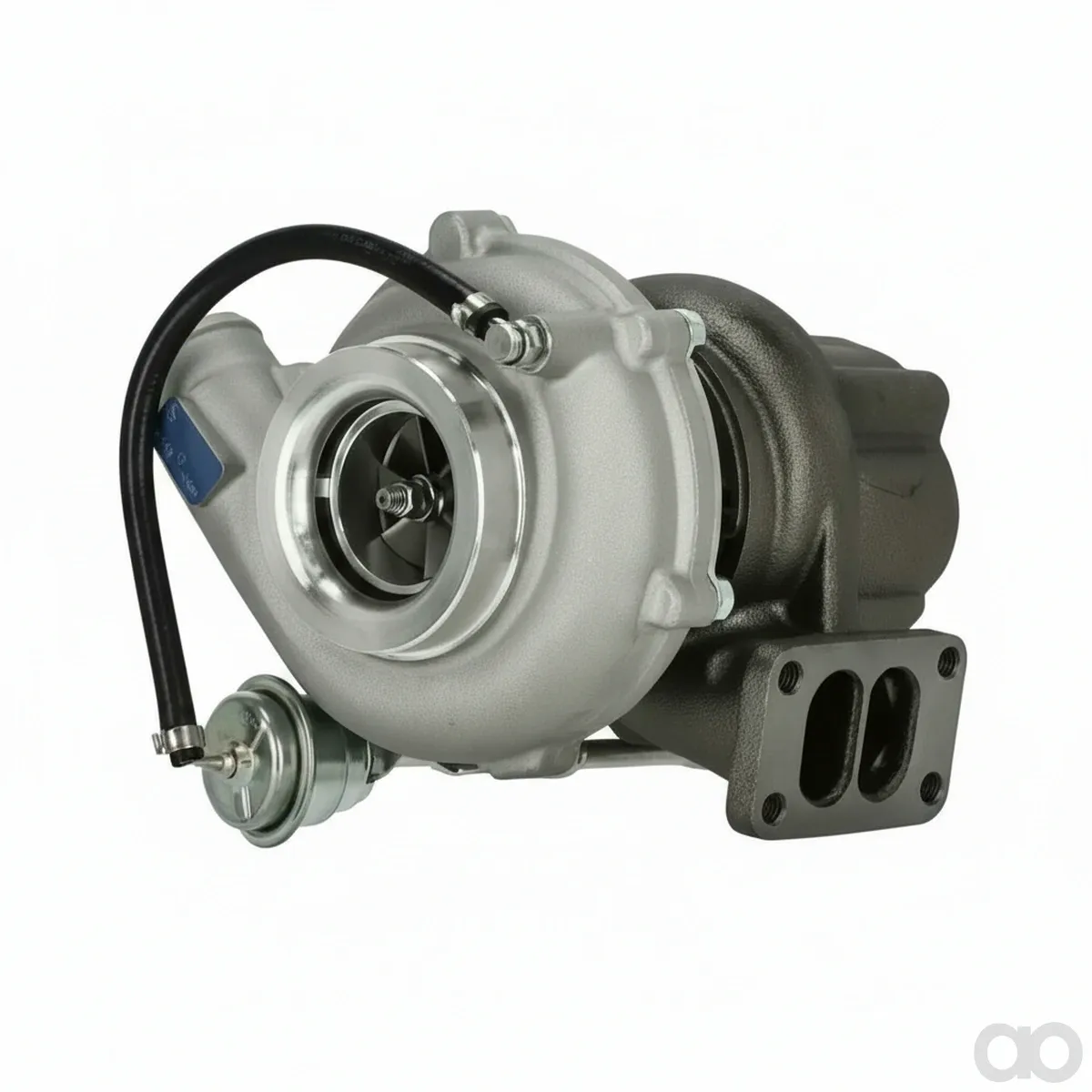
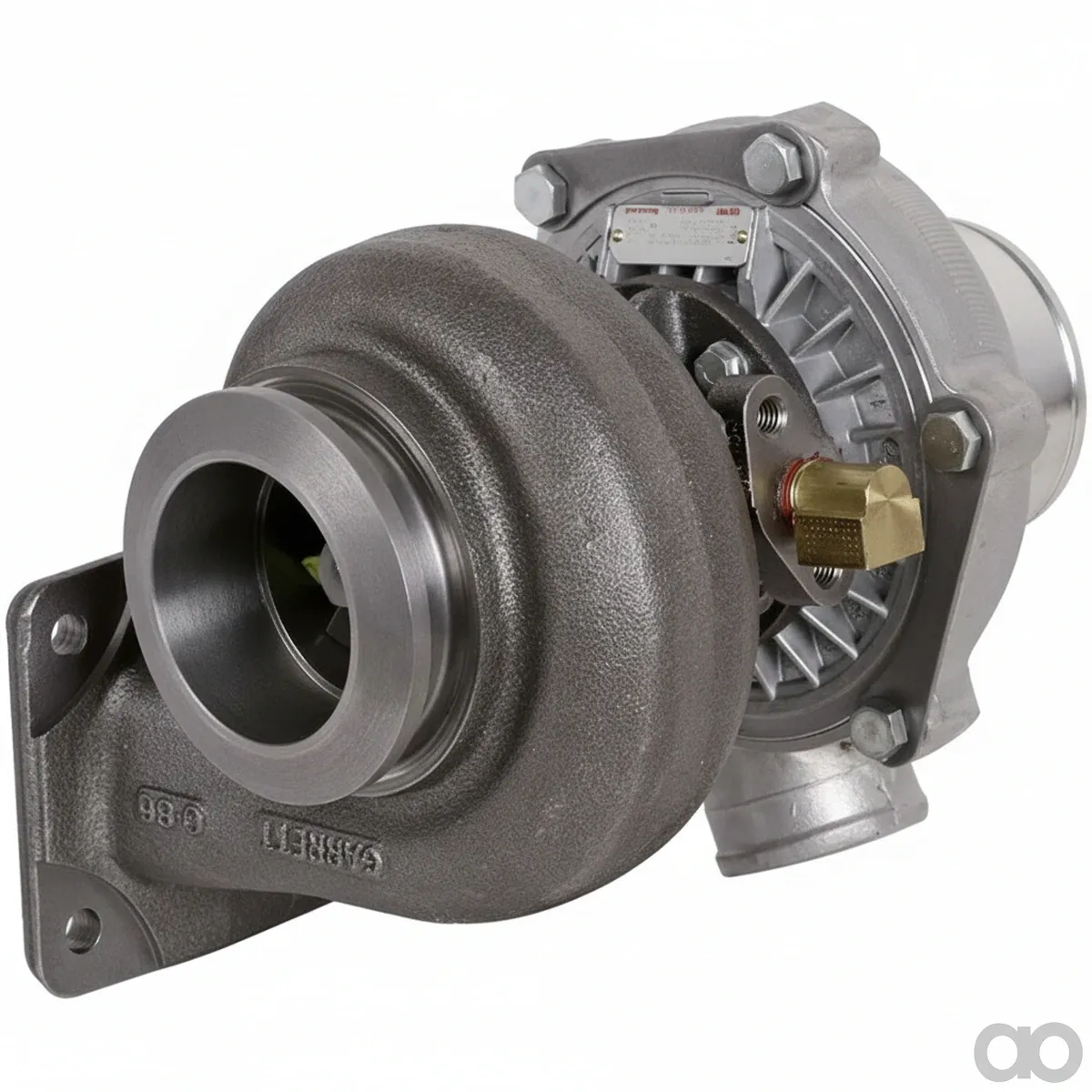
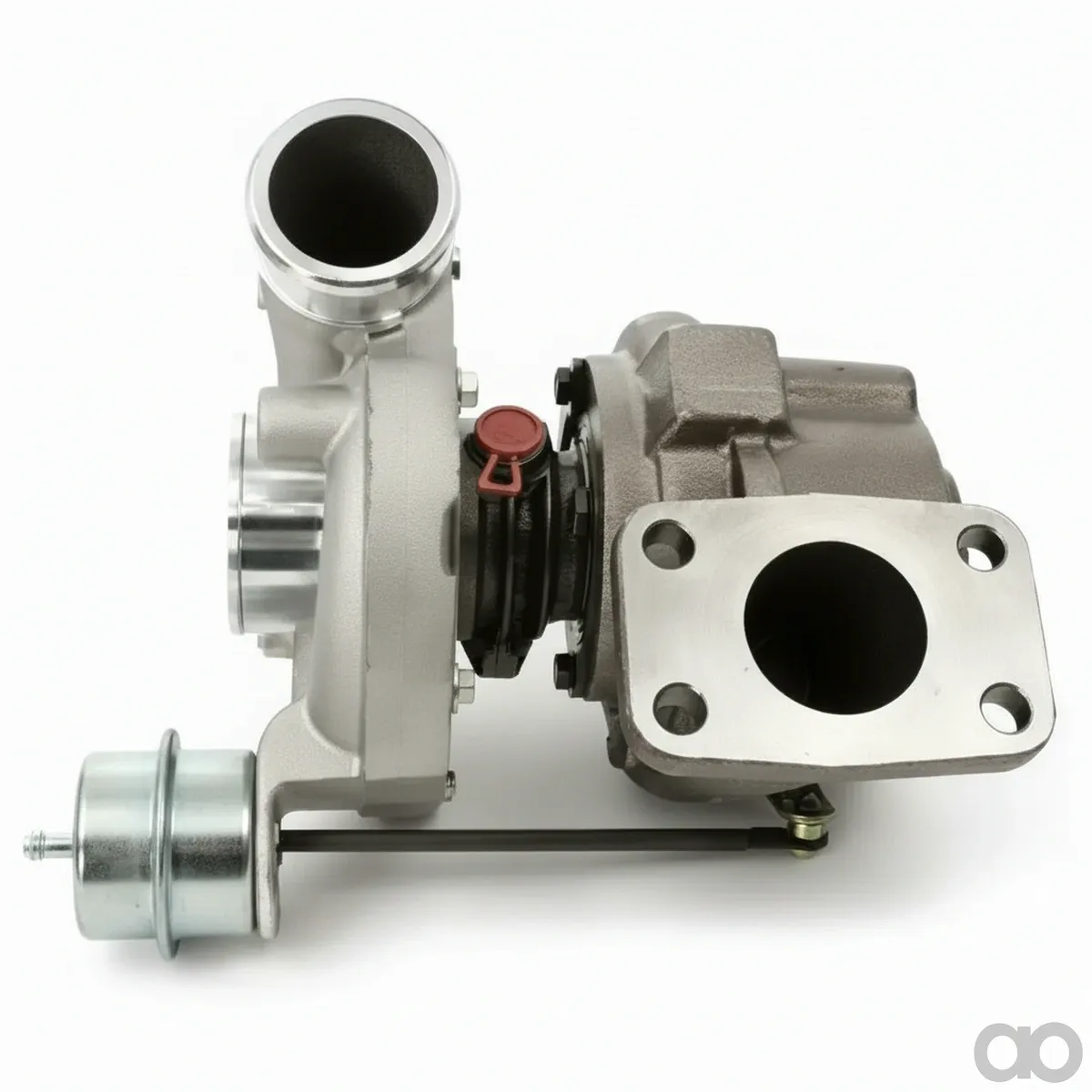
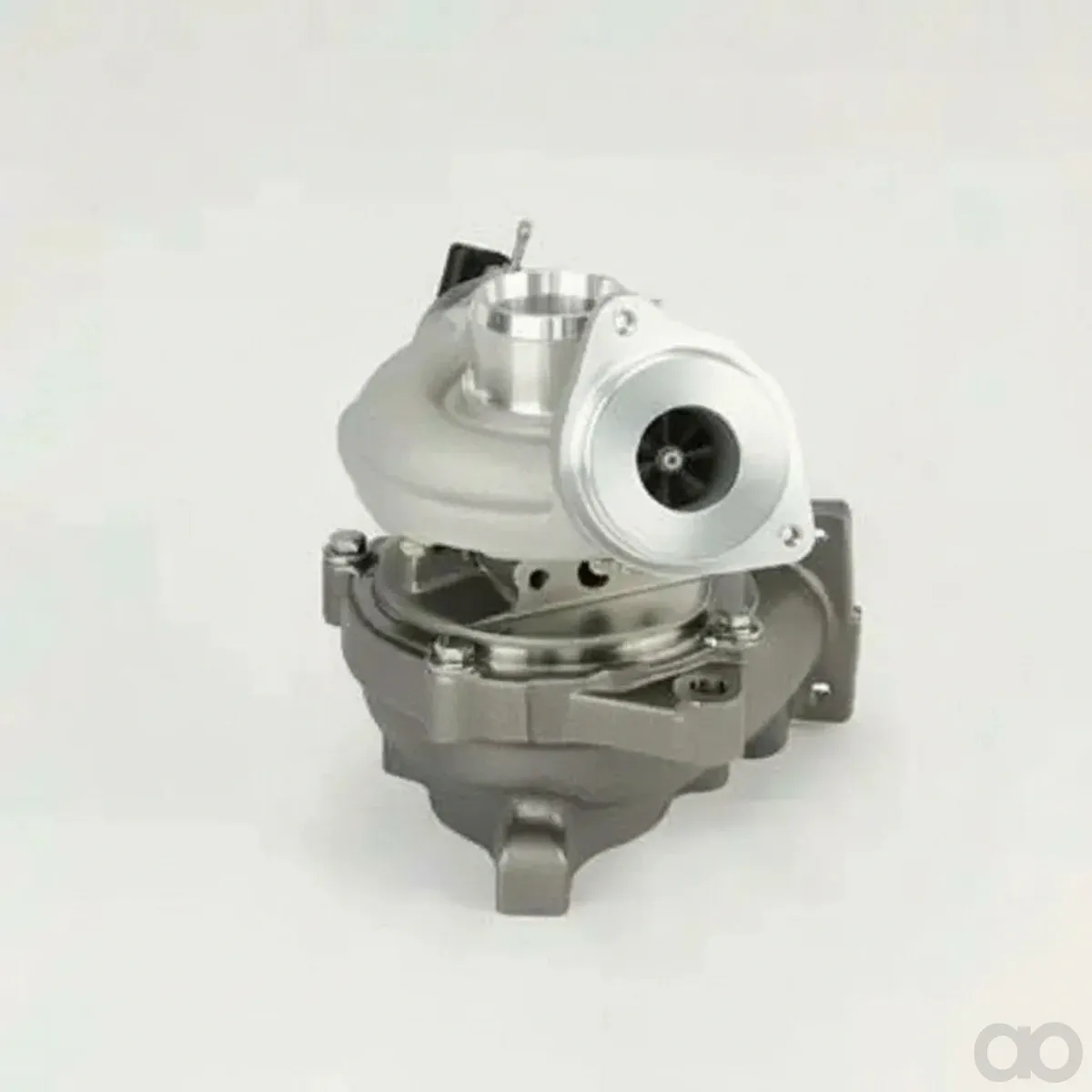
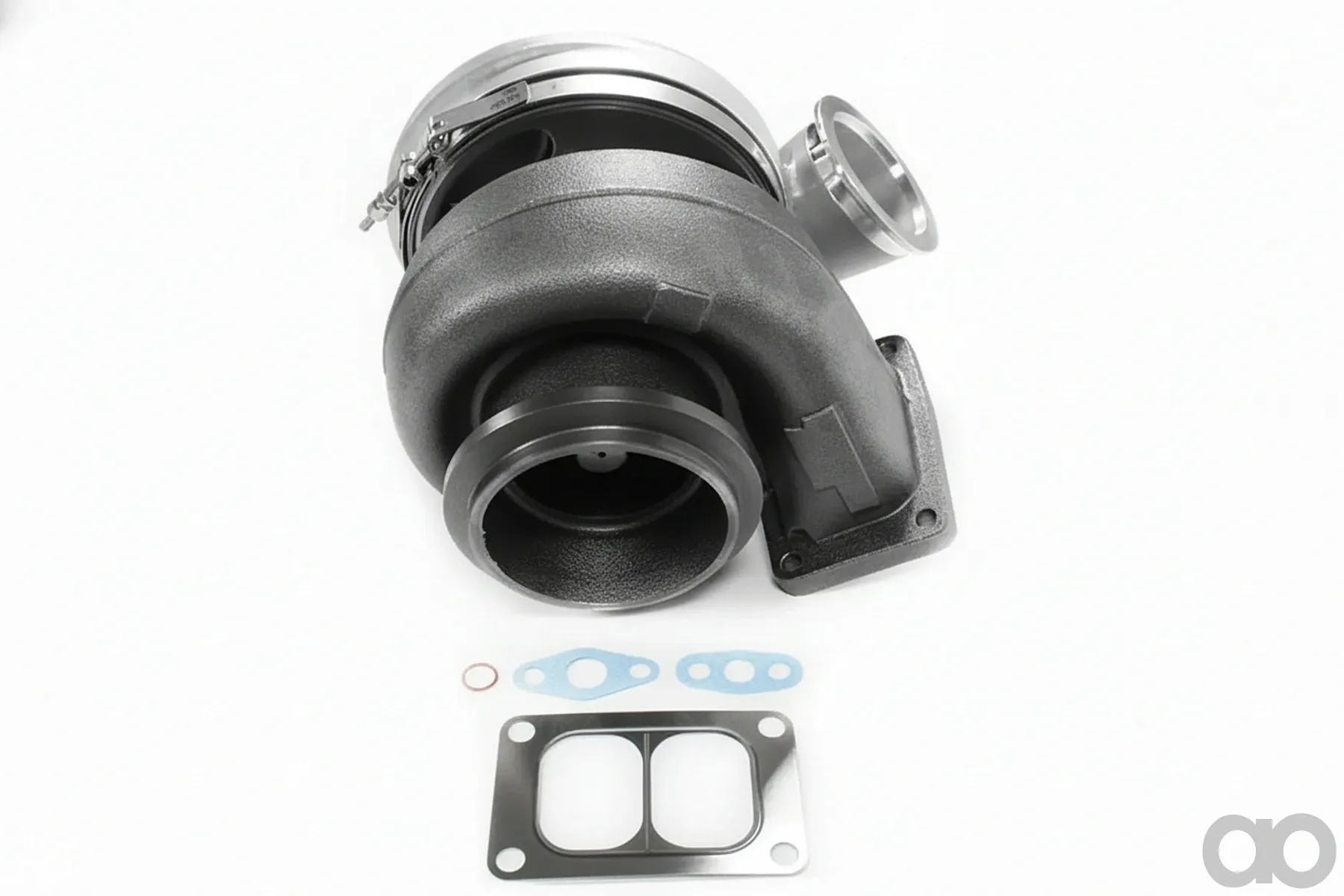
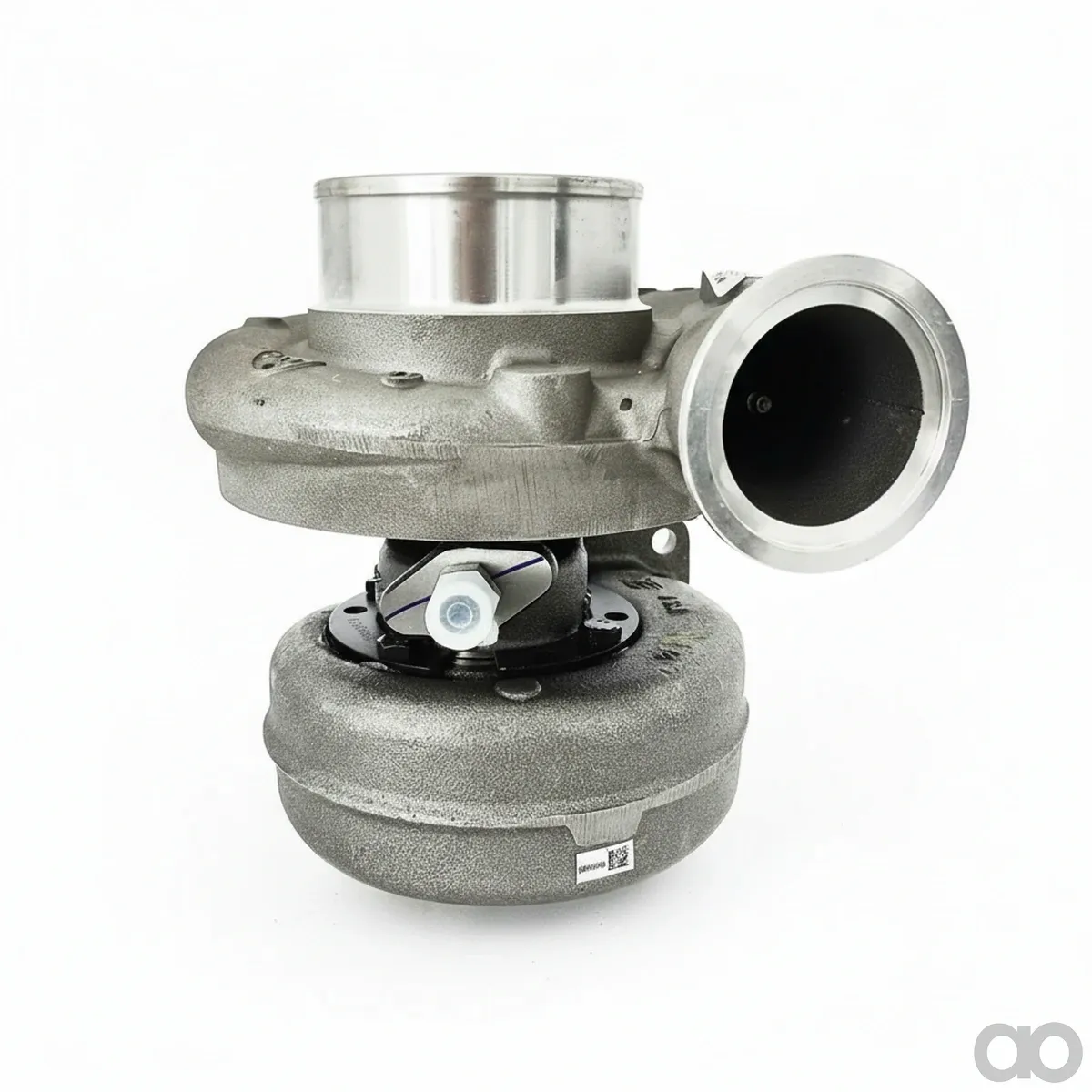
Holset - 4033133 - Turbocharger Fendt
Holset
€885.48
Showing 1–48 of 3,012 parts