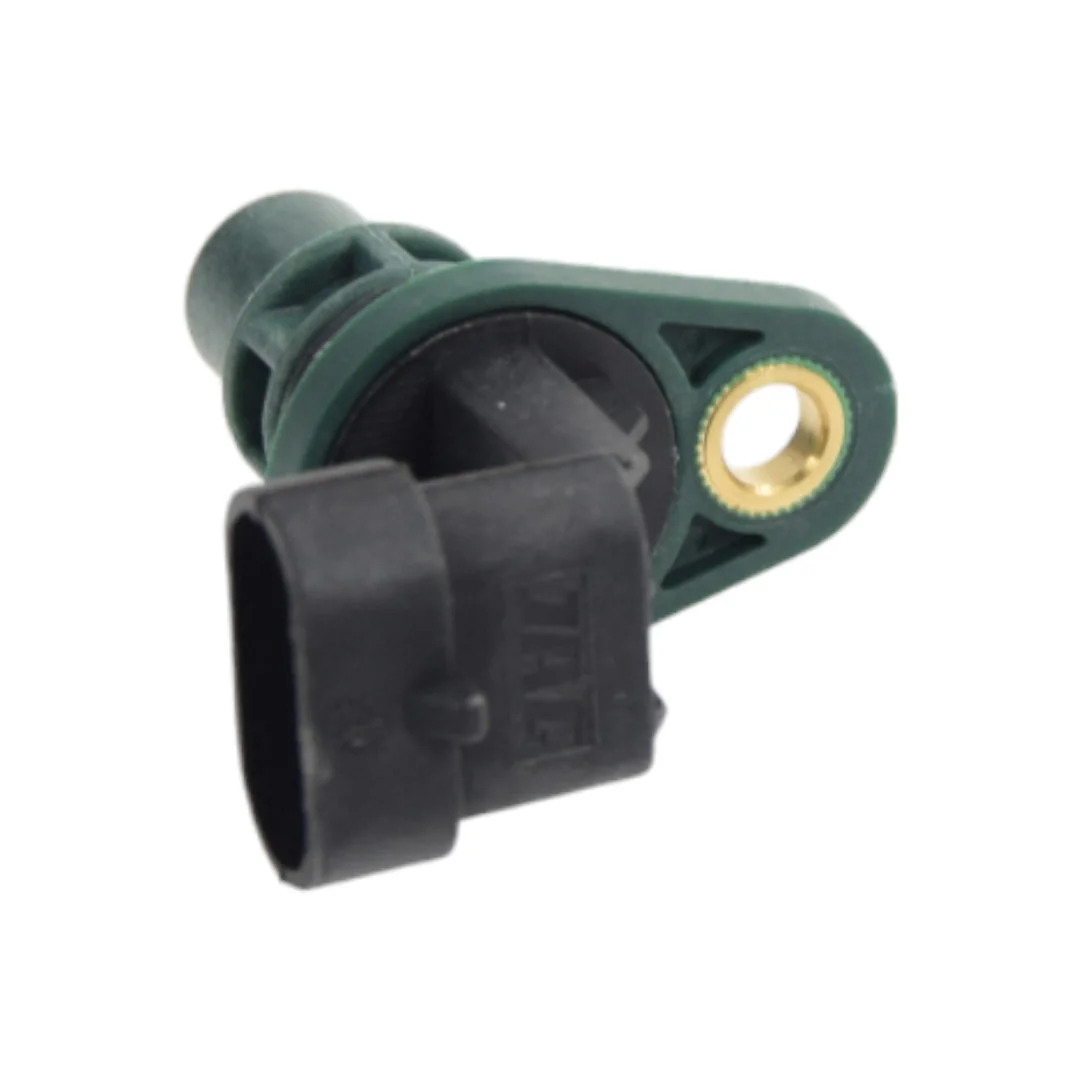
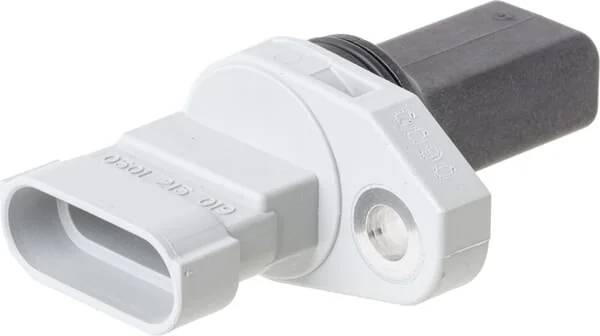
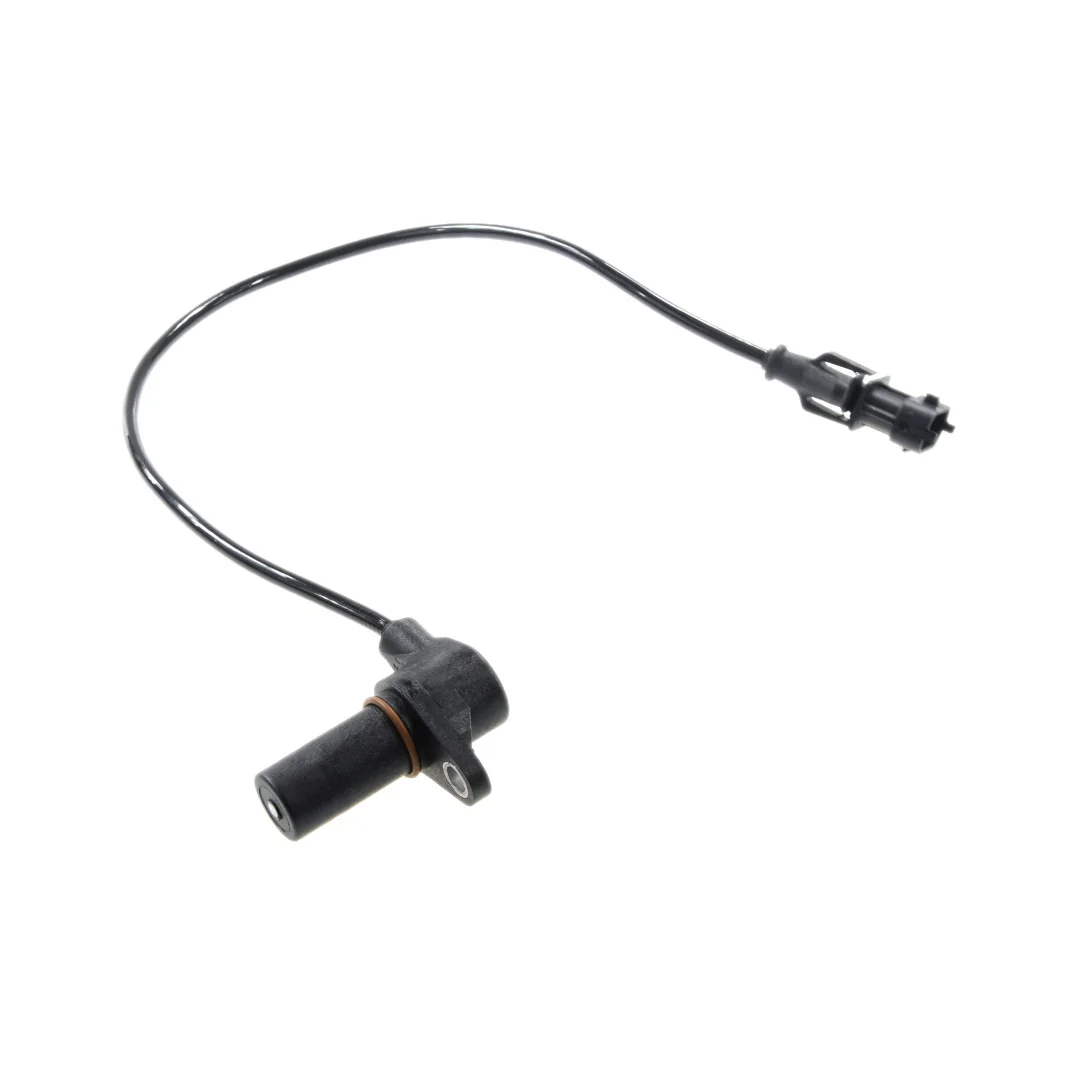
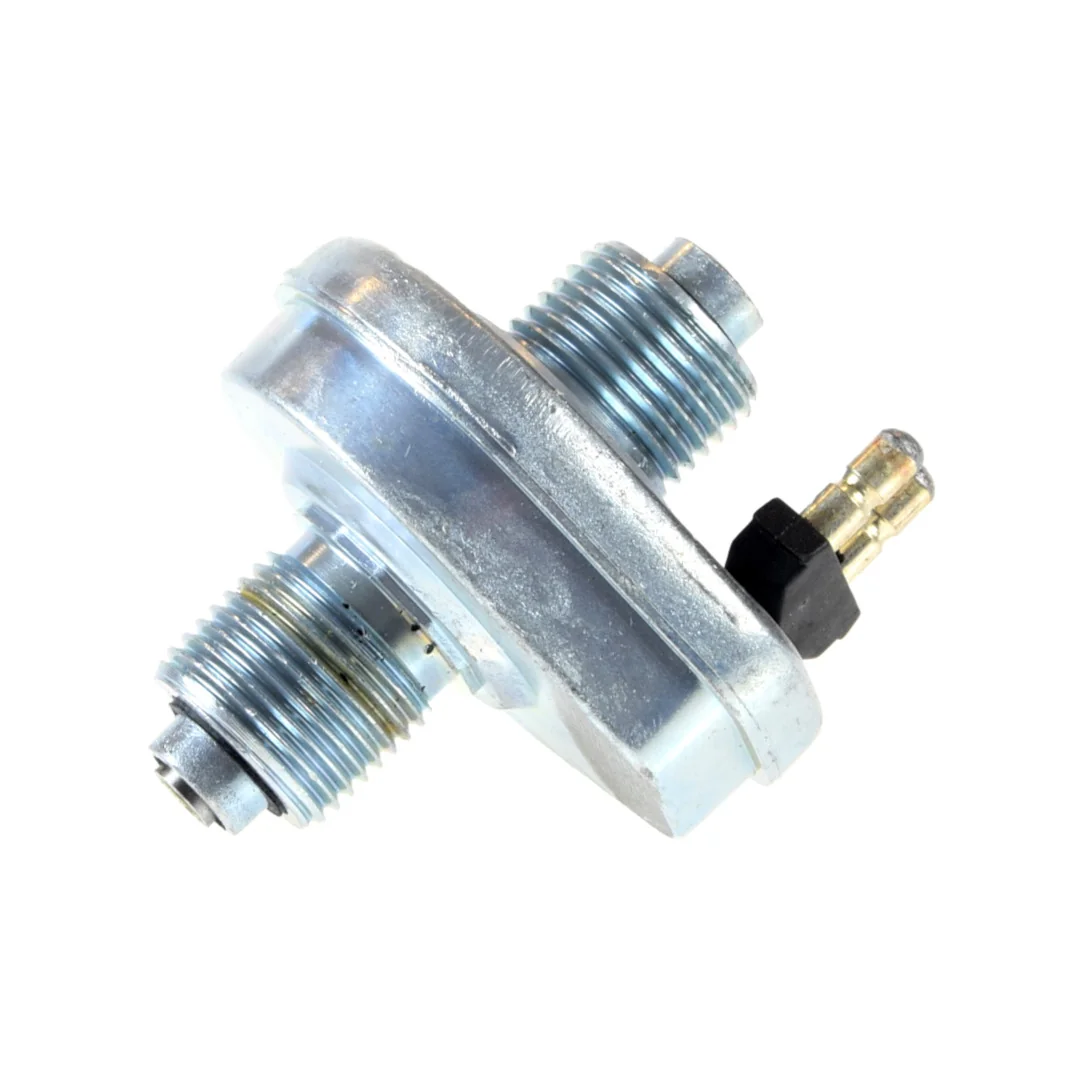
(1,624)
Unplug the sensor and measure the resistance across its two pins. Most inductive sensors read between a few hundred and about 2,500 ohms; an open circuit or a reading near zero means the coil has failed. Then set the meter to AC volts and turn the shaft or crank the engine: a healthy sensor produces a small AC voltage, typically at least 0.2 V at cranking speed, that rises with speed.
An inductive sensor is passive, has two wires and shows a coil resistance when measured with a multimeter. A Hall effect sensor is active, normally has three wires for supply, earth and signal, and shows no meaningful coil resistance. Some active wheel speed sensors use only two wires and signal by changing current, so the wire count alone is not always conclusive.
For most inductive and Hall effect speed sensors the gap between the sensor tip and the tooth or target is between 0.5 and 1.5 mm. Too large a gap weakens the signal, especially at low speed; too small a gap risks contact with the rotating part. Flange-mounted sensors set the gap by their length, while threaded sensors are adjusted and then locked with a nut.
The engine cranks but does not start, cuts out without warning, or stops when hot and restarts after cooling. The rev counter often stays at zero while cranking, because it uses the same signal. An intermittent fault frequently comes from the wiring or connector near the sensor rather than the sensor itself, so both should be inspected.
A gearbox or wheel speed sensor counts revolutions, and the control unit converts them to distance using a stored rolling circumference. Tyres of a different size, or even a large change in pressure or wear, alter that circumference and the displayed speed with it. The remedy is to recalibrate, usually by driving a measured distance such as 100 metres in the calibration routine.
A wheel or gearbox speed sensor measures how fast the wheels are turning, which overstates travel speed whenever the wheels slip. A radar sensor measures true speed over the ground. Comparing the two gives the wheel slip figure used by hitch control and by implements that meter seed, fertiliser or spray according to distance travelled.
Yes. The tip of an inductive or Hall effect sensor is magnetic and collects steel particles from gear or bearing wear, which distort or weaken the signal and can cause an erratic reading or a fault code. Removing and cleaning the tip often restores the signal, but a heavy build-up of particles is also a sign of wear elsewhere that is worth investigating.

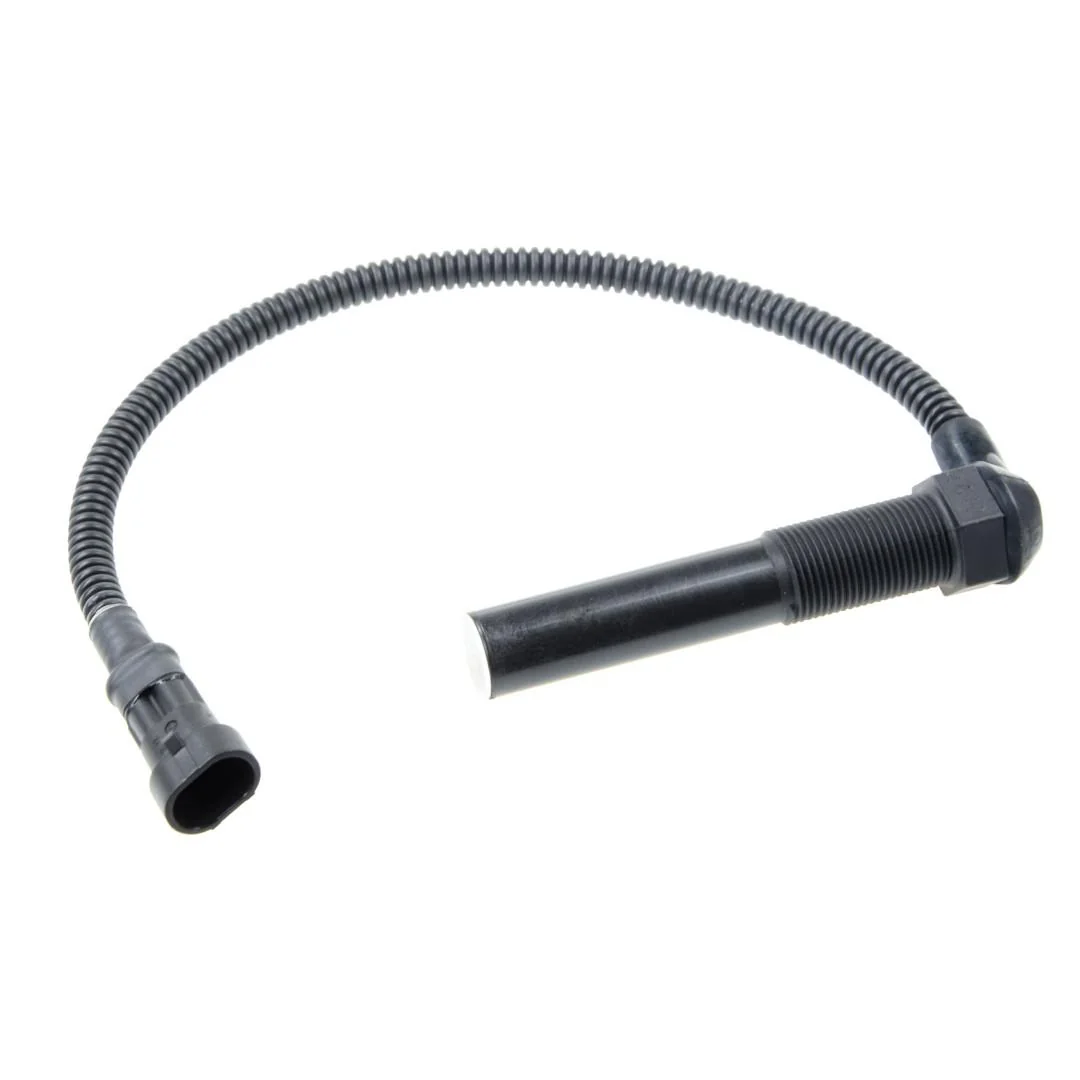
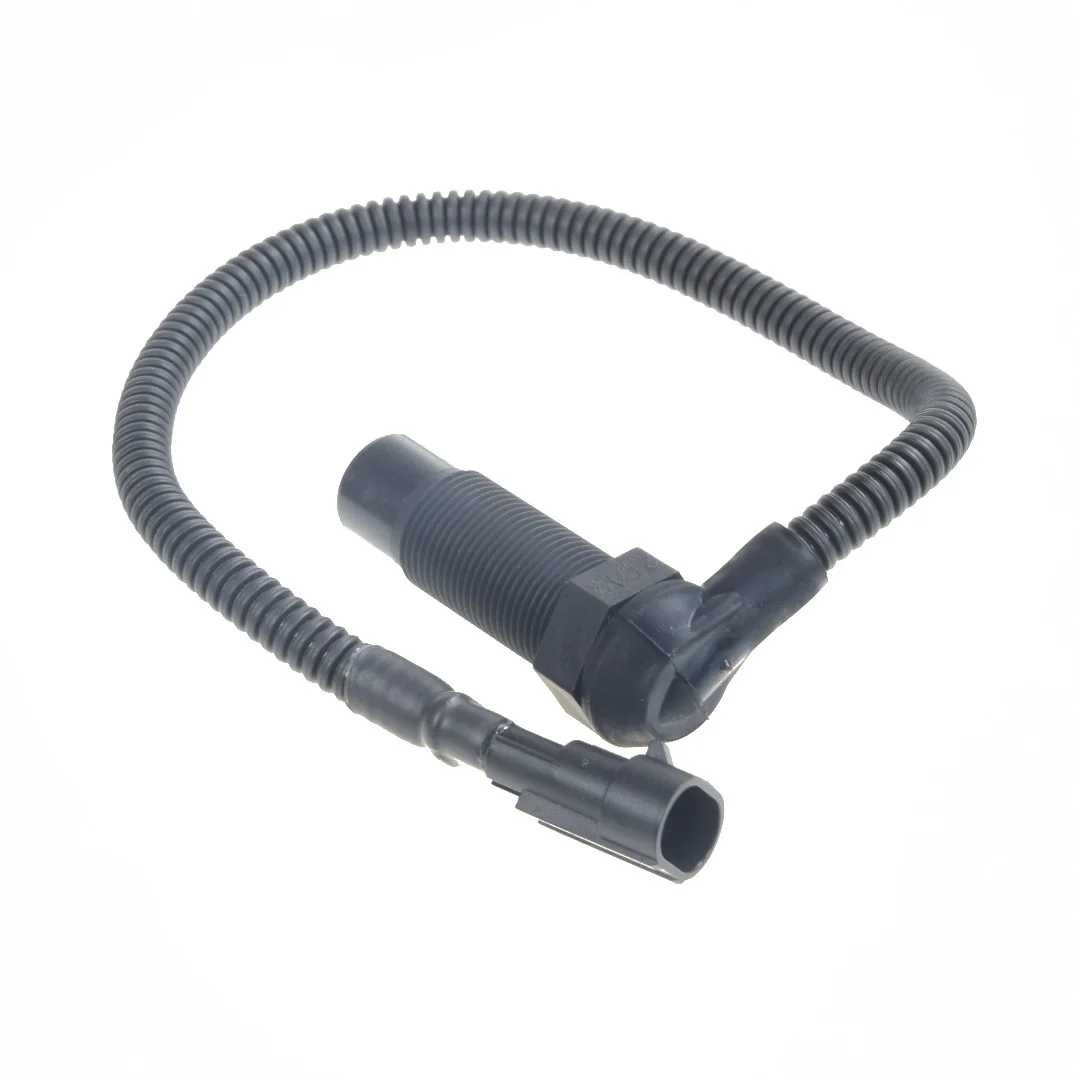
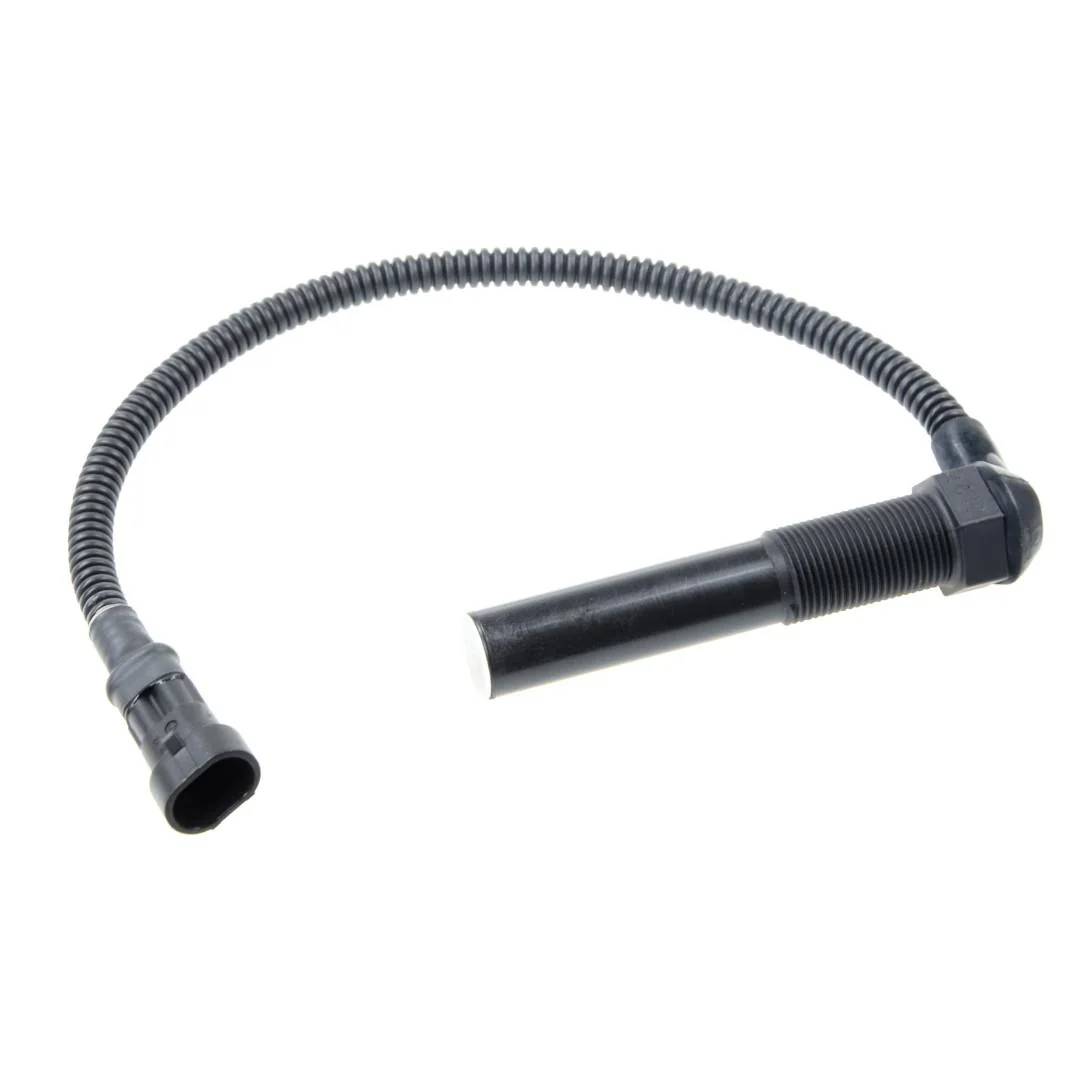
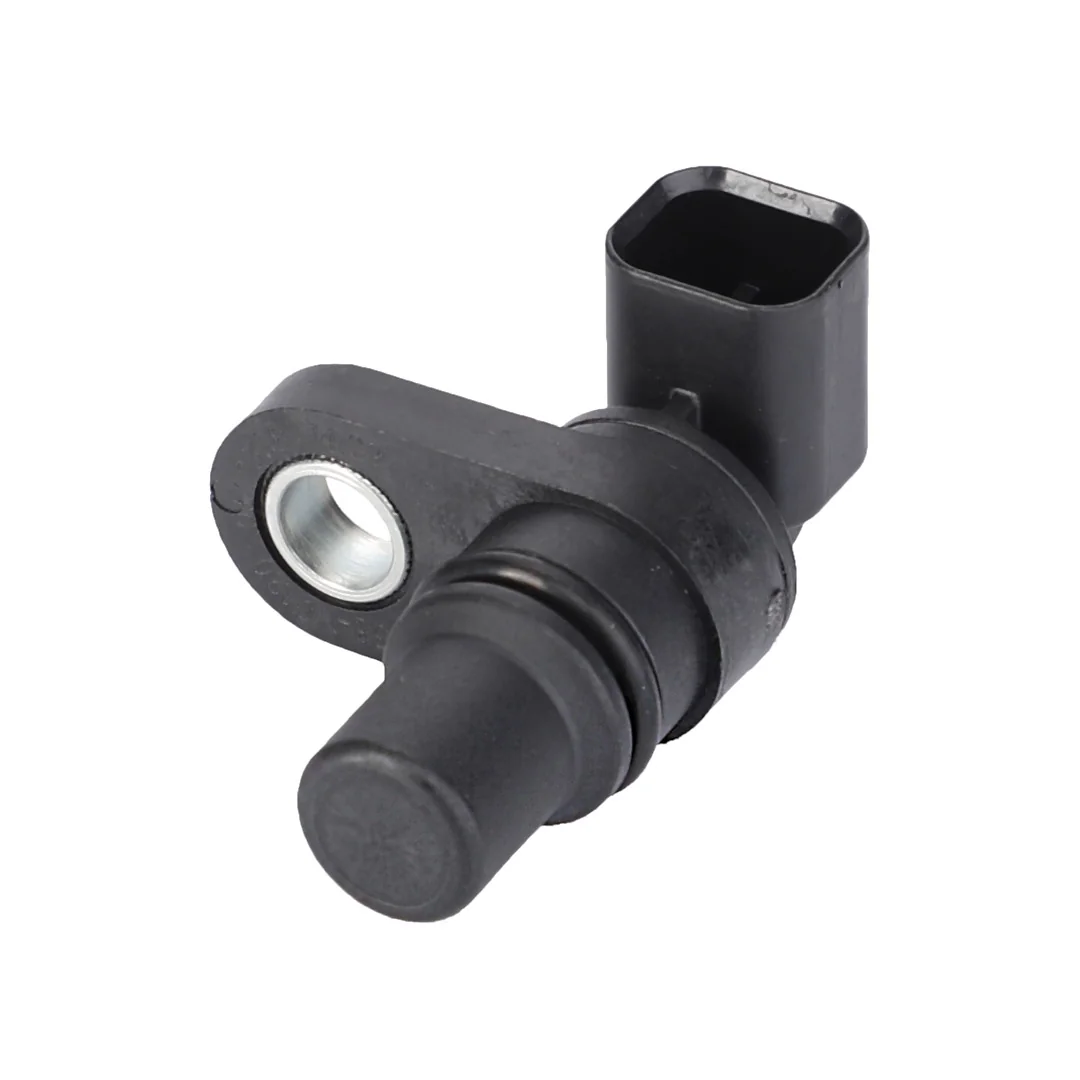
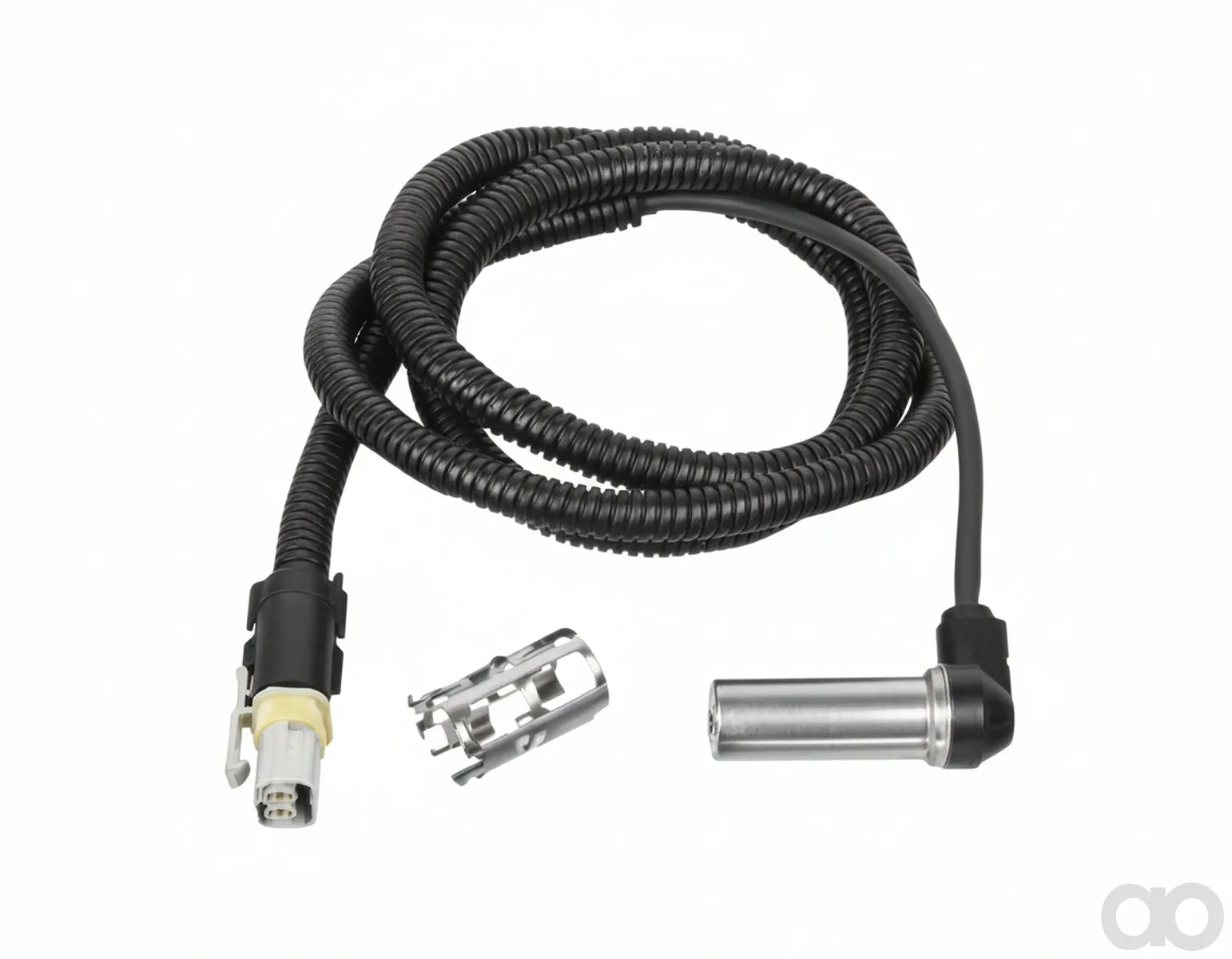
Krukowiak - 467100086 - Speed Sensor 3-A 467100086
Krukowiak
€142.61
Showing 1–48 of 1,624 parts