(4,827)
The usual signs are coolant loss with no external leak, bubbles or pressure in the cooling system shortly after a cold start, white exhaust smoke, oil emulsion under the filler cap, oil in the coolant, or overheating under load. A combustion gas test on the coolant and a cylinder leak-down test confirm it. A compression difference of more than about 10 to 15 percent between adjacent cylinders also points to the gasket.
By measuring piston protrusion. With each piston at top dead centre, a dial gauge measures how far the crown stands above the block face, usually at two points along the gudgeon pin axis. The highest reading across all cylinders is compared with the maker's table, which assigns a gasket grade. Grades typically differ by about 0.1 mm and are marked by one, two or three notches or holes.
No. A head gasket deforms permanently when clamped: the fire rings crush, composite facings compress and the embossed beads of a multi-layer steel gasket lose part of their spring. Once the head has been lifted, even briefly, a new gasket is required.
A common workshop limit is about 0.05 mm of distortion on a short three or four-cylinder head and up to about 0.10 mm along the length of a six-cylinder head, checked with a straight edge and feeler gauges lengthwise, crosswise and diagonally. Multi-layer steel gaskets also need a fine surface finish, generally around Ra 0.8 micrometres or smoother, while composite gaskets tolerate a coarser finish.
Most modern head gaskets used with torque-to-yield bolts are fitted once, tightened in the specified stages and angles, and need no re-torque. Some older engines with composite gaskets and conventional bolts do specify a re-torque after the first warm-up or after a set number of running hours. The gasket instructions or engine manual state which applies; an angle-tightened bolt should never be re-torqued by feel.
No. Head gaskets are fitted dry onto clean, degreased faces. Modern gaskets carry their own elastomer or silicone coatings, and added sealant or grease interferes with them, can block oil and coolant passages and alters the clamped thickness. The only preparation is cleaning the faces, clearing the bolt holes of oil and coolant and checking the locating dowels.
The common causes are a head or block face that is out of flat, bolt holes left full of oil or coolant so the bolts hydraulically lock before reaching clamp load, reused stretch bolts, the wrong tightening sequence, and incorrect cylinder liner protrusion on wet-liner engines. An unresolved cooling fault such as a failed thermostat or blocked radiator will also overheat the engine and take out the new gasket.

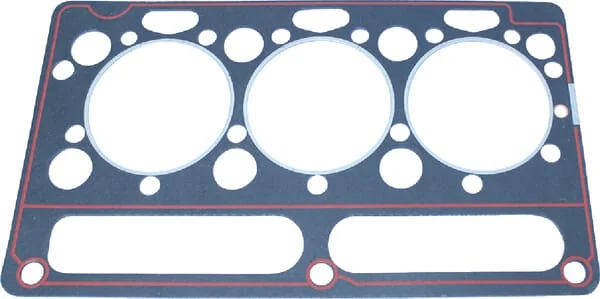
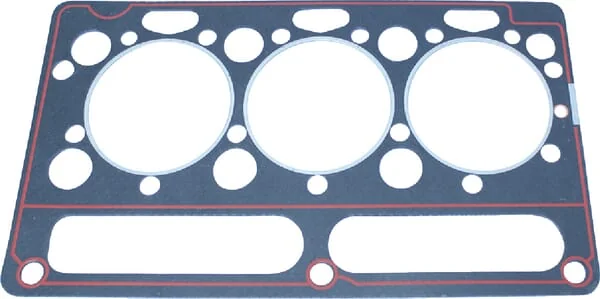
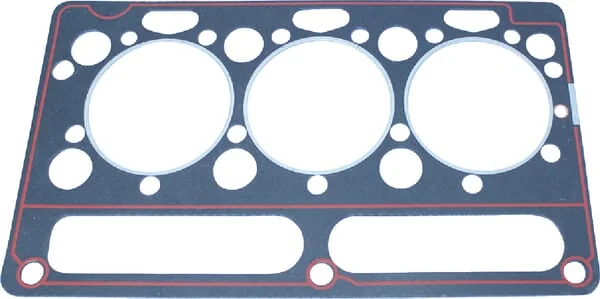
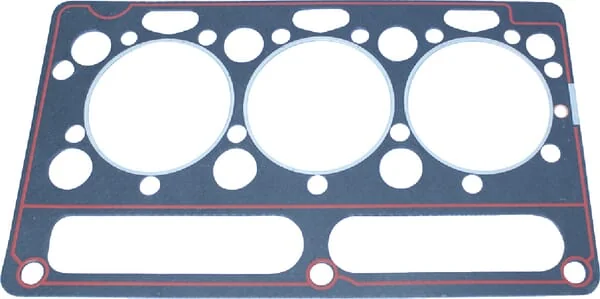
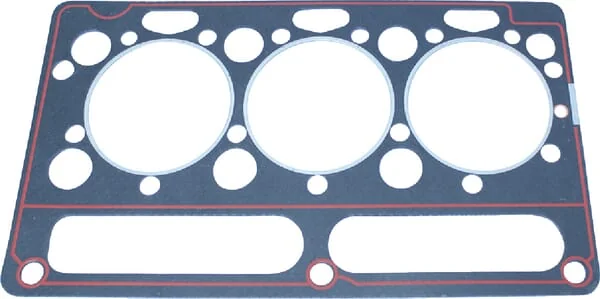
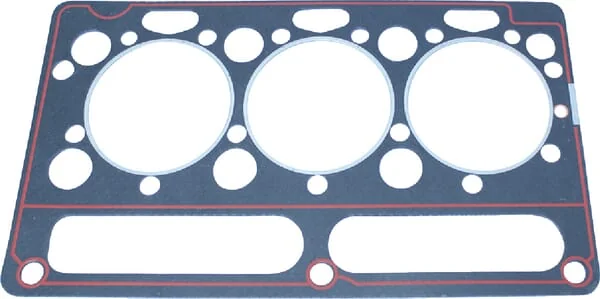
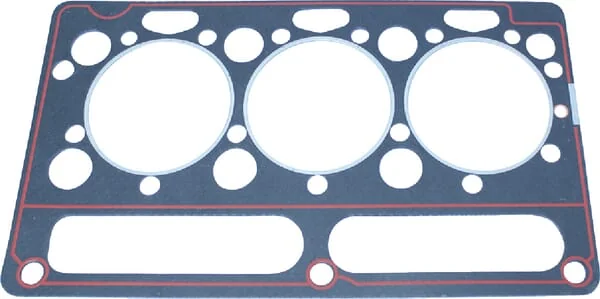
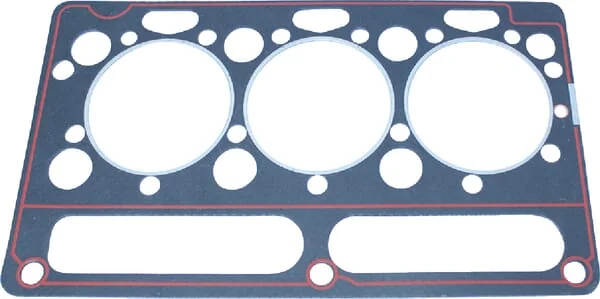
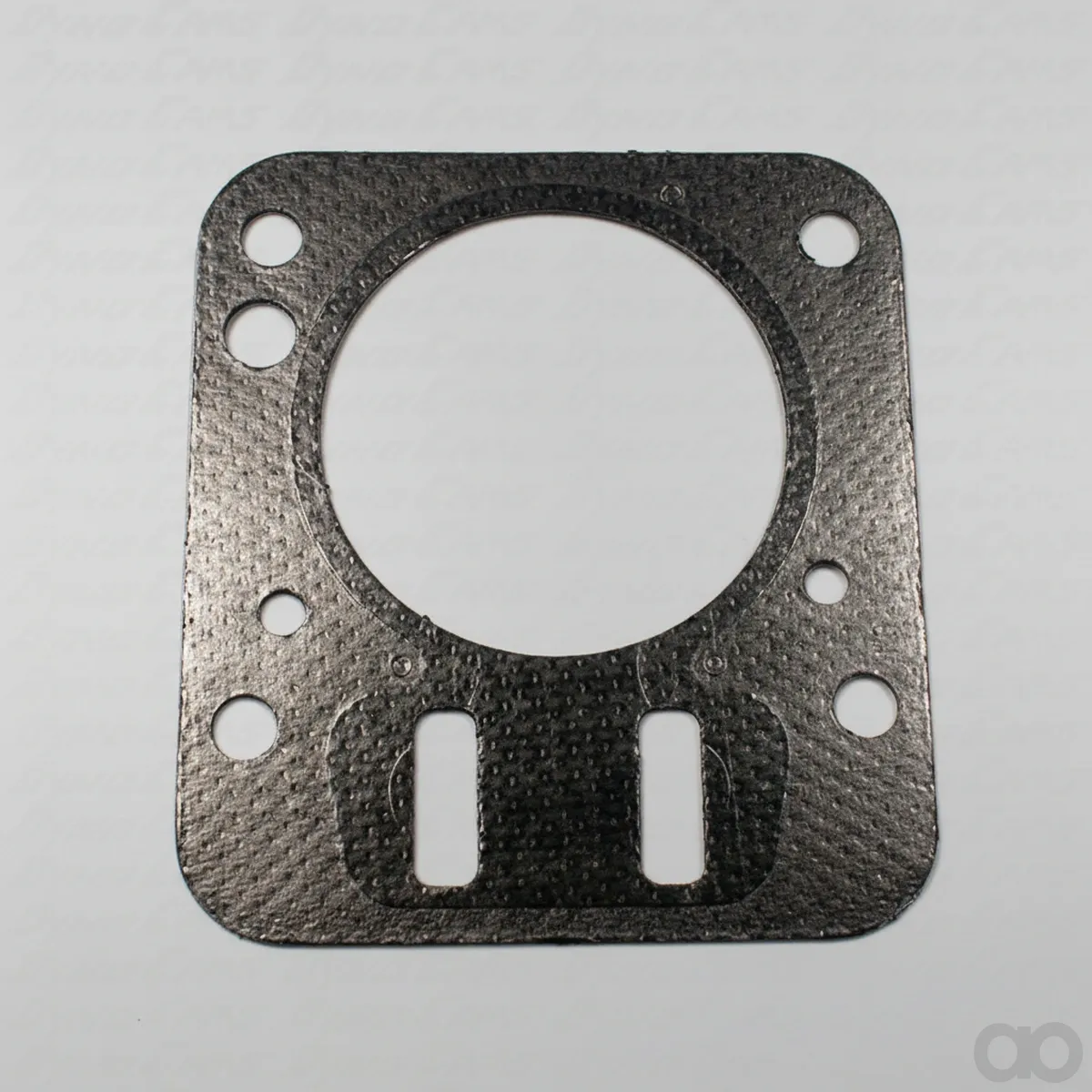
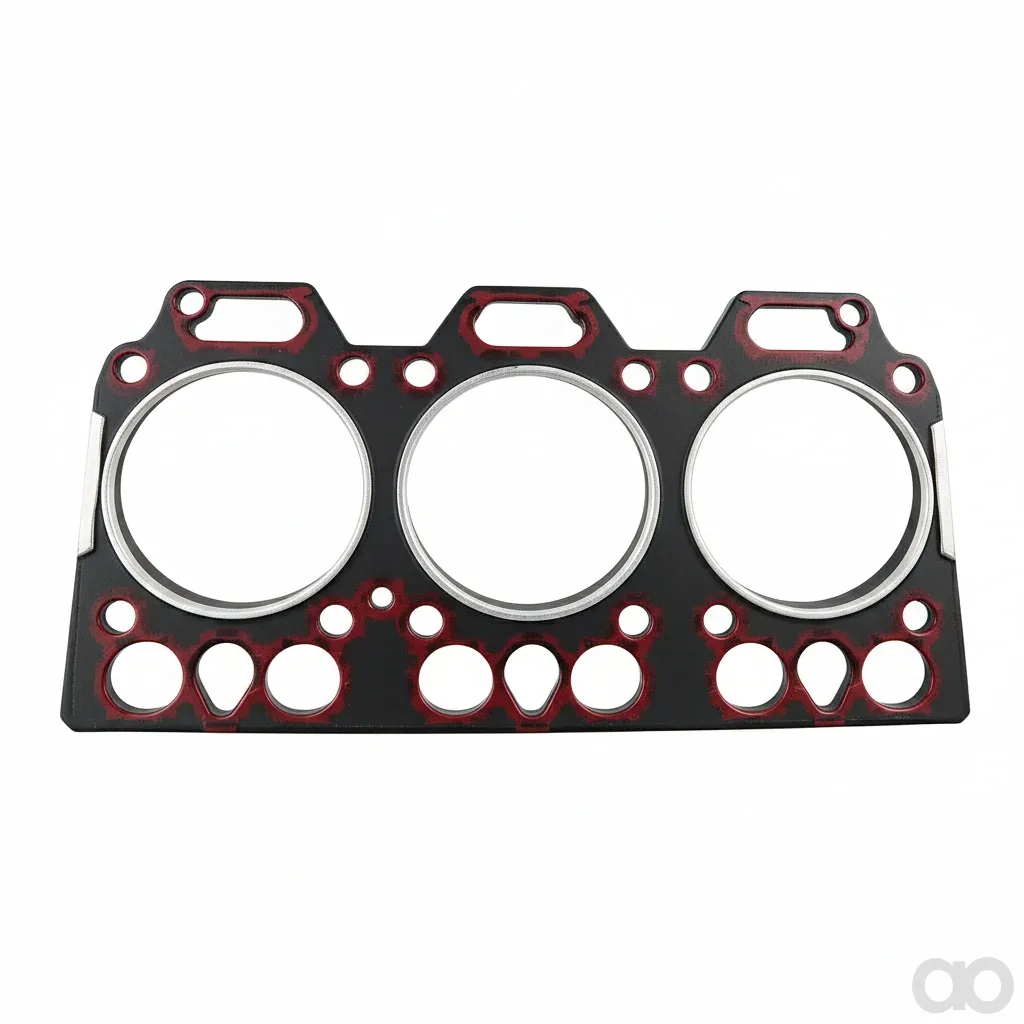
Engitech - ENT010164 - Massey Ferguson Cylinder Head Gasket
Engitech
€26.87
Showing 1–48 of 4,827 parts