(1,852)
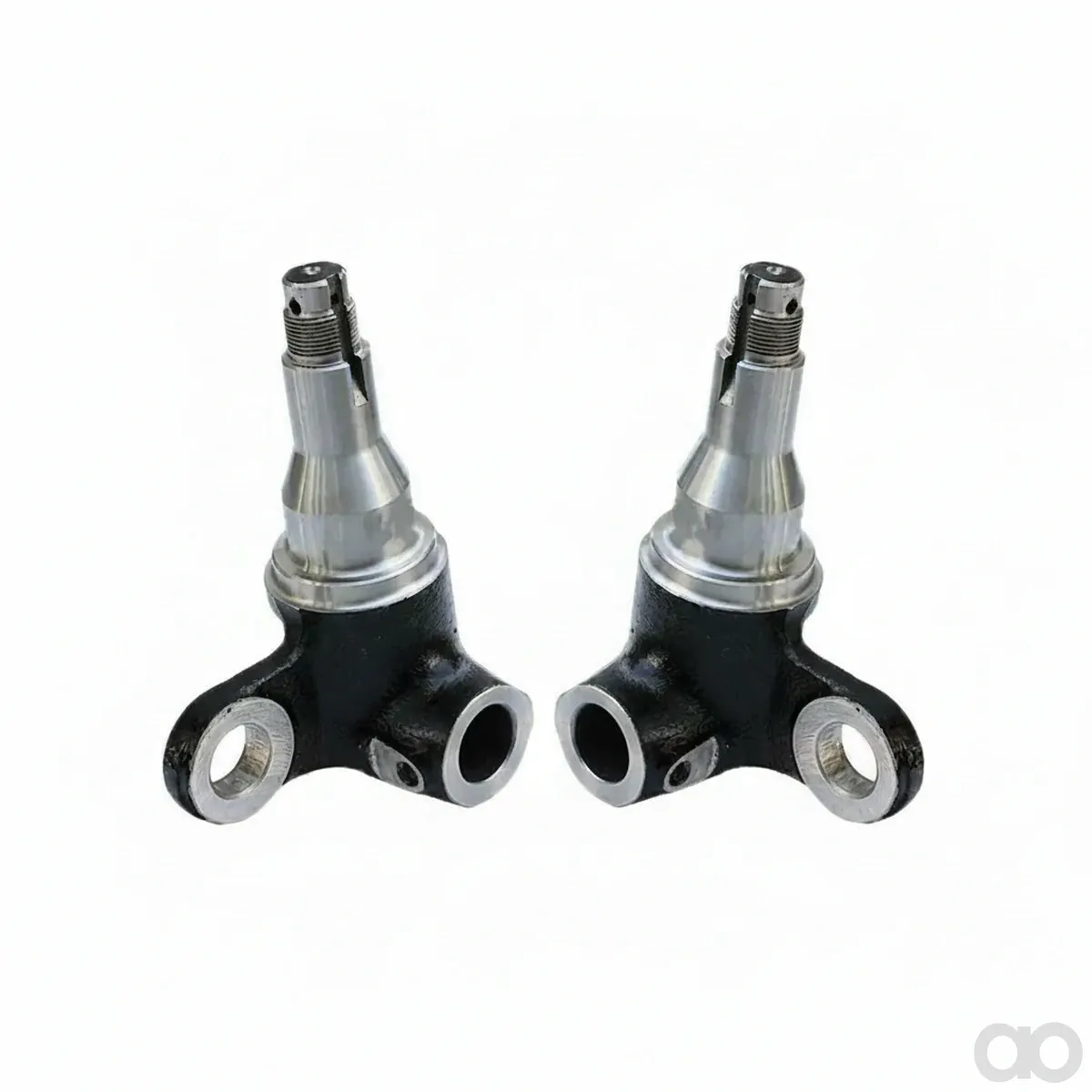
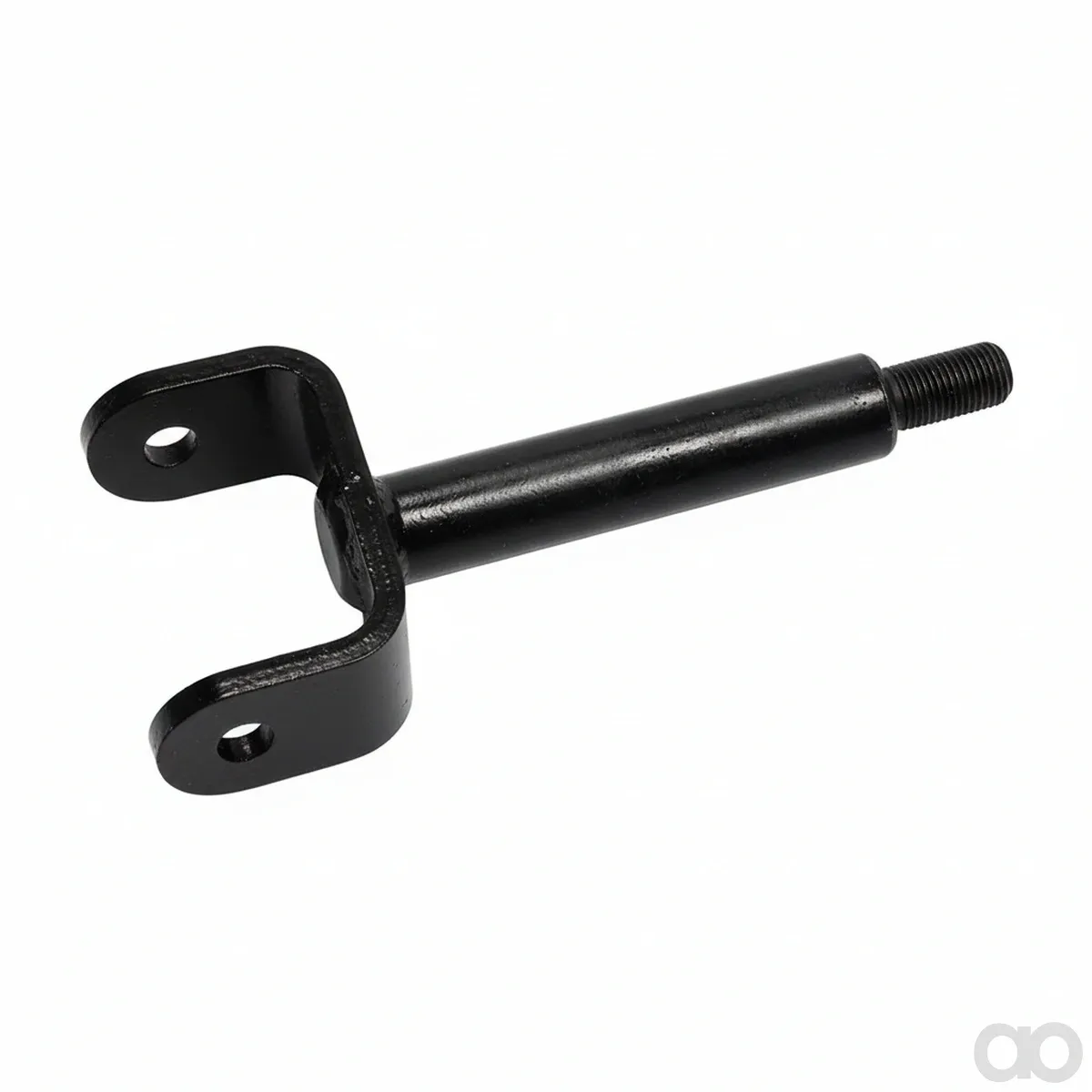
Jack the front wheel clear of the ground, grip the tyre at top and bottom and rock it in and out while watching the pin and the axle eye. Movement at the pin, rather than in the wheel bearing, is kingpin wear. Movement you can both see and feel at the pin is enough to justify new pins and bushes; where the machine manual publishes a limit, measure against that.
Kingpins with grease nipples are among the most frequently lubricated points on a machine: every 10 hours or daily in heavy or wet work, and at least every 50 hours otherwise. Grease with the weight off the wheel where possible, so that lubricant reaches the loaded side of the bush and the thrust bearing instead of escaping from the unloaded side.
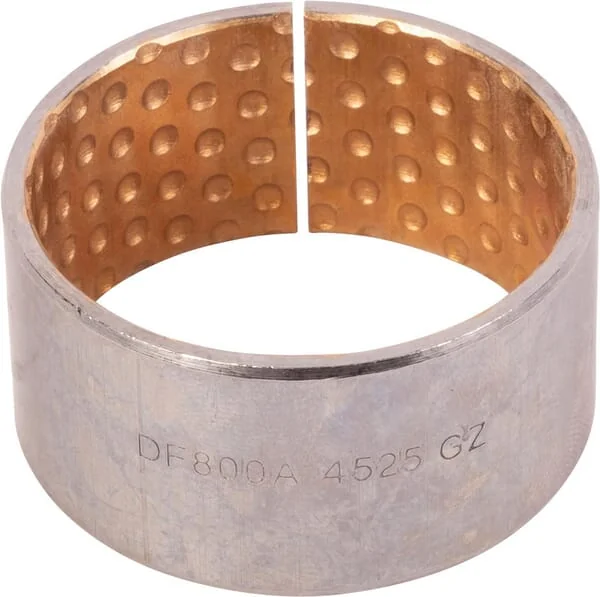
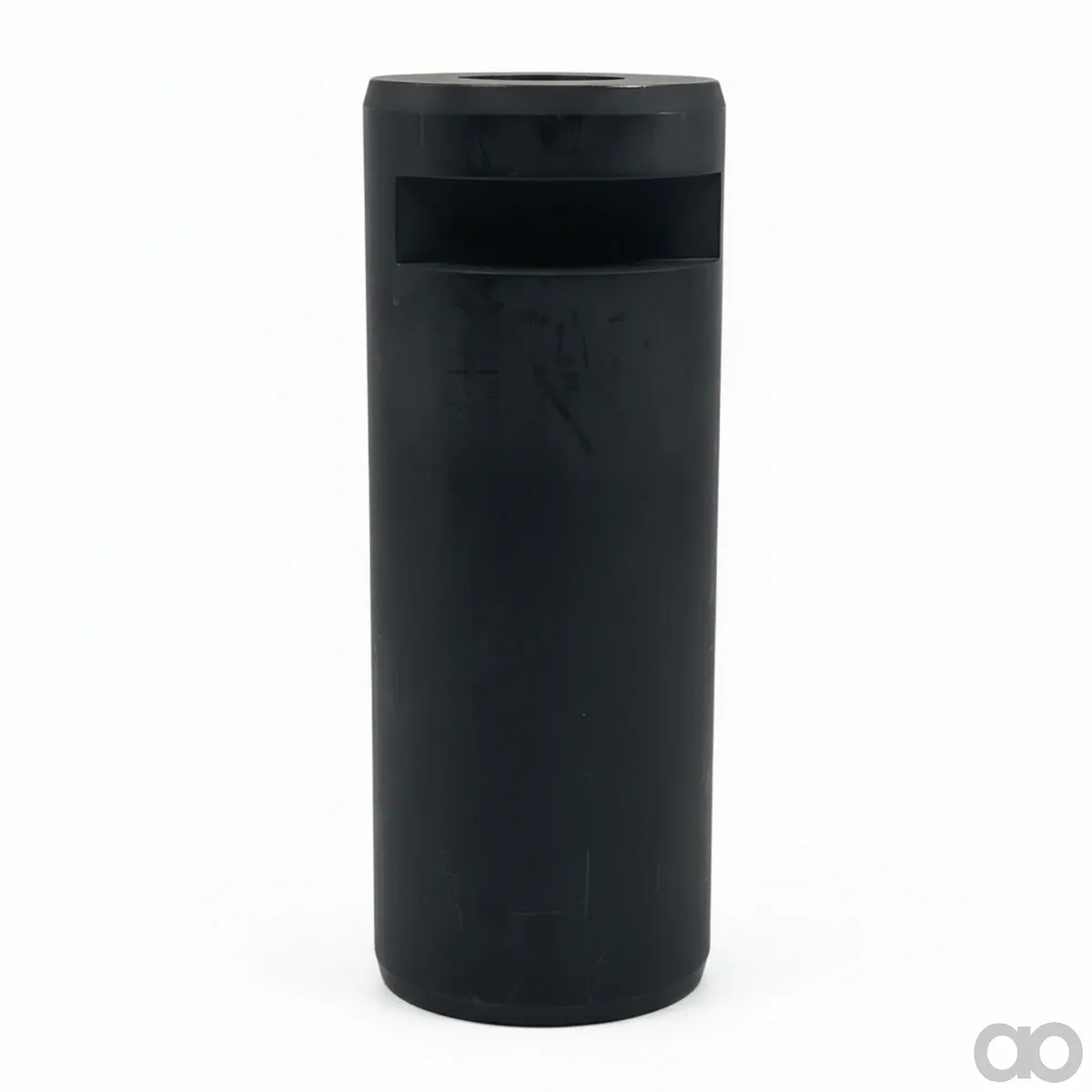
In most cases yes. Bronze and steel-backed bushes close up slightly when pressed into the axle eye, so they are reamed or honed in line after fitting to give the pin a free running fit without play. Both bushes must be reamed in one pass with a piloted reamer so that they share a common axis. Some kits supply pre-finished bushes that need no machining.
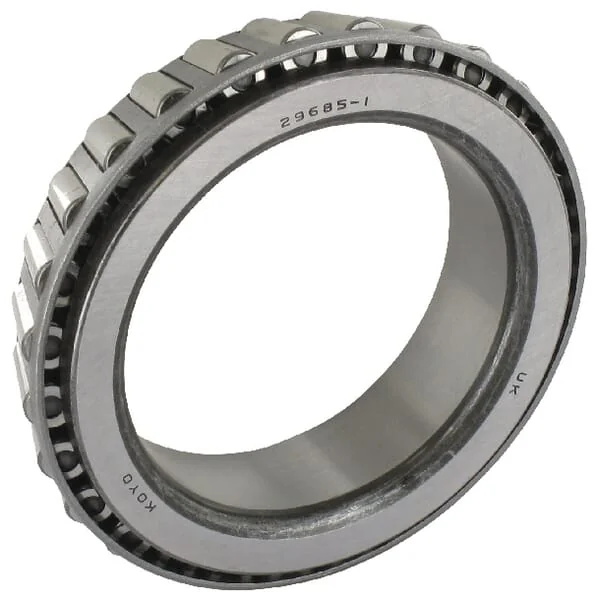
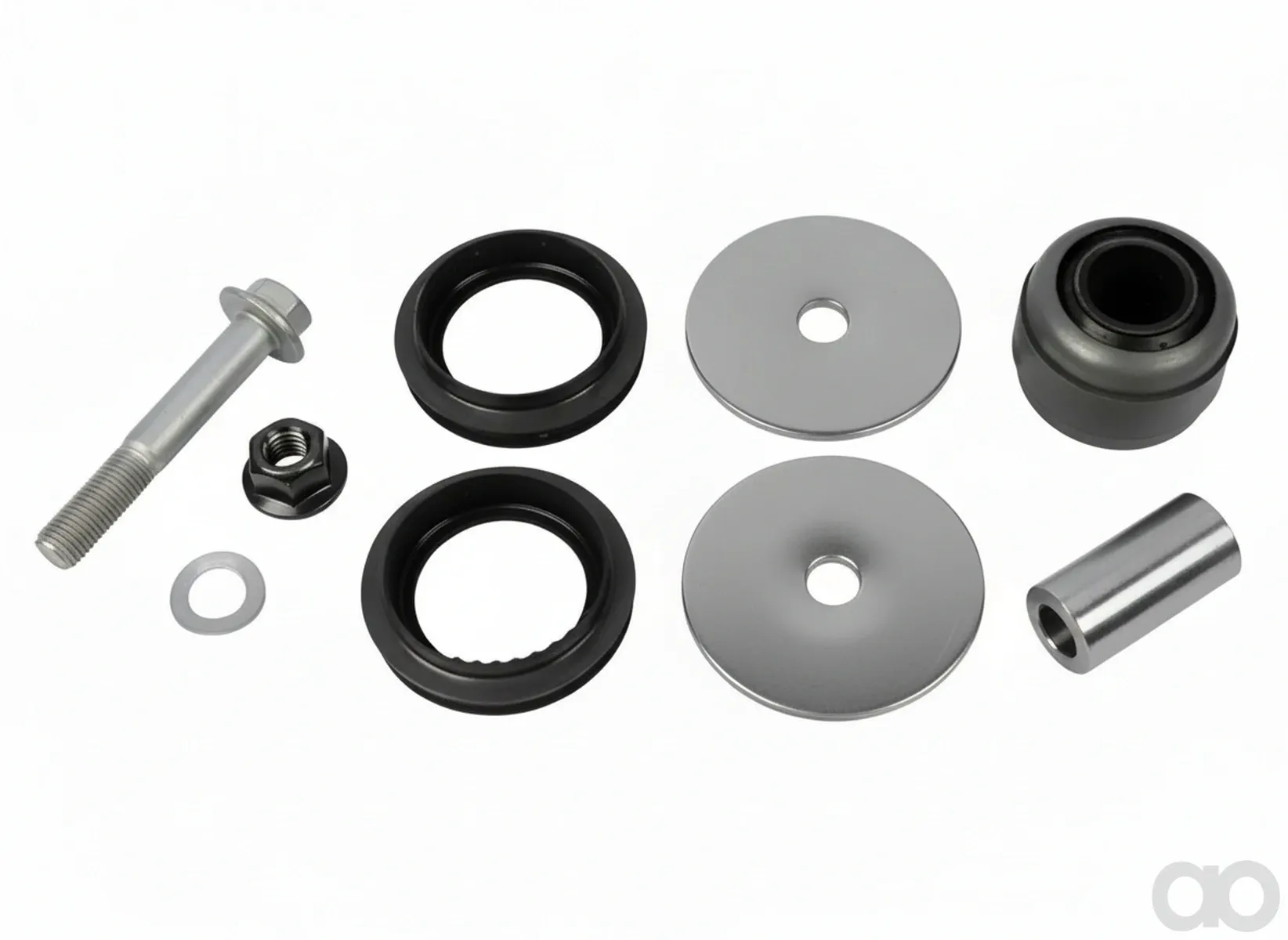
The thrust bearing sits between the stub axle and the axle beam and carries the vertical weight on that wheel while allowing it to swivel. When it fails, the steering turns heavy and may not self-centre, even though the pin and bushes have no side play. It is replaced as part of a kingpin overhaul, with shims used to take up the remaining vertical clearance.
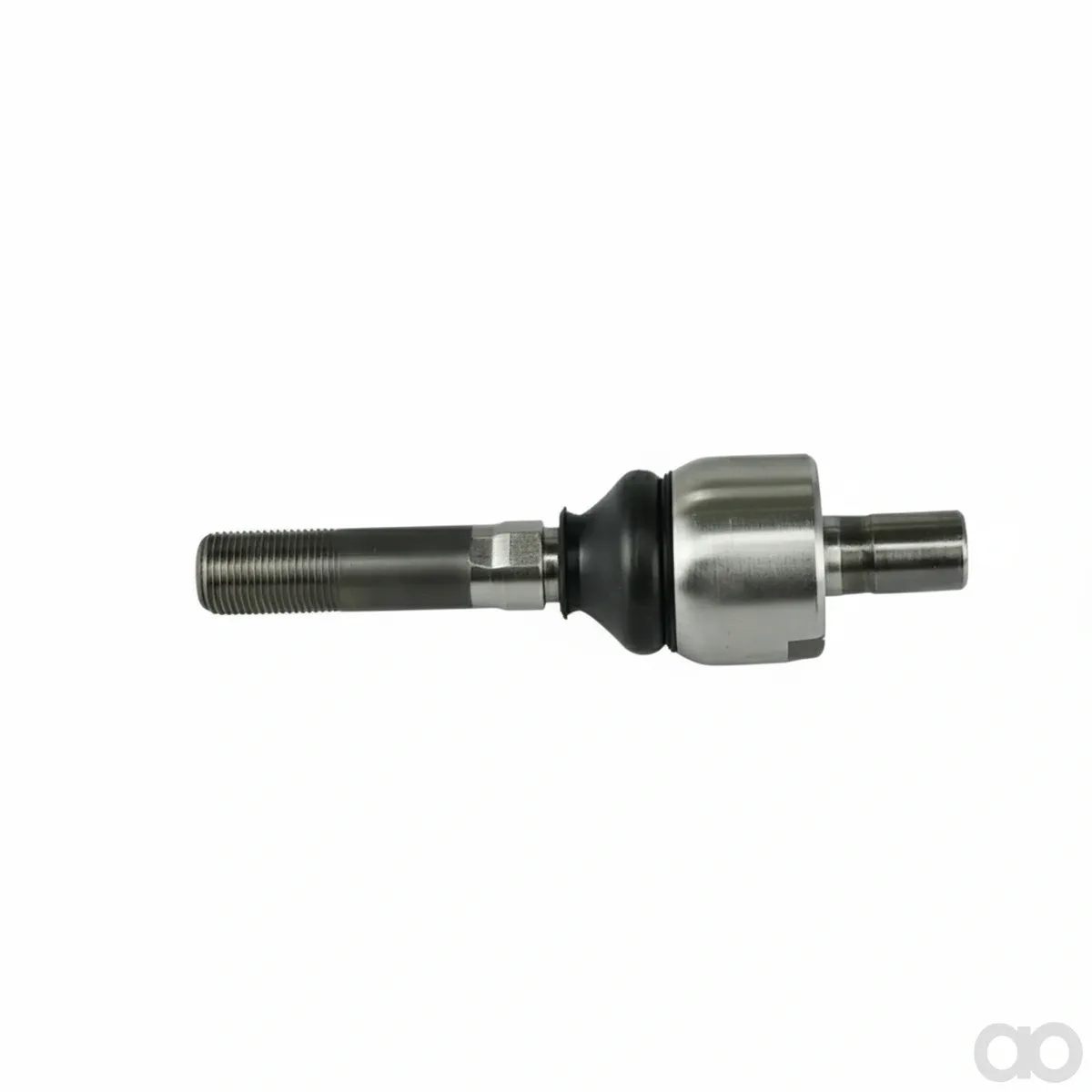
Yes. Play in the kingpins lets the wheel change its camber and steering angle freely, and at certain road speeds this develops into a side-to-side oscillation of the front wheels. Worn track rod ends, loose wheel bearings and out-of-balance or unevenly ballasted tyres cause the same symptom, so all four should be checked before parts are ordered.
Pins seize through corrosion where grease has not reached, most often in the stub axle or beam eye where the pin is locked. Remove the locking bolt or cotter completely, soak the pin with penetrating oil, apply heat to the eye rather than the pin, and press or drive the pin out with a drift slightly smaller than its diameter. A hydraulic press or pin pusher avoids mushrooming the end.
Showing 1–48 of 1,852 parts