(3,705)
Suspend the thermostat in a pan of water with a thermometer, without letting either touch the bottom, and heat it. The valve should begin to open within about 2 °C of the stamped rating and be fully open, with roughly 8 mm or more of lift, some 12 to 15 °C above it. It must close completely again as the water cools.
The engine takes a long time to warm up, the gauge sits low or drops on light work and downhill runs, and the cab heater blows lukewarm. Fuel consumption rises and the oil collects condensation and fuel dilution because it never reaches full temperature. On engines with exhaust aftertreatment, regeneration may be delayed or fail.
Temperature climbs quickly within minutes of loading the engine, the top radiator hose stays noticeably cooler than the engine outlet, and coolant may be pushed out of the overflow. The engine should be shut down promptly, since continued running risks head gasket failure and a cracked cylinder head.
It will run, but it should not be left that way. Without a thermostat the engine overcools on light load, which increases bore wear and fuel use. On engines designed for a bypass thermostat, removing it leaves the bypass port open, so much of the coolant skips the radiator and the engine can overheat under load.
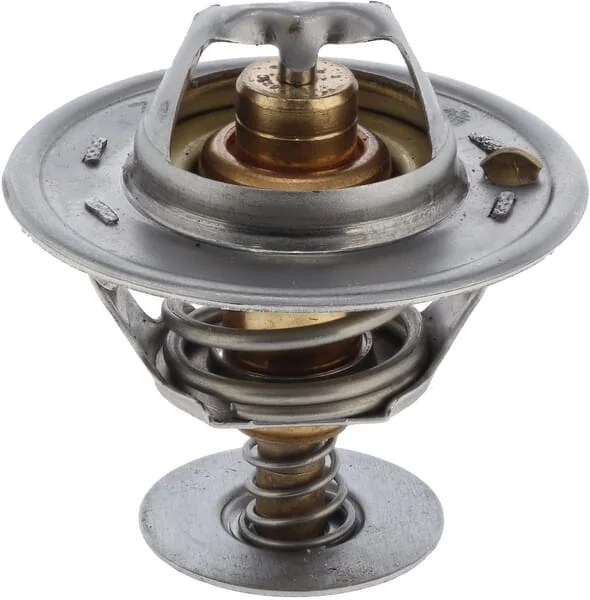
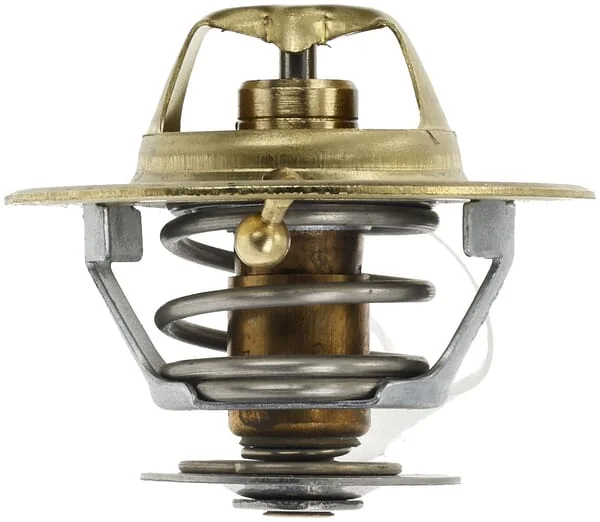
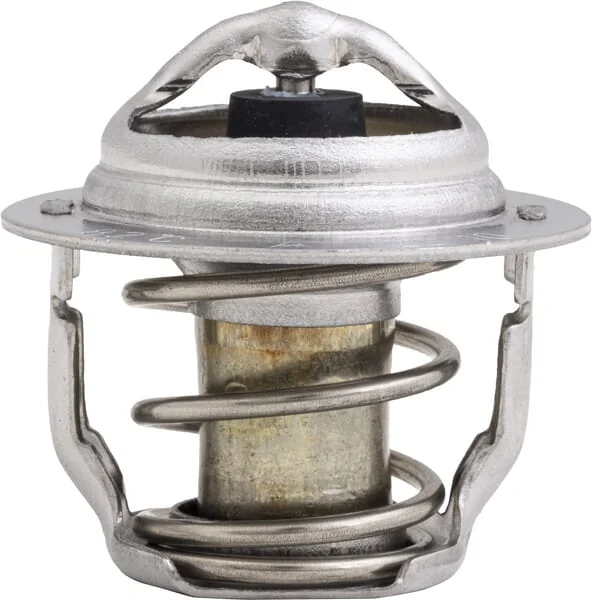
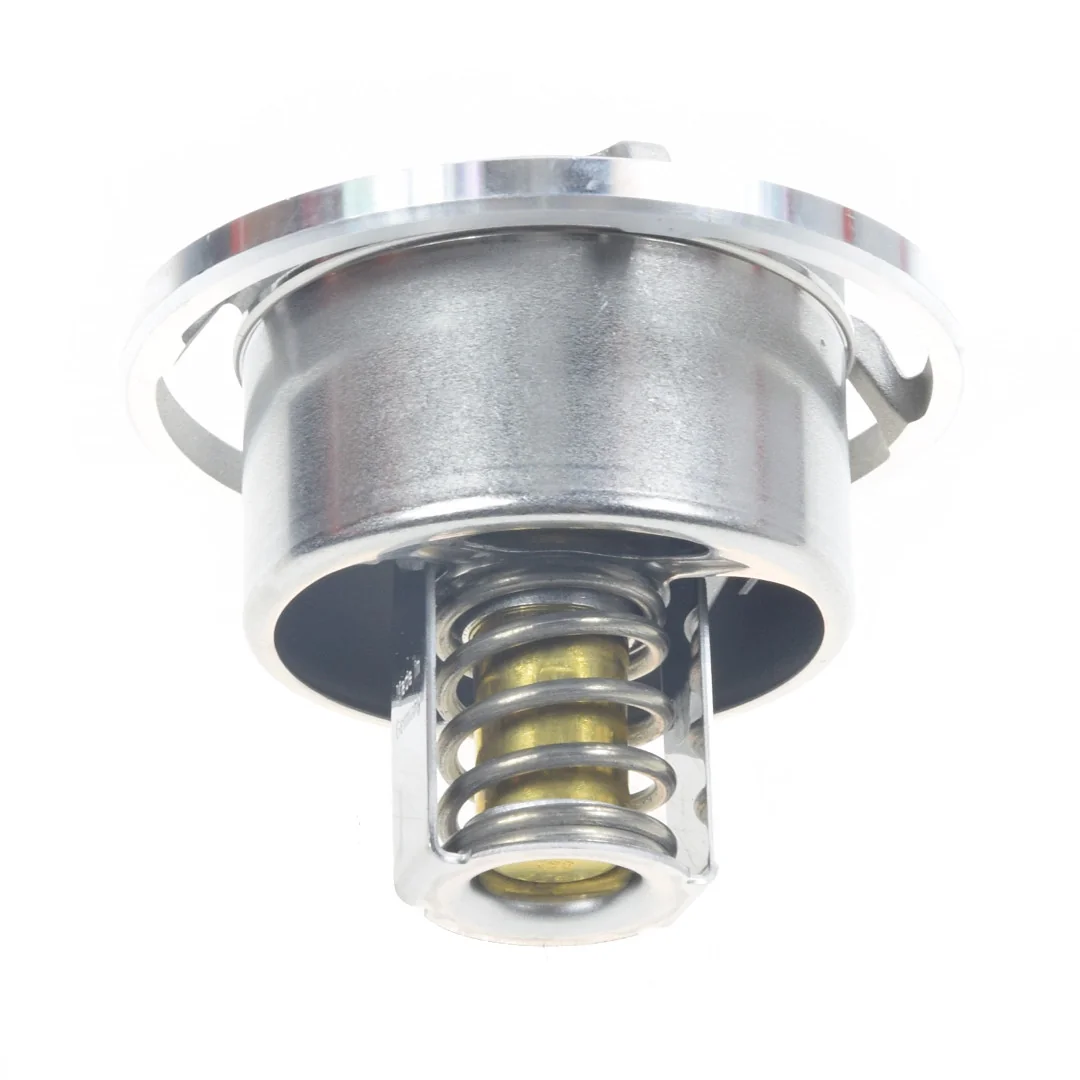
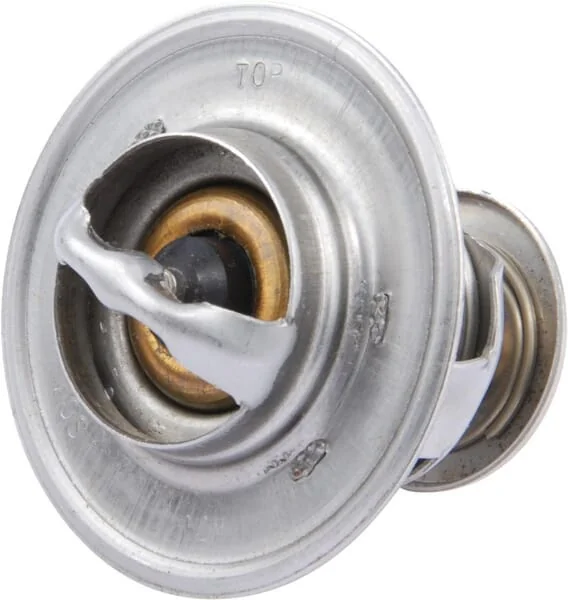
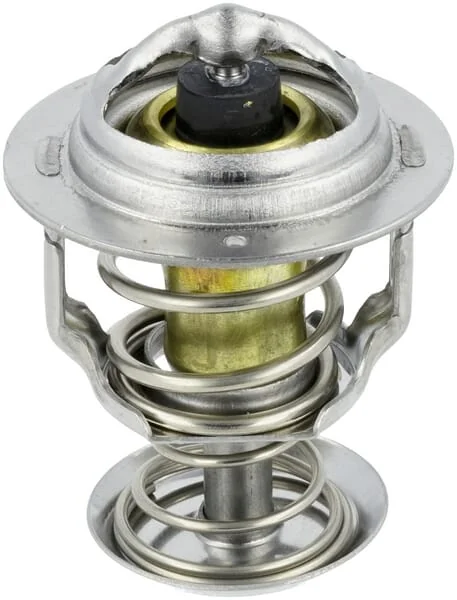
The wax pellet and spring face the engine, so the sensing element sits in the hot coolant leaving the cylinder head, and the bridge or frame faces the radiator hose. A jiggle pin or bleed notch is positioned at the highest point so trapped air can escape during filling.
It is good practice. The system is already drained, the thermostat is a low-cost part, and a unit that has been through an overheating episode or several years of service may no longer open fully. Fit a new seal or gasket at the same time and refill with fresh coolant of the correct type.

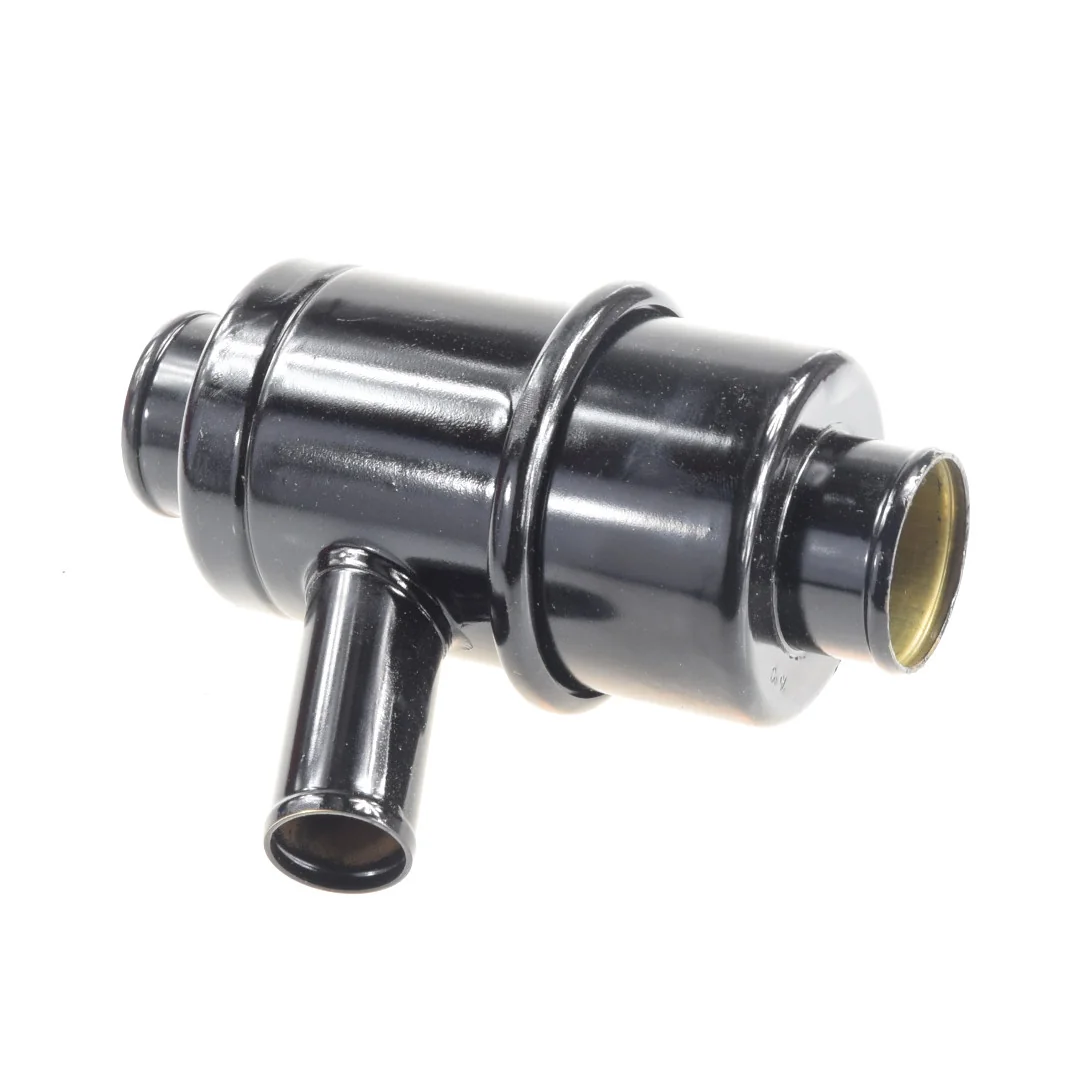
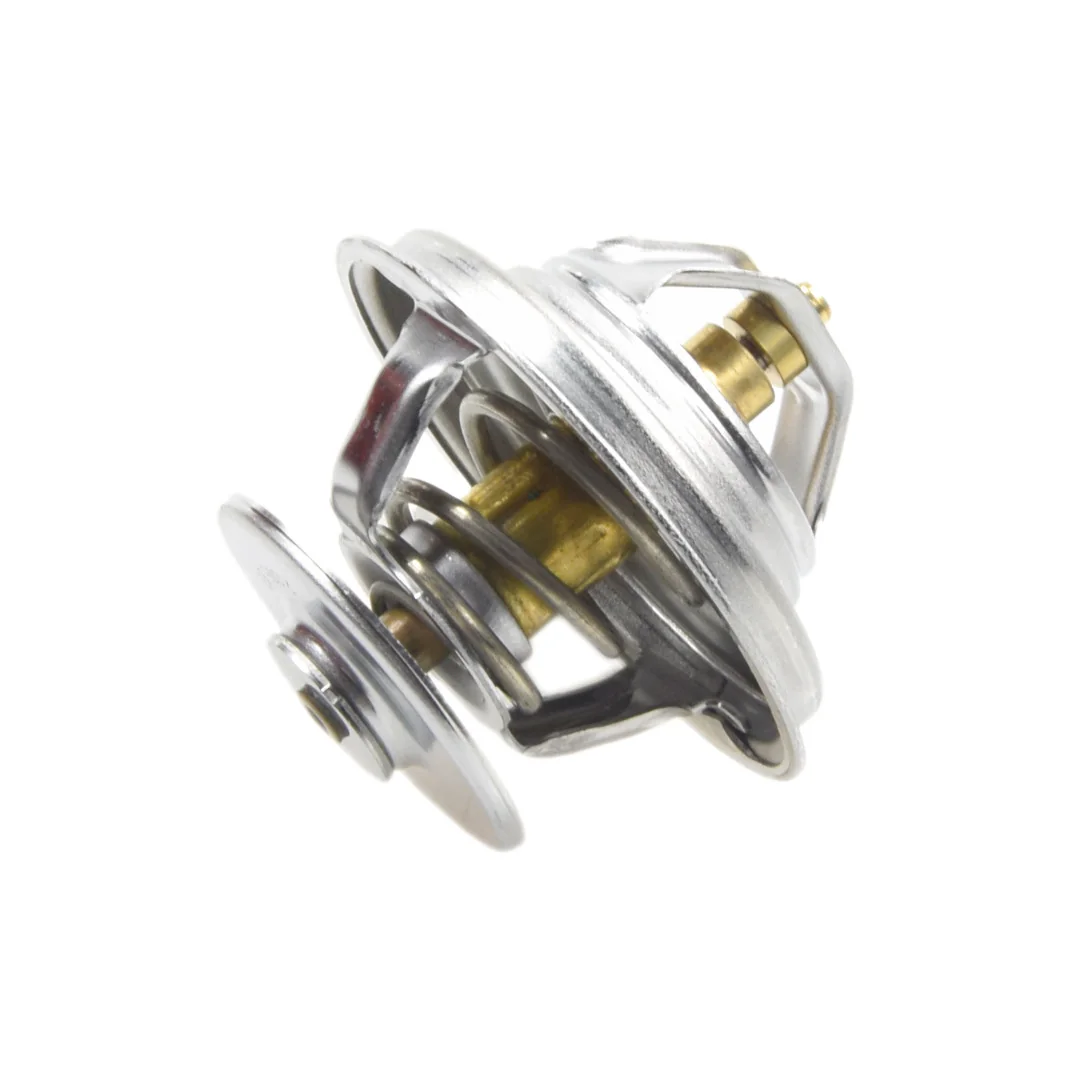
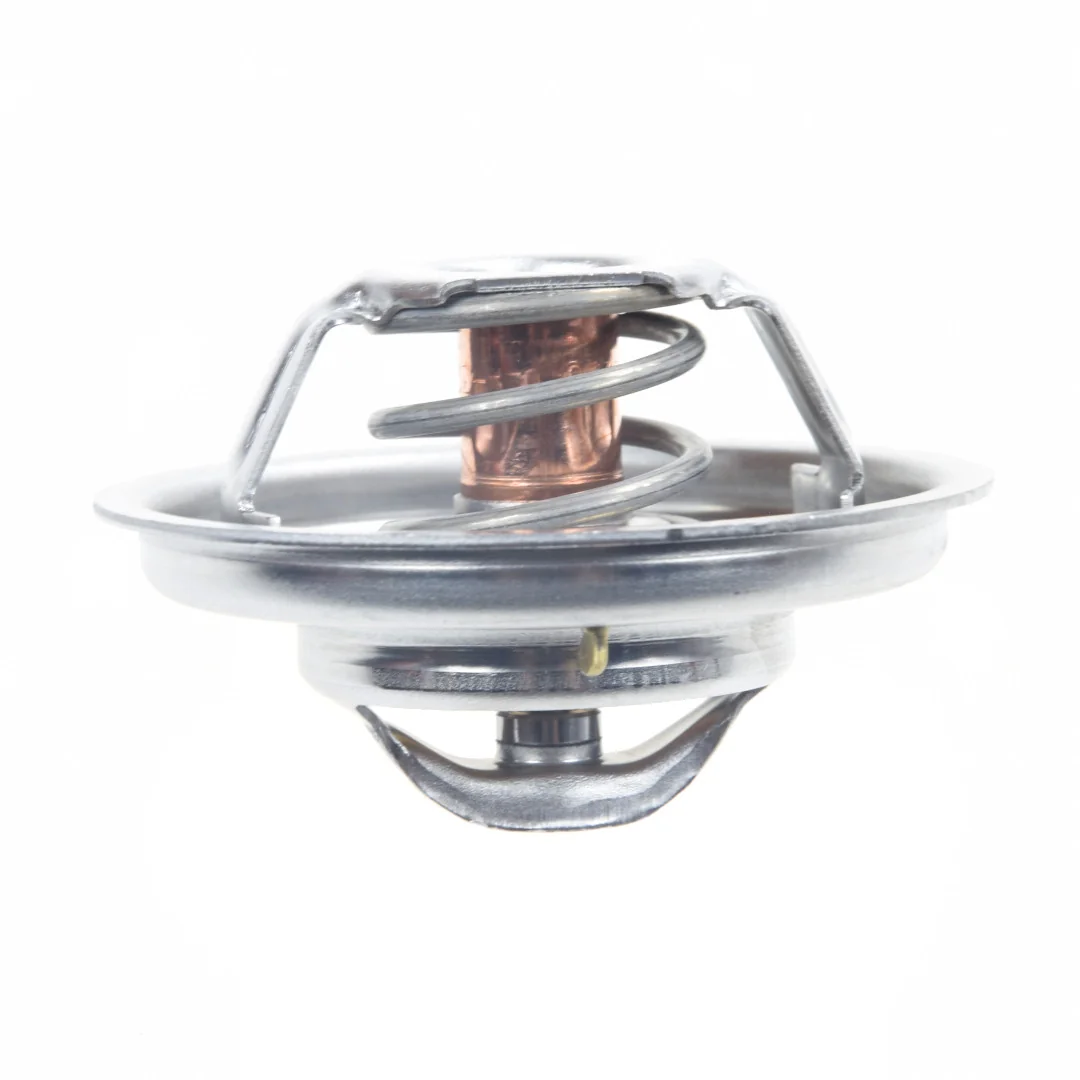
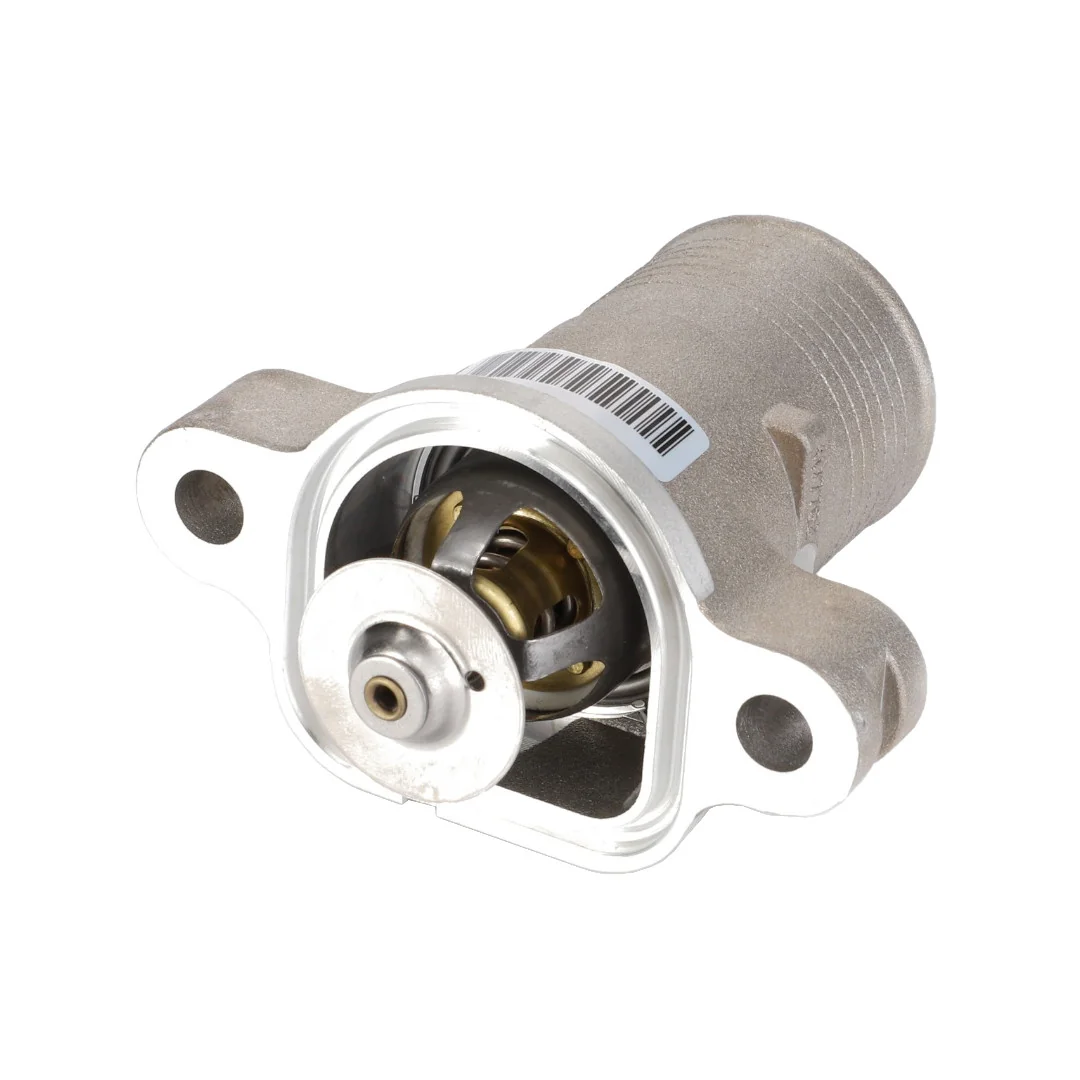
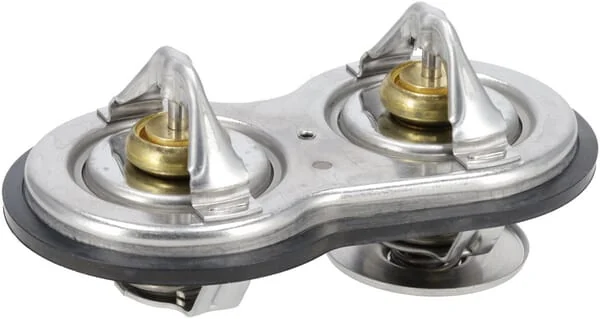
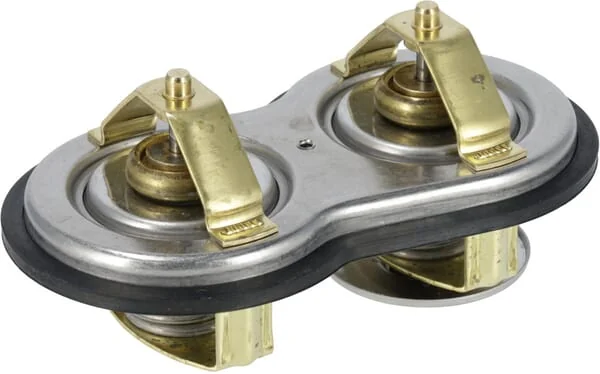
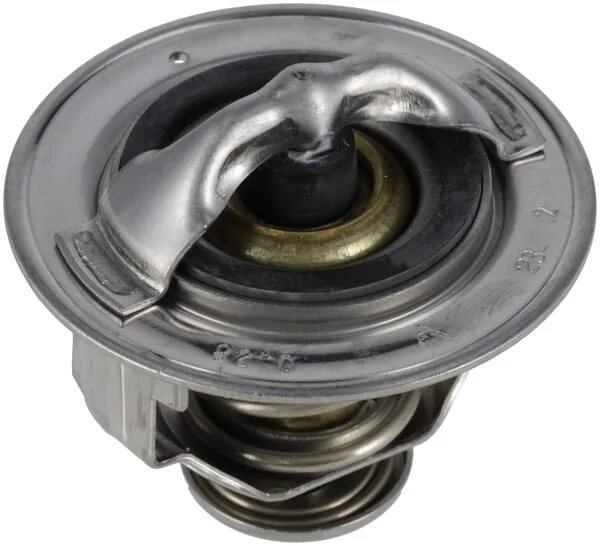
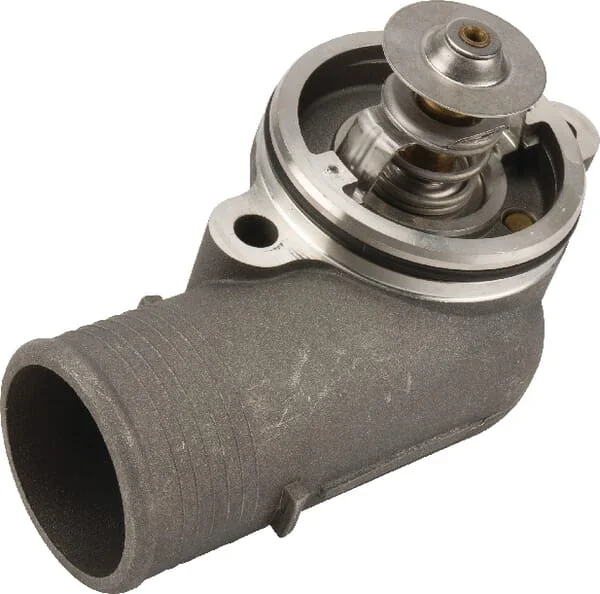
Granit - 74706065 - Fendt Water Thermostat
Granit
€18.68
Showing 1–48 of 3,705 parts